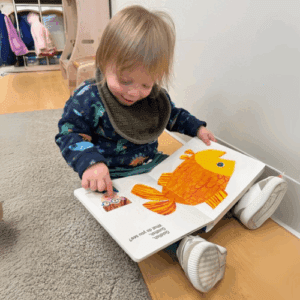

Choosing an infant daycare is about more than finding a place for your baby while you work; it’s about choosing your first partners in parenting. Understanding how to choose daycare for an infant means finding a team that will support your child’s growth and celebrate their milestones right alongside you. This partnership is built on trust, open communication, and shared values. It’s about knowing what to look for in infant daycare—caregivers who respect your family’s routines and are eager to create a seamless, loving circle of care. Let’s find a program that doesn’t just watch your baby, but welcomes you as an essential part of their community.
Infant Daycare Essentials (Quick Checks Before You Enroll)
Choosing infant daycare isn’t just about location and cost—infant rooms should follow strict safety routines and support healthy development. Use these quick checks when touring and asking questions.
-
Ask about safe sleep (and what they do NOT use): Confirm babies sleep on a firm, flat surface with an empty crib, and ask whether the center avoids loungers/positioners for sleep.
-
Ask how they limit “container” time: Swings, bouncers, and activity saucers should be used sparingly—look for supervised floor time and movement practice.
-
Confirm communication goes beyond basic logs: Ask if you’ll receive photos/videos and notes on milestones or meaningful moments—not only diaper/nap updates.
-
Confirm feeding + milk handling practices: Ask how they prepare bottles, store breast milk/formula, and follow your feeding instructions.
Key Takeaways
- Focus on the fundamentals of quality care: A great infant program combines three key elements: strict health and safety protocols, warm and highly qualified educators, and a space designed to encourage your baby’s natural curiosity.
- Do your homework and trust your gut: Your search should include checking for state licensing and accreditations like NAEYC, but the most important step is touring the center to observe interactions, ask direct questions, and see if the environment feels right for your family.
- View your daycare as a partner: The best childcare experiences are built on open communication and trust. Start building this relationship during your search by asking about their communication style and be prepared to share your baby’s routines to ensure a smooth transition.
What to Look For in an Infant Daycare
When you start looking for infant care, the word “quality” comes up a lot. But what does it actually mean? It’s more than just a clean room and a few toys. A truly high-quality infant daycare is a place where your baby feels safe, loved, and encouraged to explore the world around them. It’s a partnership between you and the caregivers, built on trust and open communication. Think of it as a combination of three essential pillars: a deep commitment to health and safety, warm and knowledgeable educators, and a physical space designed specifically for the littlest learners.
These elements work together to create an environment where your baby can meet their developmental milestones and build a strong foundation for future learning. It’s a place where their individual needs are met with personalized attention, and their natural curiosity is celebrated. When you find a center that gets these three things right, you can feel confident that you’re not just finding childcare—you’re finding a second home for your baby. As you begin your search, keeping these core components in mind will help you identify the programs that truly stand out.
Understanding When Your Baby Can Start
One of the first questions on every new parent’s mind is, “When can my baby actually start daycare?” Technically, most centers welcome infants as young as six weeks old, a timeline that often aligns with the end of parental leave. However, the *right* time is less about a date on the calendar and more about what feels best for your family. Every family’s situation is unique, from work schedules to personal comfort levels. The key is finding a program that respects your timeline and is ready to welcome your little one whenever you decide the moment is right to begin your infant care journey.
It’s also important to acknowledge that this transition can bring up a lot of emotions. Feeling a mix of anxiety, guilt, and even a little sadness is completely normal—this is a huge step for both you and your baby. Finding a care environment that gives you peace of mind can make all the difference. Knowing that your child will be in the hands of caring and qualified educators who provide engaging activities in a safe space helps you feel confident and focused when you’re at work. A quality program isn’t just about supervision; it’s about creating a nurturing environment where your baby can thrive.
Checking for Top-Notch Health and Safety
First and foremost, a quality infant daycare prioritizes your baby’s well-being. This goes beyond basic baby-proofing. Look for a center with rigorous protocols for cleanliness, hygiene, and security. Ask about their illness policies, how often toys and surfaces are sanitized, and what measures are in place to ensure only authorized individuals can enter the building. A top-tier program will have clear and comprehensive health and safety standards that they are happy to share with you. This focus ensures that your little one has a safe and healthy space to play, learn, and grow every single day.
Safe Sleep Practices
A critical part of a center’s safety plan is its commitment to safe sleep practices to reduce the risk of SIDS (Sudden Infant Death Syndrome). Ask how often babies are placed in swings/bouncers/saucers, and how much supervised floor time is built into the day. During your tour, ask specifically how they ensure this. The answer should be clear and non-negotiable: babies are always placed on their backs to sleep, alone in a crib with a firm mattress and a fitted sheet. There should be absolutely no blankets, pillows, bumpers, or soft toys in the crib. A quality program will also ensure that sleeping infants are always visible to their caregivers, providing constant supervision. This isn’t just a guideline; it’s a fundamental safety measure that reflects a daycare’s dedication to protecting its most vulnerable children. Our infant classrooms are designed to meet these strict standards, giving you peace of mind every nap time.
Finding Qualified and Genuinely Caring Staff
The people who will care for your baby are the heart of any daycare program. A great infant caregiver is warm, patient, and genuinely passionate about early childhood development. They should have specific training and experience in caring for infants. Low teacher-to-child ratios are also critical, as they allow for the one-on-one attention your baby needs to form secure attachments and receive personalized care. When you tour a center, observe how the caregivers interact with the babies. You want to see exceptional educators who are responsive, gentle, and engaged, creating a loving and supportive atmosphere.
Seeking a Nurturing, Age-Appropriate Environment
A quality infant classroom is designed to be both soothing and stimulating. The environment should be clean, safe, and filled with age-appropriate materials that encourage sensory exploration and motor skill development. Look for soft spaces for tummy time, interesting textures to touch, and safe objects for grasping and mouthing. The best infant classrooms are set up to support your baby’s natural curiosity, allowing them to explore at their own pace. The space should feel like a cozy extension of home, where each baby’s individual routine and needs are respected and incorporated into the day.
How to Choose the Right Daycare For Your Infant
Finding the perfect daycare for your baby can feel like a huge task, but breaking it down into a few manageable steps makes it much easier. Once you know what to look for in a quality program, you can start narrowing down your options. The goal is to find a place that feels like a second home for your little one and a trusted partner for you. Here’s how to begin your search and find the centers worth a closer look.
How to Start Your Local Search
Your search for the right infant daycare will likely start close to home or work. Begin by asking for recommendations from friends, pediatricians, or colleagues who have young children. Online parent groups for your town can also be a fantastic source of honest feedback. From there, you can use online search tools to find licensed centers in your area. Creating a shortlist of three to five promising daycares will help you focus your energy. For families in Connecticut, our centers in Trumbull, Shelton, and Wilton offer nurturing environments designed specifically for infants.
Considering Different Types of Child Care
As you explore your options, you’ll find that infant care comes in a few different forms. The most common choices are licensed daycare centers, smaller in-home or family daycares, and individual nannies. Each setting offers a unique environment. A center provides a structured setting with multiple caregivers and opportunities for social interaction with other babies, while a nanny offers one-on-one care in the comfort of your own home. In-home daycares often provide a middle ground with a small group of children in a home-like setting. The best choice depends entirely on your family’s needs, schedule, and what feels most comfortable for you. No matter the setting, the core elements of quality remain the same: a focus on safety, a stimulating environment, and, most importantly, warm and exceptional educators who are dedicated to your baby’s well-being.
Do Your Homework: Reviews and Credentials
With your shortlist in hand, it’s time to do some homework. Start by reading online reviews to see what other parents are saying. While every family’s experience is unique, reviews can give you a general sense of a center’s strengths, like praising the caring staff or a focus on learning. You can also check the daycare’s website to see what families are saying to get a feel for their community. Beyond reviews, it’s crucial to check for credentials. Make sure any center you consider is state-licensed. For an even higher standard of quality, look for programs with NAEYC accreditation, which signifies a commitment to excellence in early childhood education.
Check State Inspection Reports and Quality Ratings
After confirming a center’s credentials, it’s time to dig a little deeper into their official record. Every state maintains a child care website where you can look up providers and view their history. This is where you’ll find their licensing status and, most importantly, their past inspection reports. These documents give you an unfiltered look at a center’s health and safety record, noting any violations and how they were resolved. While a minor issue isn’t always a dealbreaker, you want to see that the center addressed it quickly and thoroughly. This research helps you understand a program’s true commitment to providing a safe and compliant environment for your child.
Why You Should Always Schedule a Tour
You can only learn so much from a website or a phone call. The most important step in finding the right fit is to see the center for yourself. Schedule a tour at each of your top choices to get a firsthand look at the classrooms, meet the director, and observe the educators in action. This is your chance to feel the atmosphere of the center and imagine your baby there. Does it feel warm and welcoming? Are the babies happy and engaged? A tour allows you to see if the environment aligns with what’s most important to your family and gives you the opportunity to ask key questions about their program and philosophy.
Navigating Waitlists and the Current Childcare Landscape
Finding an available spot in a great infant program can feel like a major hurdle, and it’s true that many centers have long waitlists. The key is to start your search as early as possible—even during pregnancy. This gives you plenty of time to research, tour different centers, and get your name on the list at your top choices. Don’t be discouraged if your preferred daycare has a waitlist; it’s often a sign of a high-quality, in-demand program. Getting on a few different lists increases your chances of securing a spot that feels right for your family when you need it. You can use your state’s online tool, often found through resources like ChildCare.gov, to find licensed programs in your area and begin making calls.
What Should You Look For on Your Daycare Tour?
Once you’ve narrowed down your list, the tour is your chance to see a daycare in action and get a feel for the environment. This is about more than just checking boxes; it’s about trusting your gut. Pay attention to how the space makes you feel and how the staff and children interact. A quality center will be transparent and happy to show you around, answering any questions you have along the way. Come prepared with a list of what’s most important to you, but also be open to observing the small details that reveal the true character of the center.
Assess the Cleanliness and Safety of the Space
From the moment you walk in, take note of the environment. Does it feel bright, clean, and secure? Look for practical safety measures like covered outlets, baby-proofed furniture, and a secure entry system. A center’s commitment to health and safety should be obvious, with clean play areas, sanitized surfaces, and clear protocols for handwashing and diapering. The space should also feel welcoming and child-centric, with age-appropriate toys that are in good condition and easily accessible to the infants. A well-maintained and thoughtfully organized space shows a deep respect for the children who spend their days there.
Look for “Shoe-Free” Infant Rooms
As you walk through the infant area, look for a small but powerful sign of a center’s commitment to hygiene: a “shoe-free” policy. This simple rule, asking adults to remove their shoes before entering the room, is a critical practice for keeping the environment clean and safe. Babies spend most of their time on the floor, where they crawl, play, and explore the world by putting toys and their hands in their mouths. A shoe-free zone drastically reduces the amount of dirt, germs, and outside pollutants tracked into their primary space. It’s a thoughtful detail that shows a center understands the unique needs of infants and is proactive about their health and safety. This policy is often a great indicator of a program’s overall attention to detail, so if you don’t see a sign, be sure to ask about it.
Observe How Staff Interact with the Babies
Observe how the caregivers engage with the infants. Are they warm, attentive, and responsive? Look for educators who are down on the floor with the babies, making eye contact, smiling, and talking to them in a gentle, soothing tone. These positive interactions are the foundation of a secure attachment, which is crucial for your baby’s emotional development. You want to see a nurturing environment where cuddles are plentiful and each baby’s individual needs are met with patience and kindness. The quality of these relationships is what truly defines an infant program, so pay close attention to the connections you see being formed by the exceptional educators.
Ask About Daily Routines and Communication
A predictable routine helps babies feel secure. Ask about the daily schedule for feeding, napping, and playtime. While every baby has their own rhythm, a well-run classroom will have a gentle structure to the day. Just as important is how the center communicates with you. Find out how you’ll receive updates about your baby’s day—is it through an app, a daily report sheet, or face-to-face conversations at pickup? A strong program will prioritize partnering with parents, ensuring you feel connected and informed. Open, two-way communication is key to building the trust you need to feel confident in your choice.
What Makes a Great Infant Caregiver?
When you hand your baby over to someone else, you’re placing an incredible amount of trust in their hands. The physical space of a daycare is important, but the people who will be cuddling, feeding, and comforting your little one are what truly matter. A great infant caregiver is more than just a babysitter; they are a partner in your child’s earliest and most formative moments. They have a unique blend of warmth, patience, and professional knowledge that creates a safe and loving environment for your baby to grow.
So, what specific qualities separate a good caregiver from a truly exceptional one? It comes down to a combination of formal training, practical experience, and a genuine passion for working with infants. They understand that every coo, cry, and wiggle is a form of communication and know how to respond with care and intention. Looking for a center with exceptional educators is the first step toward finding a place where your baby will not just be watched over, but will truly thrive. These are the key qualifications you should always look for.
The Right Mix of Education and Experience
A caregiver’s background can tell you a lot about their approach to child development. Look for educators with degrees or certifications in early childhood education or a related field. This formal training provides them with a deep understanding of infant milestones and the science behind how babies learn and grow. They know how to create activities that are not just fun but are also designed to support cognitive, motor, and social-emotional development.
Of course, nothing replaces hands-on experience. An experienced caregiver can read a baby’s subtle cues, anticipate their needs, and manage a room of little ones with a calm and confident demeanor. By implementing developmentally appropriate teaching methods and play-based learning strategies, they create a nurturing and stimulating environment where infants can explore safely and reach important milestones. This expertise is what transforms a simple room into one of our dynamic infant classrooms.
Confirming CPR and First Aid Certification
This is a non-negotiable. Every single adult who will be responsible for your child must be certified in pediatric first aid and CPR. Accidents can happen even in the most watchful environments, and you need the peace of mind that comes from knowing the staff is prepared to handle an emergency. Ask to see their certification cards and check the expiration dates—these skills require regular refreshers to stay sharp.
A top-tier daycare will make this a core part of their health and safety protocols. At Strong Start, all of our staff are trained in pediatric first aid and CPR, and our facilities are designed to exceed state and national safety standards. This commitment ensures that in the unlikely event of an emergency, your child is in capable, well-trained hands.
Verifying Background Checks and Ongoing Training
Your child’s safety is the top priority, and that starts with knowing exactly who is caring for them. Every employee in a daycare, from the director to the classroom aides, should undergo a comprehensive background check before they are hired. This should include criminal history and child abuse registry checks at both the state and national levels. Don’t be shy about asking what a center’s screening process involves; a reputable provider will be happy to share this information.
Beyond the initial hire, look for a center that invests in its team’s ongoing professional development. The best educators are lifelong learners who are passionate about staying current on the latest research in child development and safety. This commitment to continuous training is often a requirement for earning prestigious credentials like the NAEYC Accreditation, signaling a deep dedication to excellence.
How Will Daycare Support Your Baby’s Development?
Sending your baby to daycare is about more than just finding a safe place for them while you work. It’s an opportunity for them to grow, learn, and explore in an environment designed to nurture their development. A high-quality infant program is built to support all the incredible milestones your baby will reach in their first year. From their first coos to their first wobbly steps, the right daycare provides a nurturing foundation for discovery and helps them build confidence.
At Strong Start, our infant classrooms are designed to be a home away from home, where caring educators foster curiosity and growth every day. By creating a supportive and enriching experience, we help your baby build a strong foundation for a lifetime of learning. It’s a place where they can feel secure, connect with others, and begin to make sense of the world around them through gentle guidance and play.
Building Comfort with Personalized Routines
Babies thrive on predictability. A consistent routine for naps, feedings, and playtime helps them feel safe, secure, and ready to learn. The best infant daycares understand this and work closely with you to mirror your home routine as much as possible. Before your baby even starts, caregivers should ask about their unique schedule, sleeping habits, and feeding preferences. This creates a seamless transition between home and school, making the adjustment easier for everyone.
This personalized approach ensures your baby’s needs are always met. By incorporating individualized care plans, educators create a supportive environment where your infant feels understood and cherished. This strong partnership with parents is the key to building a circle of care that helps your baby flourish and gives you peace of mind throughout the day.
Engaging in Sensory and Motor Skill Activities
A baby’s job is to play, and that play is packed with learning. Quality infant programs offer a wide range of age-appropriate activities that stimulate the senses and build crucial motor skills. This includes things like supervised tummy time on a soft mat with engaging toys to encourage lifting their head, which strengthens neck and core muscles. It also means providing easy-to-grasp rattles, soft blocks, and different textures to feel and explore.
These simple, intentional activities are the building blocks of development. When a baby reaches for a toy, they’re practicing hand-eye coordination. When they listen to a song, they’re developing auditory skills. A thoughtfully designed environment, inspired by philosophies like Reggio Emilia, encourages this natural curiosity and helps your baby confidently explore their physical abilities at their own pace.
Fostering Early Language and Social Skills
Long before they say their first word, babies are powerful communicators. They learn language by listening to the world around them and interacting with responsive adults. In a great daycare setting, educators are constantly talking, singing, and reading to the infants in their care. They respond to babbles and coos with words and smiles, teaching babies the natural, back-and-forth rhythm of conversation. This “serve and return” interaction is vital for early brain development.
This rich language environment is essential for cognitive and social growth. Our exceptional educators narrate daily activities, which helps build vocabulary and context. Being around other babies and trusted caregivers also provides early lessons in social interaction, as they learn by observing and engaging with others. Regular communication about their developing skills ensures we can celebrate each new milestone together.
Understanding the Cost of Infant Daycare
Figuring out the budget for child care is a huge piece of the puzzle for every family. The price of infant daycare can vary quite a bit, and it’s helpful to know what goes into that number. When you understand the value behind the cost, you can make a more confident decision that feels right for your family and your baby. It’s not just about finding a space; it’s about investing in a safe, nurturing, and enriching environment for your little one’s first years.
What Influences Tuition Rates?
Several important factors contribute to the tuition rates you’ll see. Location plays a big role, as costs often reflect the local real estate market. The most significant factor, however, is the staff-to-child ratio. For infants, these ratios are very low to ensure every baby gets the close attention they need, which requires more staff.
The quality of the program also shapes the cost. Centers with highly qualified and experienced educators invest more in their team’s compensation and ongoing training. Additionally, programs that earn special credentials, like NAEYC accreditation, meet higher standards for curriculum, safety, and teacher qualifications, which can be reflected in the tuition. These elements are investments in your child’s well-being and development.
What’s Included in the Price?
When you look at the tuition, it’s important to see the full picture of what’s included. The cost covers much more than just a safe place for your baby to spend the day. It includes the thoughtfully designed curriculum, like our approach inspired by Reggio Emilia, which sees children as capable and curious learners. It also often covers daily essentials like meals, snacks, and sometimes even diapers and wipes, which can save you time and money.
Many high-quality centers also offer special enrichment programs that introduce babies to new experiences in music, art, and movement. These activities are designed to support sensory and motor skill development. Be sure to ask for a full breakdown of what’s included so you can accurately compare your options and understand the comprehensive care your baby will receive.
Look Into Financial Aid and Hidden Fees
To get a clear financial picture, always ask about costs beyond the base tuition. Some centers have one-time registration fees, annual supply fees, or charges for late pickups. Getting a list of all potential expenses upfront helps you budget without any surprises. It’s also a great idea to ask if the center offers any sibling discounts or partners with local employers for a tuition benefit.
Don’t hesitate to ask about payment schedules and policies during your tour. Direct conversations are the best way to understand the complete financial commitment. Open communication about finances is a key part of building a strong, trusting relationship with your chosen daycare provider, setting the stage for a great partnership with parents from day one.
How to Build a Strong Partnership with Your Daycare
Choosing a daycare is just the first step; building a strong, collaborative relationship with your child’s caregivers is what truly makes the experience successful. Think of your daycare providers as your partners in your child’s growth and development. When you work together, your baby thrives. This partnership is built on a foundation of consistent communication, mutual respect, and shared goals. By actively engaging with your child’s educators, you create a seamless and supportive world for your little one, where the care they receive at school is a beautiful extension of the love and support they get at home.
Why Regular Check-Ins Are So Important
Open and consistent dialogue is the cornerstone of a great parent-provider relationship. Establishing a strong, open line of communication is essential for fostering your child’s development and building trust. Make it a point to connect with your baby’s caregivers regularly. This doesn’t always have to be a formal meeting; quick chats at drop-off and pickup can be incredibly valuable for sharing small but important updates about your child’s night or morning. At Strong Start, we believe in partnering with parents through daily reports and open conversations, ensuring you always feel connected to your child’s day. Ask your center about their preferred communication methods and establish a routine that works for everyone.
Keep the Lines of Communication Open
Your child’s caregivers are experts in early development, but you are the expert on your child. Sharing what’s happening at home—both the triumphs and the troubles—gives them the full picture they need to provide the best possible care. Did your baby finally roll over? Are they having a tough time teething? Let them know! It’s equally important to talk regularly about your child’s milestones and any developmental questions you might have. This two-way exchange of information creates a supportive team around your child. Don’t hesitate to bring up concerns as they arise; addressing them early and collaboratively ensures your baby gets the consistent support they need to flourish.
Work Together to Build Mutual Trust
Trust is the natural result of open communication and consistent collaboration. When you feel confident in your child’s caregivers and they feel supported by you, a powerful partnership forms. This trust is built through transparency and active family engagement. Get to know the educators and directors, participate in school events when you can, and take time to understand the center’s philosophies and routines. Getting involved in something like a Family Council can also strengthen your connection to the school community. When you and your daycare team trust one another, you create a secure and loving environment where your child feels safe, happy, and ready to learn.
How to Prepare Your Baby (and Yourself!) for Daycare
Starting daycare is a huge milestone for your family. It’s completely normal to feel a mix of excitement for your baby’s new adventures and a bit of anxiety about the change. Remember, this transition is a new experience for both of you, and taking a few steps to prepare can make the process feel much smoother. The goal is to build a bridge between home and school, creating a sense of comfort and security for your little one. By partnering with your daycare provider, you can work together to make this a positive and successful start.
Start with Consistent Routines at Home
Babies thrive on predictability. Knowing what to expect helps them feel safe and secure, especially when their environment is changing. Before your baby’s first day, ask the daycare for a copy of their daily infant schedule. You can then start to gently align your home routines—like feeding times and naps—with the center’s schedule. This doesn’t have to be rigid, but even small adjustments can help your baby adapt more easily. Sharing your baby’s current habits, from how they like to be soothed to their hunger cues, establishes an open dialogue with their new caregivers. This communication is the foundation of a trusting relationship and helps ensure your baby’s needs are met from day one.
Ease Into It with a Gradual Transition
If your schedule allows, easing into daycare can make a world of difference for both you and your baby. Instead of jumping straight into a full day, see if you can start with a few shorter visits. You might stay with your baby for an hour on the first day, then try leaving them for a short period on the second day, gradually increasing the time. This gives your baby a chance to get familiar with the new sights, sounds, and faces while still having you as a secure base. It also gives you an opportunity to see the infant classroom in action and build your own comfort level with the caregivers and environment.
How to Handle Separation Anxiety (Yours and Theirs)
Separation anxiety is a normal part of your baby’s development, and it’s okay for both of you to have big feelings about saying goodbye. Creating a short, sweet, and consistent goodbye ritual can help. A quick hug, a kiss, and a cheerful “I’ll be back after your nap!” can create a positive and predictable routine. As tempting as it may be, try not to sneak out, as this can cause more distress. Trust that the educators are experts at comforting little ones. It’s also common for babies to be a bit fussy at pick-up; they’re often just releasing the day’s emotions. Building a strong, trusting partnership with your child’s educators will give you the confidence you need to walk away with a smile.
Understanding Pick-Up Emotions
It can be confusing when you arrive to pick up your baby, who was happily playing just moments before, only to have them burst into tears the second they see you. Try not to take this personally; it’s actually a sign of your strong, secure attachment. Your baby has spent the day engaging with new sights and sounds, and they’ve held it all together. When they see you, their safe person, they finally feel comfortable enough to release all the built-up emotions from their day. Think of it as an emotional exhale. This is where a strong partnership with their caregivers is so helpful, as they can provide context about your baby’s mood and activities, reassuring you that the tears are just a sign of a tired baby who is happy to be back in your arms.
Tips for a Smoother Ride Home
The transition from the bustling energy of daycare to the quiet of the car can be a lot for a little one to process. To make the ride home smoother, try to create a calm buffer between pickup and driving away. Spend a few minutes reconnecting with a hug before you start buckling them in. A familiar snack or bottle can also work wonders, satisfying any hunger after a busy day of play and providing a comforting activity. Once you’re on the road, consider keeping the environment peaceful with soft music or just quiet. This gives your baby a chance to decompress. Acknowledging their feelings with a gentle, “You had a big day,” lets them know you understand, making the journey home a more peaceful end to their day.
The Most Important Questions to Ask a Daycare
Walking into a daycare tour with a list of questions can help you make the most of your visit. It’s not about conducting an interrogation, but about getting a clear picture of what life would be like for your baby at that center. Focusing on a few key areas will help you understand their philosophy and daily practices, ensuring they align with what’s most important to your family. You want to leave feeling confident and informed, and having a few specific questions ready is the best way to get there.
Questions About Daily Routines and Safety
A great place to start is by asking about the daily rhythm of the infant room. How do they balance group activities with individual needs for feeding, sleeping, and comfort? Look for a flexible structure that follows each baby’s unique cues. Just as important is understanding their safety protocols. Ask about secure entry systems, staff-to-child ratios, and how they handle illnesses. A quality center will be transparent about its health and safety policies, from sanitization routines to emergency plans. This will give you the peace of mind that your child is in a secure and well-managed environment every day.
Clarifying the Sick Child Policy
It’s a fact of life: kids in group care get sick. What you need to know is how the center handles it. Ask for their specific, written illness policy. What symptoms mean your baby has to stay home? Is a simple runny nose okay, or is a fever the main benchmark? A center with a clear and consistently enforced illness policy isn’t being difficult; they’re protecting the health of every child, including yours. Understanding these rules upfront prevents confusion and frustration on those tough mornings when your little one wakes up feeling under the weather. It shows the center is proactive about wellness and committed to maintaining a healthy environment for everyone.
Inquiring About Operating Hours and Closures
The logistics of child care are just as important as the quality of care. You need a schedule that works for your family. Ask for the center’s specific drop-off and pick-up times, and find out their policy on late pick-ups. Beyond the daily schedule, request a copy of their annual calendar. How many days are they closed for holidays, staff training, or seasonal breaks? Knowing this in advance helps you plan your own work schedule and time off. A transparent center will have this information readily available, often on their frequently asked questions page, helping you see if their calendar aligns with your family’s needs before you commit.
Questions About Communication and Involvement
Feeling connected to your baby’s day is essential, so ask how the center keeps parents in the loop. Do they use an app for real-time updates, photos, and daily reports on feeding and naps? How often do teachers check in, and are they available for quick questions? A strong program values partnering with parents and makes communication easy and consistent. This open dialogue builds trust and ensures you and your child’s caregivers are working together. It’s about creating a team that supports your child’s well-being, both at the center and at home.
Questions About Their Learning Approach
Even at this early age, a center’s approach to learning matters. Ask how they encourage development. What do tummy time, sensory play, and outdoor exploration look like in their program? A thoughtful curriculum for babies focuses on creating rich experiences that stimulate their growing minds and bodies. Inquire about how they observe and share developmental milestones with you. The environment in the infant classrooms should be designed to spark curiosity and support motor, cognitive, and social-emotional growth. You want to find a place that sees your baby as a capable learner from day one.
Questions About Staffing and Stability
Ask About Staff Turnover and Compensation
The consistency of your baby’s caregivers is one of the most important factors in a quality program. Don’t hesitate to ask direct questions about staff turnover, as high rates can disrupt the stable relationships infants need to form secure attachments. A simple question like, “How long have the current infant teachers been with the center?” can tell you a lot. A center that retains its staff is often one that invests in them. This leads to the next important question: how are the teachers compensated? Happy, supported teachers are more likely to stay long-term and provide the warm, patient care your baby deserves. A program that prioritizes its exceptional educators is demonstrating a deep commitment to quality that goes far beyond the classroom walls.
Why Licensing and Accreditation Matter
When you’re looking for the right infant daycare, you’ll come across terms like “licensed” and “accredited.” These aren’t just buzzwords; they are crucial indicators of a program’s commitment to quality, safety, and excellence. Think of them as your first line of defense in ensuring your baby is in a safe and nurturing environment. Licensing is the mandatory baseline that every single daycare must meet to operate legally, covering the absolute essentials of health and safety.
Accreditation, on the other hand, is a voluntary step that high-quality centers take to show they go above and beyond those basic requirements. It’s a sign that a program is dedicated to the highest standards in early childhood education, from its curriculum and teaching methods to how it engages with families. Understanding the difference helps you filter your options and focus on the centers that truly prioritize your child’s well-being and development. By looking for these credentials, you can feel more confident that you’re choosing a program that is not only safe but also deeply invested in providing an exceptional start for your little one.
What State Licensing Guarantees
First things first: any daycare you consider must be licensed by the state. This is non-negotiable. State licensing ensures a program meets fundamental health and safety standards designed to protect every child. Licensed centers are required to follow specific rules on everything from staff-to-child ratios, which ensure your baby gets enough attention, to safe sleep practices and emergency preparedness. It also means that every staff member has undergone a thorough background check. When you see a state license, you know the center has met the essential requirements for a safe and healthy environment. Always ask to see a center’s license—it should be readily available and proudly displayed.
What Does NAEYC Accreditation Mean?
While licensing is the floor, accreditation is the ceiling. When a daycare is accredited, it means they have voluntarily chosen to meet standards of excellence that are far higher than the state’s minimum requirements. The most respected and rigorous accrediting body is the National Association for the Education of Young Children (NAEYC). Achieving NAEYC accreditation is a demanding process that involves a deep self-study and an external review. It signals a program’s commitment to the best practices in curriculum, teacher qualifications, and building strong relationships with families. Choosing an accredited center means you’re choosing a program dedicated to continuous improvement and the highest quality of care and education for your infant.
Red Flags to Watch For
As you tour centers and speak with directors, keep an eye out for a few red flags. A major one is any hesitation or lack of transparency when you ask about their state license or accreditation status. A quality program will be open and proud of its credentials. Be cautious if a center can’t provide clear information about the qualifications and ongoing training of its exceptional educators. You have a right to know who is caring for your baby and that they are well-prepared for the role. Finally, trust your intuition. If the environment feels chaotic, disorganized, or you don’t get a warm, welcoming feeling, it’s worth paying attention to that instinct.
Related Articles
- Questions to Ask When Touring a Daycare for an Infant
- Preparing To Send Your Infant To Day Care
- infant day care – Strong Start Early Care and Education
Frequently Asked Questions
What is the ideal teacher-to-child ratio for an infant room? This is a fantastic question because low ratios are key to quality care. For infants, you want to see a very small group of babies per caregiver. The National Association for the Education of Young Children (NAEYC) recommends a ratio of no more than one caregiver for every four infants. This ensures your baby gets the close, individual attention they need for feeding, comforting, and forming a secure bond with their educator.
How will the daycare handle my baby’s specific routine for naps and feeding? A quality infant program will always work with you to follow your baby’s lead. They understand that infants aren’t on a strict schedule and will ask you about your baby’s unique patterns for sleeping and eating. The goal is to make the transition from home to school as seamless as possible by mirroring the routine your baby is already used to. This is a core part of building a strong partnership from day one.
What happens if my baby gets sick at daycare? Your child’s health is the top priority. A reputable center will have a clear illness policy that they share with all families. If your baby develops a fever or other symptoms of illness, you will be contacted immediately. While they wait for you to arrive, your baby will be kept comfortable in a quiet area away from the other children to rest and prevent the spread of germs.
My baby cries when I leave. How can I make drop-offs easier? It’s so tough to walk away when your baby is upset, but this is a completely normal part of their development. The best thing you can do is create a consistent and positive goodbye ritual. A quick hug, a kiss, and a confident “I’ll be back soon!” helps them understand the routine. While it feels counterintuitive, lingering can sometimes make it harder. Trust that the educators are skilled at comforting and redirecting little ones right after you leave.
Besides tuition, what other costs should I expect? This is a smart question to ask upfront to avoid any surprises. While tuition covers the majority of your child’s care, some centers may have additional fees. It’s common to see a one-time registration fee when you enroll or an annual fee for supplies. You should also ask about their policy for late pick-ups, as that can sometimes result in an extra charge. A transparent school will be happy to provide you with a complete schedule of all potential costs.
Written By
Marc Hoffman
Founder, Strong Start Early Care & Education
Marc founded Strong Start in 2014, inspired by his studies at Williams College, Yeshiva University, and research at Yale University. His child-centered, inquiry-based approach to early education has helped hundreds of families in the Trumbull and Bridgeport communities. As a parent himself, Marc understands the importance of finding a nurturing environment where every child can learn, grow, and flourish.