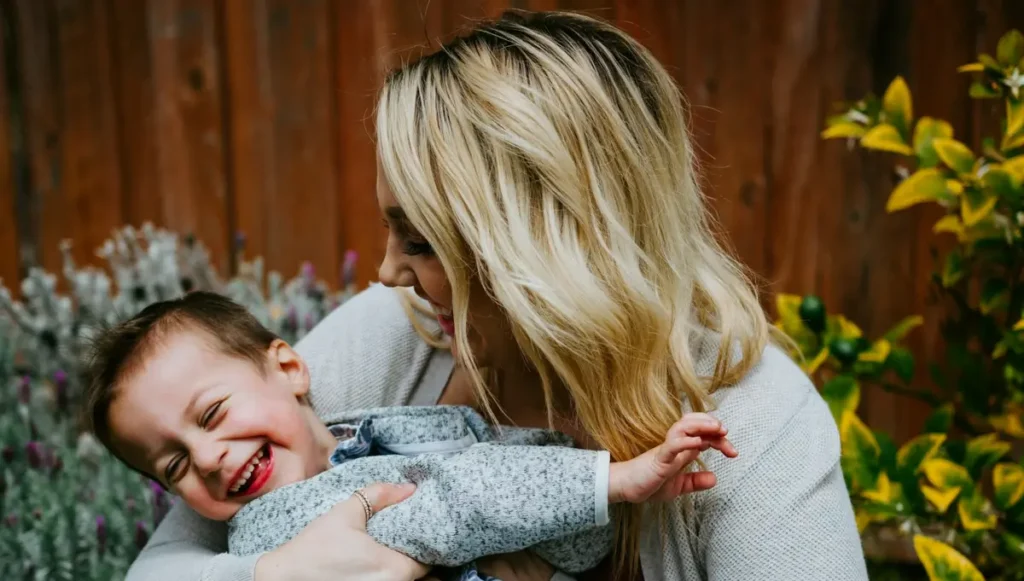
One moment, your child is confidently exploring their world, and the next, they refuse to let go of your leg. If this sounds familiar, you’re likely in the middle of the velcro toddler phase. It can be overwhelming and leave you asking, “why is my toddler so clingy all of a sudden?” You’re not alone. This sudden need for closeness is completely normal. A clingy toddler is often just navigating big developmental milestones and looking for a little extra security. Let’s talk about what’s happening and how you can support them while getting your personal space back.
By understanding why this happens and how to support your child through it, we can help them build independence and security in a way that feels right for their age and stage.
Quick Answer: Why Is Your Toddler Suddenly So Clingy?
If your toddler has become extra clingy all of a sudden, there’s likely a good reason behind it. Often, it’s tied to developmental changes—such as grasping the idea of object permanence—which can make separations feel more intense. Big transitions like starting daycare, moving, or even a shift in daily routines can also leave them feeling uncertain, leading to increased neediness. Clinginess can also be a way of seeking comfort when a child is overwhelmed, overstimulated, or experiencing separation anxiety. While it can be challenging, remember that this phase is temporary and usually a sign that your child feels safe enough with you to express their needs.
Why Do Toddlers Get So Clingy?
Clingy behavior often shows up as toddlers become more aware of their world. Around 8 to 14 months, babies start to understand that people and objects still exist even when they can’t see them—this is called object permanence. While this is a huge cognitive milestone, it also means your child now realizes that when you leave, you aren’t just disappearing—you’re somewhere else, and that can feel unsettling.
This newfound awareness can lead to separation anxiety, which is why some toddlers struggle with goodbyes, even in familiar settings. The intensity of this anxiety can ebb and flow depending on your child’s temperament, experiences, and external factors.
Clinginess isn’t just about fear of separation, though. It can also be a way for toddlers to seek reassurance as they process changes in their world. Whether it’s teething pain, a new sibling, or a shift in routine, a toddler may become clingier as they work through their emotions and look to you for comfort and stability.
Clinginess as a Positive Sign of Development
While a toddler who seems permanently attached to your leg can feel overwhelming, it’s helpful to reframe this behavior as a positive sign of their development. Clinginess is a natural phase that shows your child’s growing awareness of their world and their relationships. As they begin to fully grasp object permanence—the idea that you still exist even when you leave the room—separations can feel much more significant. This cognitive leap can trigger separation anxiety, leading them to seek comfort and reassurance from their favorite person: you.
This behavior is more than just a reaction to your absence; it’s a sign of a strong, secure attachment. When your toddler clings to you, they are showing that they see you as their safe base. They feel secure enough in your relationship to express their big feelings of uncertainty or fear. At our Trumbull preschool, we believe that partnering with parents is key to creating a consistent and supportive environment where children feel safe to express their needs. Whether they’re adjusting to a new sibling, a different routine at our Wilton childcare center, or just feeling a little overwhelmed, their clinginess is their way of saying, “I need you right now,” which is a beautiful sign of trust.
Ultimately, this clingy phase is temporary and a hallmark of a healthy parent-child bond. Experts agree that this behavior is completely normal and points to a secure attachment, which is foundational for their future emotional growth and independence. By responding with patience and understanding, you reinforce the message that you are a reliable source of comfort. This doesn’t create a “spoiled” child; it builds a confident one who knows they have a secure foundation to return to as they gradually venture out and explore the world on their own.
Common Reasons Your Toddler Won’t Leave Your Side
Understanding what sparks clinginess can make it easier to respond with patience and reassurance. Here are a few common reasons a once-independent toddler may suddenly become extra attached:
- Changes in Environment: Moving to a new home, starting daycare, or even having a new caregiver can leave a toddler feeling uncertain and seeking the familiarity of their primary caregiver.
- Disruptions in Routine: Young children thrive on predictability. If naptimes, bedtimes, or mealtimes shift unexpectedly, it can create stress, making them more likely to cling to what feels familiar—you.
- Big Emotions & Overstimulation: Sometimes, the world can just be a lot. Loud environments, unfamiliar places, or too many transitions in one day can overwhelm a toddler’s senses, leading them to seek extra closeness for comfort.
- Illness or Fatigue: When toddlers aren’t feeling well, they often become more dependent on their caregivers. Even minor discomforts like teething pain can make them extra needy.
Recognizing these triggers can help us respond in ways that make our toddlers feel secure while gently encouraging their growing independence.
Temperament and Personality
Every child has a unique way of interacting with the world, and their innate temperament plays a significant role in how they handle new situations and emotions. Some toddlers are naturally more cautious and sensitive, preferring to observe from the safety of a caregiver’s arms before joining in. Others might be more outgoing and dive right into new experiences without a second thought. As noted by Parents magazine, “A child’s personality, their home life, and their relationship with their parents can all play a part in their clinginess.” A more reserved child may simply need more time and reassurance, and their clinginess is a reflection of their thoughtful approach to the world, not a sign of insecurity.
Stranger Anxiety
Stranger anxiety is a classic developmental phase that often emerges around 8 or 9 months and can reappear during the toddler years. This is when your child starts to distinguish between familiar faces and unfamiliar ones, and those new faces can feel intimidating. According to the experts at Happiest Baby, “Stranger anxiety can also contribute to clinginess, as toddlers may feel more secure when they are close to their primary caregiver in unfamiliar situations.” This is a sign of a healthy attachment to you—they see you as their safe base. Building trust with other caregivers is key, which is why having exceptional, consistent educators in a daycare setting can make a world of difference in helping your child feel secure.
Developmental Regressions
Sometimes, just when you think you’ve moved past a certain stage, your toddler seems to take a step back. This is often a developmental regression, and it’s completely normal. Big milestones—like potty training, learning to talk, or welcoming a new sibling—require a lot of mental and emotional energy. During these periods, “Clinginess can also be a way for toddlers to seek reassurance as they process changes in their world.” They might temporarily revert to more baby-like behaviors as a way to feel safe and grounded. While this phase usually passes, it’s helpful to know when it might signal something more. As Parents magazine points out, “If a child over age 7 or 8 is still very clingy, it might be a sign of a bigger problem,” but for toddlers, it’s typically just part of the journey.
The Emotional Impact on Parents (And How to Cope)
The Physical and Emotional Toll of Being Needed 24/7
Let’s be honest: having a tiny human attached to you all day is exhausting. While it’s a sign of a strong, secure attachment, it can also be physically draining and emotionally overwhelming. You might feel touched-out, frustrated, or even a little resentful when you can’t even use the bathroom by yourself. These feelings are completely normal. It’s important to remember that this intense need for closeness is a temporary phase. Your child feels safe enough with you to express their big feelings and needs, which is a testament to your incredible parenting. Acknowledging the toll it takes is the first step toward finding strategies that help you stay grounded and patient through it all.
Parent-Focused Coping Strategies
Managing a clingy phase is as much about caring for yourself as it is about supporting your child. When your own cup is empty, it’s nearly impossible to pour into anyone else’s. Finding small, sustainable ways to recharge allows you to respond to your toddler’s needs with more patience and understanding. The goal isn’t to escape your child, but to build resilience so you can be the calm, steady presence they need. At Strong Start, we believe that partnering with parents means supporting your well-being, too. Here are a few practical strategies to help you cope when you’re feeling overwhelmed.
Take a Break When You Need It
When you feel your stress levels rising, it is perfectly okay to take a moment for yourself. If your child is in a safe space, like their crib or a playpen, you can step into another room for a few minutes to breathe and reset. This isn’t about ignoring your child’s needs; it’s about regulating your own emotions so you can return with a calmer mindset. Taking a few deep breaths, splashing some cool water on your face, or simply closing your eyes for a minute can make a world of difference. Giving yourself this small pocket of space is a powerful tool for preventing burnout.
Practice Self-Care in Small Moments
Self-care doesn’t have to be a spa day or a weekend away. For parents of toddlers, it’s often found in the small, quiet moments you can steal throughout the day. It could be savoring a hot cup of coffee before your child wakes up, listening to a favorite podcast while they nap, or doing a five-minute stretching routine on the living room floor. The key is to find something that genuinely recharges you, even if it’s brief. These little acts of self-preservation add up, helping you maintain your sense of self amidst the beautiful chaos of raising a toddler.
Share Duties with a Partner
If you have a partner, leaning on each other is crucial. Communicate openly about how you’re feeling and work together to ensure you both get breaks. You could trade off on bedtime duty, have one person handle the morning routine while the other sleeps in, or simply tag each other in when one of you is feeling touched-out. Working as a team not only lightens the physical load but also provides much-needed emotional support. Knowing you have a teammate who understands and is ready to step in can make this challenging phase feel much more manageable.
Use Babywearing to Keep Your Hands Free
Sometimes, the simplest solution is the most effective. Babywearing with a soft, structured carrier can be a lifesaver during clingy phases. It allows you to keep your toddler close and comforted—fulfilling their need for security—while freeing up your hands to make a meal, answer an email, or tend to another child. This can be especially helpful when your toddler is feeling unwell or tired and just wants to be held. It’s a practical strategy that meets both of your needs at the same time, reducing frustration and making your day run a little more smoothly.
A Crucial Note on Safe Sleep
Clinginess can often extend into the night, making sleep a major challenge. When you’re exhausted, it can be tempting to bring your toddler into your bed just to get some rest. However, it’s vital to continue following safe sleep guidelines. The safest place for a young child to sleep is in their own space, like a crib or toddler bed, free from loose blankets and pillows. While this phase is temporary, prioritizing health and safety during sleep is a constant. If nighttime clinginess becomes a major issue, focus on creating a soothing bedtime routine and offering comfort from a chair next to their bed.
5 Ways to Handle a “Velcro Toddler”
Clingy phases can test your patience, but they’re also an opportunity to help your child build confidence and emotional resilience. Here are some ways to support them through it:
1. Offer Reassurance Without Overreacting
Your toddler’s clinginess isn’t manipulation—it’s a request for security. Acknowledge their feelings with warmth: “I know it’s hard when I leave, but I’ll always come back.” Small moments of reassurance can go a long way, but avoid over-explaining or lingering too long on goodbyes, as this can make separations harder.
2. Stick to a Predictable Routine
A consistent daily rhythm gives toddlers a sense of stability. Regular wake-up times, meals, play, and sleep routines help them anticipate what’s next, making transitions—like saying goodbye at our Shelton daycare—easier to handle. If something unavoidable disrupts their routine, prepare them in advance with simple explanations: “Tomorrow we’re visiting Grandma, so naptime will be later.”
3. Gently Encourage Independence
Give your toddler chances to practice being on their own in a safe and playful way. Independent play, even for just a few minutes, builds confidence. Start by staying in the same room while they play, then step away briefly and return with a smile: “Look at you playing all by yourself! I love seeing what you’re building.”
4. Praise Specific Acts of Bravery
When your child takes a small step toward independence, let them know you noticed. Instead of a simple “good job,” be specific about what you saw. For example, you could say, “I saw you wave goodbye at the window this morning at drop-off. That was so brave!” or “You did a great job playing with your blocks while I was in the kitchen.” This kind of targeted praise helps your child recognize their own courage and builds their self-esteem. Getting frustrated when they’re feeling insecure rarely helps, but celebrating their small wins reinforces their growing confidence and shows them that you believe in their ability to handle new challenges.
5. Prepare for New Situations
Toddlers feel more secure when they know what to expect. Before heading into a new or potentially overwhelming situation—like a birthday party or a doctor’s appointment—talk them through it. You can explain who will be there, what you’ll do, and how long you plan to stay. For example, before a school tour, you could look at pictures of the classroom online and talk about the fun things they might do. Describing what their day will look like helps create a mental map, reducing anxiety and making them feel more in control. This simple preparation can make a world of difference in helping them feel confident instead of fearful.
6. Teach Healthy Coping Skills
Often, clinginess is just a physical expression of an emotion your toddler can’t yet name. You can help by giving them the words for their feelings. Try saying, “It looks like you’re feeling sad that I have to leave. It’s okay to miss me.” Reading books about separation, like “The Kissing Hand” or “Llama Llama Misses Mama,” can also be incredibly helpful. These stories normalize their feelings and show them that other little ones feel the same way. By equipping them with emotional language and relatable stories, you’re giving them tools to understand and manage their feelings in a healthy way, which is a core part of our child-led learning philosophy.
7. Model Healthy Boundaries
It’s important for children to learn that everyone, including their parents, needs personal space sometimes. You can model this gently and lovingly. Instead of feeling guilty for needing a moment, state your needs clearly and calmly: “Mommy needs to use the bathroom alone, and I will be right back to play with you.” or “I need to finish this email, and then you will have my full attention.” This teaches your child a valuable lesson about mutual respect—that their needs are important, but so are the needs of others. It’s a foundational skill for all future relationships and a key part of our commitment to partnering with parents to support the whole child.
4. Practice Short, Sweet Separations
If your child struggles with separation, practice leaving for short periods and returning as promised. Say goodbye in a calm, upbeat tone and avoid sneaking away, which can erode trust. A quick and loving farewell works best: “I love you! I’ll see you after snack time.”
5. Fill Their Emotional Cup
Clinginess often decreases when children feel securely connected. Make time for focused, one-on-one interactions—reading a book together, singing a favorite song, or simply giving them your full attention for a few minutes can help them feel more secure and less dependent on constant physical closeness.
Could It Be More Than a Clingy Phase?
While clinginess is a normal stage, there are times when it might signal something more. If your toddler’s need for constant closeness is intense and doesn’t seem to improve over time, it’s worth taking a closer look.
Signs It Might Be Time to Talk to a Pro
- Their clinginess is interfering with daily life—if they refuse to engage in activities they once enjoyed or can’t handle brief separations, even with familiar caregivers.
- They show excessive distress that doesn’t ease with reassurance or practice.
- Their fear of separation is extreme, leading to full-blown panic or regression in skills like sleeping through the night or using the potty.
If any of these signs sound familiar, speaking with a pediatrician or child development specialist can help determine whether your child might need extra support. There’s no shame in seeking guidance—it’s simply another way of ensuring your little one gets the care they need to feel safe and grow confidently.
Warning Signs in Older Children
While clinginess is a hallmark of the toddler years, it can become a concern if it persists or intensifies as children get older. If a child over the age of seven or eight is still extremely clingy, it might signal a bigger problem. Pay attention if their attachment starts interfering with daily life, causing them to refuse activities they once loved or struggle with brief separations from familiar people. Extreme distress that doesn’t fade with reassurance, or regressions in skills like sleeping through the night, are also signs to watch for. This isn’t about labeling a child, but about recognizing when they might need more support to build their confidence and explore their world independently.
How to Support Your Toddler Through This Phase
When a toddler clings to us like a shadow, it’s easy to feel frustrated or even guilty—wondering if we’re handling things the “right” way. But the truth is, clinginess isn’t a sign of failure. It’s a sign that your child trusts you enough to show their most vulnerable feelings. With patience and a few key strategies, we can help them move through this phase with confidence.
1. Validate Their Feelings Without Dwelling on Them
It’s tempting to say, “You’re fine!” when your child clings at drop-off, but from their perspective, they don’t feel fine. Instead, acknowledge their emotions: “I see that it’s hard to say goodbye. I love you, and I’ll be back after lunch.” Then follow through on that promise.
2. Model Calm, Confident Goodbyes
If we look anxious or hesitate too long, our toddlers will pick up on it. A brief, loving farewell—without sneaking away—helps them learn that separations aren’t permanent or scary.
3. Get Other Caregivers on the Same Page
If your toddler struggles with clinginess at daycare or with a babysitter, communicate openly with caregivers about routines and transition strategies. A familiar goodbye ritual, like a special wave or phrase, can make all the difference.
4. Remember: This Phase Won’t Last Forever
Like spitting, tantrums, or biting, this phase won’t last forever. One day, your little one will walk into a room without looking back—maybe even a little too quickly. For now, they just need reassurance that you’ll always be there when they need you.
You’ve Got This: A Final Reassurance
Toddler clinginess is a normal and temporary part of development. While it can be exhausting, it’s also a sign of a strong, healthy bond between you and your child. By providing reassurance, maintaining routines, and gradually encouraging independence, we can help our little ones feel safe as they explore the world.
If clinginess becomes extreme or doesn’t improve over time, it’s always okay to seek guidance from a professional. But for most children, this phase will naturally ease as they grow and gain confidence. In the meantime, take a deep breath—you’re doing a great job.
Frequently Asked Questions
Will responding to my toddler’s clinginess make them spoiled or more dependent? Not at all. In fact, it does the opposite. When you respond to your child’s need for closeness with reassurance and comfort, you are building a secure attachment. This teaches them that you are a safe base they can always return to. This security is what gives them the confidence to eventually explore the world more independently, knowing you’ll be there when they need you.
How long does this super clingy phase typically last? There isn’t a strict timeline, as every child is different. These phases are often tied to developmental leaps, changes in routine, or periods of uncertainty. For many toddlers, intense clinginess can last for a few weeks and then fade as they adjust or master a new skill. The key is to remember that it is a temporary stage, and by offering consistent support, you help them move through it more smoothly.
What’s the best way to handle difficult goodbyes, like at daycare drop-off? The most effective approach is to be calm, confident, and consistent. Create a short and sweet goodbye ritual, like a special hug and a wave from the window. Acknowledge their feelings—”I know it’s hard to say goodbye, and I’ll miss you too!”—but avoid lingering. A quick, loving, and predictable departure helps your child understand that you will always come back, which builds trust and reduces their anxiety over time.
Is it a bad sign if my toddler is only clingy with me and not my partner? This is incredibly common and not a bad sign at all. Toddlers often direct their biggest needs and emotions toward their primary caregiver—the person they spend the most time with and see as their ultimate safe space. While it can feel exhausting to be the chosen one, it’s a testament to the strong, secure bond you’ve built. It doesn’t mean their bond with your partner is any less important.
I feel so touched-out and overwhelmed. How can I cope without feeling guilty? It is completely normal to feel this way, and it’s important to give yourself grace. Your feelings are valid. The best way to cope is to find small, realistic ways to recharge. This could mean asking your partner to take over for 20 minutes so you can sit in a quiet room, putting on a favorite show for your toddler so you can drink your coffee while it’s still hot, or using a baby carrier to keep them close while freeing up your hands. Taking care of your own needs isn’t selfish; it’s what allows you to be the patient, present parent you want to be.
Key Takeaways
- See Clinginess as a Sign of Trust: Your toddler’s sudden need for closeness is a positive sign of a strong, secure attachment. It shows they see you as their safe base while they process big developmental milestones, new routines, or overwhelming feelings.
- Build Security Through Predictable Routines: Create a stable environment by sticking to consistent daily schedules for meals, naps, and bedtime. Use short, confident goodbyes and prepare your child for new situations to reduce their anxiety and help them feel more in control.
- Care for Yourself to Better Care for Them: It’s okay to feel touched-out, and addressing your own needs is essential. Taking small breaks, sharing duties, and gently modeling the need for personal space helps you stay patient and teaches your child a valuable lesson about boundaries.