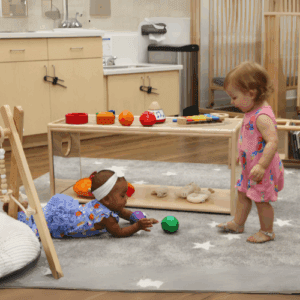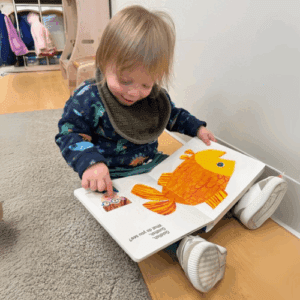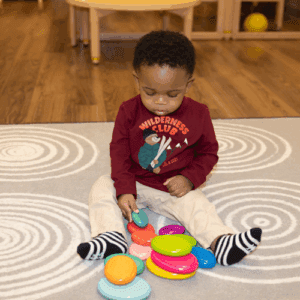

Play is serious work for a three-year-old. It’s how they test theories, practice social skills, and make sense of their world. But the most meaningful exploration happens when a child feels safe. Why? Because an emotionally secure child is able to go forth and explore his or her world with confidence. Every time they build a block tower or pretend to be a doctor, they are working towards important social emotional goals for 3 year olds. You can help them understand their big emotions and build resilience, simply by creating opportunities for play.
Key Takeaways
- Create a safe harbor for all emotions: Let your child know that every feeling is acceptable, even the big, messy ones. Responding with empathy and consistency builds the emotional security they need to understand and eventually manage their feelings.
- Model the skills you want to see: Your child learns about kindness, empathy, and handling frustration primarily by watching you. Talk about your own feelings in a simple way and use everyday moments to show them how to share, take turns, and be a good friend.
- Connect with their feelings before you correct their behavior: During a tough moment, first validate the emotion by naming it (“I see you’re very upset”). Once they feel understood, you can gently hold the boundary and guide them toward a better way to express themselves.
What is Social-Emotional Learning for Your 3-Year-Old?
When we talk about social-emotional learning (SEL) for a three-year-old, we’re not talking about flashcards or formal lessons. We’re talking about the messy, beautiful, and essential work of learning how to be a person in the world. At its core, social-emotional development helps your child build good relationships, manage their feelings, and learn important social skills. It’s the foundation that helps them grow into kind, confident, and resilient people.
For your three-year-old, this looks like learning to say, “I’m sad,” instead of just crying, or figuring out how to ask a friend for a turn with a toy. It’s the beginning of empathy—that moment they pat a friend’s back when they’re upset. These skills aren’t about achieving perfect behavior. They’re about giving your child the tools to understand their own feelings and the feelings of others. At Strong Start, our entire approach is built around nurturing this growth through caring guidance and discovery. We see every interaction as an opportunity for children to practice these vital life skills in a supportive community of learners.
The Foundation: Secure Attachment and Emotional Safety
Before your three-year-old can learn to share or name their feelings, they need to feel fundamentally safe. This sense of security is built on what experts call a secure attachment—a deep, trusting bond with you. Think of it as their emotional home base. An emotionally secure child feels confident enough to go out and explore their world, knowing they have a safe person to return to for comfort and connection. This feeling of being unconditionally loved and supported gives them the courage to try new things, make mistakes, and learn from them.
Creating this emotional safety net isn’t about being perfect; it’s about being a consistent and loving presence. It’s built through small, everyday moments—the hug after a fall, listening to a long story about a bug, and responding with empathy when they’re overwhelmed. These strong, caring connections with adults are a child’s first source of strength. At Strong Start, we see ourselves as partners in building this foundation. Our exceptional educators are dedicated to creating nurturing relationships, ensuring every child feels seen, heard, and secure enough to thrive.
Why These Skills Are So Important for Your 3-Year-Old
The years between three and five are a powerhouse phase for social and emotional growth. Think of this time as building the foundation of a house. The skills your child learns now—like sharing, taking turns, and expressing their needs with words—are the sturdy bricks that will support their future learning and relationships. These abilities are what help children get along with others, understand their own feelings, and do well in school and throughout their lives.
When we focus on skills like empathy, managing emotions, and cooperation, we’re giving them the building blocks for success. A child who can handle disappointment or work with a friend to build a block tower is not only having fun but is also preparing for the social dynamics of the preschool classroom and beyond. This period is a critical window for laying that groundwork.
How Emotional Skills Lead to a Confident Future
The effort you put into nurturing your child’s emotional world now pays off for years to come. Children with strong social skills tend to have better behavior, higher emotional intelligence, and communicate well as they grow up. They learn how to form healthy friendships, solve conflicts peacefully, and advocate for themselves with confidence. These aren’t just “nice-to-have” skills; they are fundamental to a happy and fulfilling life.
The best part? You are your child’s first and most important teacher, and you don’t need a special curriculum to do this. Adults help children learn these skills simply through talking and playing with them. Every time you comfort them, label a feeling, or model kindness, you are teaching a powerful lesson. We believe that partnering with parents is key to creating a consistent and loving environment where children can truly thrive, both at school and at home.
The Long-Term Impact of Early Confidence
Think of emotional security as your child’s home base. When they know they have a safe, loving place to return to, they feel free to go out and explore the world with confidence. This security is what allows them to take healthy risks, like trying a new activity or speaking up in a group. An emotionally secure child is able to explore their world with curiosity because they aren’t worried about losing their anchor. This foundation fosters resilience and emotional regulation, giving them the strength to try again when a block tower falls or a friend doesn’t want to play the same game.
This early confidence has a powerful ripple effect. Children who are encouraged to explore and take initiative are more likely to develop strong problem-solving skills and emotional strength. A supportive environment that celebrates effort over perfection helps children feel secure and capable. At Strong Start, our curriculum is designed to nurture this very spirit. Through our child-led, inquiry-based learning inspired by The Project Approach, we empower children to ask questions, investigate their interests, and trust their own abilities. The confidence they build today becomes the bedrock for forming healthy relationships and communicating effectively for years to come.
Key Social-Emotional Goals for 3-Year-Olds
As your child turns three, you’ll likely notice a huge leap in their social and emotional world. This is the age where they start to see themselves as separate individuals with their own big ideas and even bigger feelings. They’re moving from playing alongside other children to truly interacting and forming their first friendships. It’s an exciting, and sometimes bumpy, road as they learn to share, take turns, and understand the feelings of others.
At Strong Start, our preschool classrooms are designed to support this incredible growth. We see every interaction as an opportunity for learning, from sharing blocks to comforting a friend. Understanding these key milestones can help you support your child’s journey at home, turning everyday moments into chances to build kindness, confidence, and resilience. Remember, every child develops at their own pace, but these are some of the wonderful changes you can expect to see.
Learning to Name and Show Feelings
Around age three, your child’s emotional vocabulary starts to expand beyond simple words like “happy” or “sad.” They begin to understand and express more complex feelings like frustration, excitement, and jealousy. You can help them by giving them the words for what they’re feeling. For example, instead of just saying, “Don’t be upset,” you could try, “It looks like you’re feeling frustrated that your tower fell down.” This simple act of naming emotions validates their experience and teaches them how to communicate their needs in a healthy way.
Learning to Manage Big Emotions
Three-year-olds are famous for their big emotions, and learning to manage them is a major task. Their capacity for self-control is still developing, which is why sharing toys or waiting for a turn can feel like the hardest thing in the world. This is a crucial time for them to learn that while all feelings are okay, not all behaviors are. Gentle guidance and consistent routines help them feel secure as they practice these new skills. They need your patience and support as they learn to handle these powerful feelings without becoming overwhelmed.
Seeing Things from a Friend’s Point of View
While true empathy is still a few years away, three-year-olds are starting to show the first glimmers of it. They might notice when a friend is sad and offer a hug or a favorite toy. You can nurture this budding skill by talking about feelings in the stories you read or the shows you watch. Ask simple questions like, “How do you think that character feels?” This encourages them to start thinking beyond their own experience and consider how others might be feeling, a foundational skill for building strong, positive relationships with others.
Making Friends and Getting Along
The social world of a three-year-old is blossoming. They are becoming more interested in playing with other children, not just next to them. This is where they begin to practice essential social skills like cooperating, negotiating, and resolving conflicts. Playdates and group settings are the perfect training ground. You can support them by helping them enter a playgroup or suggesting ways to share a popular toy. These early friendships are how children learn to be a good friend, a skill that will serve them for the rest of their lives.
How to Support Your Child’s Emotional Growth at Home
Your home is your child’s first classroom, especially when it comes to feelings. As a parent, you are their most important guide in learning how to understand their own emotions and the feelings of others. The good news is that you don’t need a special curriculum or fancy tools. The most powerful teaching happens in the small, everyday moments you share.
By creating a supportive environment, you can help your three-year-old build a strong emotional foundation that will help them make friends, handle challenges, and grow into a kind and confident person. Here are a few simple, powerful ways to nurture their social-emotional skills right at home.
Create a Safe Space for All Feelings
For a three-year-old, feeling safe isn’t just about being physically protected—it’s about feeling emotionally secure, too. This means creating an environment where they know it’s okay to have any feeling, whether it’s joy, frustration, sadness, or anger. Your consistent love and support are the bedrock of this security. Strong relationships with caring adults give toddlers the comfort and confidence they need to explore the world and their own emotions.
When your child is overwhelmed, let them know you’re their safe harbor. You can do this by getting down on their level, offering a hug, and simply saying, “I’m here with you.” This reassures them that their big feelings aren’t too big for you to handle and that your love isn’t conditional on them being happy all the time. This approach is central to our philosophy of partnering with parents to create a consistent circle of support.
Make Talking About Emotions a Daily Habit
Three-year-olds are just beginning to connect the dots between what they feel on the inside and the words for those feelings. You can help them build this emotional vocabulary by being their narrator. When you see them struggling, gently name the emotion for them. For example, you might say, “You seem so frustrated that your blocks keep falling down,” or “It looks like you’re feeling sad that our playtime is over.”
According to ZERO TO THREE, it’s also important to teach healthy ways to express strong feelings. Instead of hitting or yelling, you can suggest alternatives like stomping their feet, ripping up paper, or squeezing a pillow. Talking about your own feelings in a simple way also helps. Saying, “I feel happy when we read together,” models that everyone has emotions and that it’s healthy to talk about them.
Use Routines and Loving Limits to Build Trust
Consistency is incredibly comforting for young children. When they know what to expect each day, they feel more secure and in control, which frees up their energy for learning and exploring. As experts at Help Me Grow MN note, “routines help toddlers feel safe and ready to try new things.” A simple, predictable flow—like a consistent morning routine or a calming bedtime sequence—can reduce anxiety and minimize power struggles.
Part of this routine includes loving, consistent limits. Boundaries help your child understand how the world works and show them that you will keep them safe. When you set a limit, like “We use gentle hands with the cat,” and hold to it kindly, you’re not just managing behavior; you’re building a foundation of trust and respect. At school, we see every day how a predictable schedule helps children thrive, which is why we share an overview of your child’s day with our families.
Model Kindness and Positive Relationships
More than anything, your three-year-old learns about relationships by watching you. They are soaking in how you talk to your partner, how you greet the mail carrier, and how you handle a frustrating phone call. Children learn important social skills best through these everyday activities, not by being told what to do. When you model patience, kindness, and empathy, you’re giving them a powerful blueprint for their own interactions.
Make a point to narrate your kind actions. You could say, “I’m going to share my snack with Daddy because he looks hungry,” or “I’m going to take a deep breath because I’m feeling a little frustrated.” This helps your child connect your actions to the underlying feelings and intentions. Our exceptional educators model these positive interactions every day, showing children how to listen, share, and care for one another in a community.
Understanding That Resilience is a Learned Skill
It’s easy to think of resilience as a personality trait—something a child either has or doesn’t. But the truth is that resilience is built, not born. Children learn to be resilient through experiences, especially when they face small, manageable setbacks and learn to bounce back. Your role isn’t to prevent every fall or fix every problem, but to be the supportive base they can return to. When you allow your child to experience a little frustration—like figuring out a tricky puzzle or waiting their turn—you’re giving them a chance to build their coping muscles. It’s in these moments that they learn they can handle challenges, a belief that will form the core of their confidence for years to come.
Praise Their Effort, Not Just the Outcome
When your child proudly shows you a drawing or a wobbly tower of blocks, our first instinct is often to say, “That’s beautiful!” or “You’re so smart!” While well-intentioned, this kind of praise focuses on the result. A more powerful approach is to praise their effort and the process. Try saying, “I see how hard you worked to stack those blocks so carefully,” or “You used so many bright colors in your picture!” This helps children understand that effort is valuable and that mistakes are just part of learning. This mindset is at the heart of our Project Approach, where the journey of discovery is just as important as the final outcome.
Offer Support Without Taking Over (Scaffolding)
Have you ever watched your child struggle to put on their shoes, your hands itching to just do it for them? It’s tough to hold back, but offering just enough help to let them succeed on their own is a powerful way to build their confidence. This is a teaching strategy called “scaffolding.” Instead of taking over, you can provide a small hint or a gentle nudge. Maybe you hold the shoe steady or pull the tongue out for them. This approach challenges them without causing too much frustration. It sends the message, “I know you can do this, and I’m here to help if you need me,” which is exactly how our educators guide children through new challenges in the classroom.
Celebrate Their Unique Identity
Every child is a unique individual with their own special mix of temperament, interests, and talents. Celebrating what makes your child special is one of the greatest gifts you can give their self-esteem. Pay attention to what lights them up—is it dinosaurs, dancing, or digging in the dirt? Show genuine interest in their passions. You can also help them appreciate diversity in the world around them by choosing books, toys, and pictures that show different kinds of cultures and families. This not only helps them feel proud of who they are but also teaches them to be accepting and kind to others, reflecting the core belief in our Reggio Emilia-inspired philosophy that every child is capable and full of potential.
Fostering Initiative (and Avoiding Guilt)
Around age three, your child’s desire to do things “by myself!” explodes. This drive to take initiative is a wonderful sign of their growing independence. Your role is to encourage their efforts and respond calmly to the inevitable mistakes. When adults praise attempts and treat spills or messes as no big deal, it fosters a sense of agency in children. They learn that it’s safe to try new things. If they try to pour their own milk and it spills, you can say, “Oops! Let’s clean it up together,” instead of scolding. This teaches them that trying is what matters, giving them the confidence to take on new challenges without the fear of getting it wrong.
Parenting Habits to Avoid
As you guide your child’s emotional growth, it’s helpful to be aware of a few common habits that can unintentionally create self-doubt. Things like harsh criticism, comparing your child to a sibling or friend, or being overprotective can send the message that they aren’t capable or good enough. While it comes from a place of love, rushing in to solve every problem for them can also prevent them from developing their own problem-solving skills. Instead, focus on creating a supportive environment where your child feels seen, heard, and loved for exactly who they are. This foundation of acceptance is what gives them the security to grow into confident, capable individuals.
The Role of Exploration in Building Confidence
For a three-year-old, confidence isn’t built through praise alone; it’s forged in the moments of discovery. When your child climbs a little higher, figures out how a new toy works, or splashes in a puddle for the first time, they are learning a powerful lesson: “I can do it.” Exploration is the engine of this self-discovery. It gives children a chance to test their limits, solve small problems, and learn from their own experiences in a hands-on way. By creating a safe and encouraging environment for them to investigate the world, you are helping them build a sturdy sense of self-assurance that comes from within.
Why Physical and Sensory Exploration Matters
At this age, learning is a full-body activity. A three-year-old doesn’t just learn about a flower by looking at it; they learn by touching its soft petals, smelling its scent, and feeling the dirt it grows in. This kind of sensory exploration is how they build a rich, multi-dimensional understanding of the world. According to Nemours KidsHealth, this process helps them practice important skills and feel capable. When children are free to move, touch, and experiment, they are not just playing—they are conducting research. This philosophy is at the heart of our inquiry-based approach, where we see the environment as a teacher that invites curiosity and empowers children to find their own answers.
Simple Ways to Encourage Exploration
Your role in your child’s exploration is more of a supportive guide than a director. The goal is to create opportunities for discovery and then step back to let them lead the way. This might mean providing just enough help for them to overcome a small hurdle without taking over the task for them—a technique sometimes called “scaffolding.” This shows your child that you trust their abilities and are there to support them when they need it. It’s about finding the balance between keeping them safe and giving them the freedom to try new things, make messes, and learn from their own actions.
Indoor Exploration Ideas
You don’t need fancy toys to create a world of discovery inside your home. Simple, open-ended materials often spark the most creativity. Try setting up a bin with water and cups for pouring, building a fort with blankets and pillows, or creating a “treasure basket” filled with safe, interesting household objects like wooden spoons, silicone whisks, and large, smooth stones. These activities invite your child to use their imagination and problem-solving skills.
Outdoor Exploration Ideas
The outdoors is the ultimate sensory playground. A simple walk around the block can become a grand adventure if you follow your child’s lead. Encourage them to pick up leaves, feel the rough bark of a tree, or watch a line of ants march by. Our enrichment programs often use nature as a classroom, because we know that digging in the dirt, splashing in puddles, and listening to the birds are powerful learning experiences that build both knowledge and confidence.
Letting Them Lead: The Parent’s Role in Exploration
When your child is deeply engaged in exploring something, one of the most powerful things you can do is simply watch and wait. By resisting the urge to jump in with questions or suggestions, you give them the space to think for themselves and follow their own curiosity. This child-led approach is a cornerstone of The Project Approach, where learning is driven by the children’s own questions. When they feel that their interests are valued, it builds their initiative and self-worth. As one expert notes, a deep connection with a parent gives a child the bravery to be themselves and go out into the world with more self-assurance. Your quiet presence sends a clear message: “I trust you. I see you. What you are doing is important.” This feeling of being seen and trusted is the foundation upon which true confidence is built.
How Play Teaches Emotional Skills
For a three-year-old, play is serious work. It’s their primary way of understanding the world, practicing new skills, and processing big emotions. When children play, they’re not just having fun; they’re building the foundation for healthy relationships and emotional resilience. By creating opportunities for different kinds of play, you give your child a safe space to explore social dynamics, learn empathy, and figure out how to get along with others. Our entire curriculum is inspired by this belief in child-led, play-based discovery.
Using Imagination to Understand Feelings
Have you ever watched your three-year-old pretend to be a doctor, a parent, or even the family dog? This kind of imaginative play is a social-emotional powerhouse. When they play “house” or “school,” they’re experimenting with different social roles, practicing how to take turns, and learning to solve problems with their playmates. Role-playing helps them see the world from another perspective, which is a key part of developing empathy. You can support this by offering simple props like old blankets for a fort or a cardboard box that can become anything they imagine.
How Playdates Help Them Practice Social Skills
Playdates are more than just a way to pass an afternoon; they’re a real-time lab for social learning. Before a friend comes over, you can chat with your child about what it means to be a good host, like sharing toys and being kind. During the playdate, try to observe from a distance. Giving children space to work out small disagreements on their own helps them build confidence and problem-solving skills. Afterward, you can talk about what went well, reinforcing positive behaviors and gently guiding them through any tricky moments they encountered.
Games That Teach Sharing and Teamwork
Simple, classic games are fantastic tools for teaching crucial social skills. Games like “Duck, Duck, Goose” or “Red Light, Green Light” help three-year-olds practice listening, following directions, and patiently waiting for their turn. You can also introduce cooperative games where everyone works together, like building the tallest possible block tower or completing a puzzle as a team. These activities shift the focus from winning to collaboration, showing your child how rewarding it can be to work with others toward a shared goal.
Expressing Feelings Through Art and Stories
Sometimes, a three-year-old has feelings that are too big for their words. Art provides a wonderful outlet for this emotional energy. Setting up some paper and crayons or paint can give your child a way to express what’s on their mind without having to say a word. You can talk about their creations by saying, “I see you used a lot of red here!” instead of asking, “What is it?” This opens the door for them to share their feelings. Reading stories about characters with different emotions also helps them understand that all feelings are normal and okay.
How to Help Your 3-Year-Old with Big Feelings
When your three-year-old is swept up in a wave of emotion, it can feel overwhelming for everyone. One minute they’re happy, the next they’re having a full-blown meltdown over a broken crayon. It’s a normal part of their development, but it’s also a huge opportunity for you to teach them how to understand and manage these powerful feelings. The goal isn’t to stop the emotions, but to guide your child through them. With a little patience and a few simple strategies, you can give them the tools they need to handle their feelings in a healthy way.
Help Them Find the Words for Their Feelings
At three, your child feels everything deeply, but they don’t yet have the vocabulary to explain what’s happening inside. That’s where you come in. You can act as their feelings translator. When you see them struggling, gently name the emotion for them. For example, you might say, “You’re feeling so frustrated that your tower fell down,” or “It looks like you’re feeling sad and a little jealous that your friend has that toy.” According to the experts at ZERO TO THREE, this practice validates what they’re feeling and helps them build their own emotional vocabulary. You’re not just calming them down; you’re giving them a lifelong tool for self-expression.
Make Emotions Visual with Pictures and Charts
Sometimes, words are just too hard to find, especially in the middle of a big feeling. Visual aids can be a fantastic way to bridge that gap. You can create a simple feelings chart together with pictures of faces showing different emotions—happy, sad, angry, surprised. When your child is upset, you can ask them to point to the face that shows how they feel. This simple act can help them identify and communicate their feelings without pressure. Making tools like a “feelings wheel” or a “feelings thermometer” can also be a fun, hands-on project that makes talking about emotions a normal part of your daily routine.
Acknowledge Their Feelings, Hold Your Boundaries
One of the most important things you can do is send the message that all feelings are okay, but not all behaviors are. It’s a delicate balance, but it’s key to their social-emotional growth. First, acknowledge the emotion: “I can see you are very angry right now.” This shows them you understand. Then, gently but firmly hold the boundary: “It’s okay to be angry, but it’s not okay to hit your sister.” Finally, offer a better choice for next time, like suggesting they use their words or ask an adult for help. This approach teaches them that their feelings are valid while also showing them how to manage their actions in a way that is safe and respectful to others.
Teach Simple Calming-Down Strategies
When your child is upset, their body is in overdrive. Teaching them simple calming techniques gives them a way to regain control. You don’t need to sit them down for a formal meditation session; make it playful and easy to remember. You can practice “smelling the flower” (a slow breath in through the nose) and “blowing out the candle” (a long breath out through the mouth). Some kids love “dragon breaths”—a big inhale and a loud whoosh of air on the exhale. Creating a cozy, quiet space in your home with a few pillows and soft books can also give them a safe spot to go when they need to calm their bodies and reset.
Simple Ways to Build Their Emotional Vocabulary
Helping your three-year-old learn the words for their feelings is one of the most powerful things you can do for their emotional development. When children can name an emotion, it becomes less overwhelming and easier to manage. An emotional vocabulary gives them the tools to say, “I’m sad,” instead of simply crying, or “I’m angry,” instead of hitting. Here are a few simple, playful ways to start building that vocabulary at home.
Gently Name the Feelings You See
Think of yourself as a feelings narrator for your child. When you see them struggling with a big emotion, you can gently give it a name. For example, if they’re stomping their feet because a toy isn’t working, you might say, “It looks like you’re feeling frustrated that the car won’t roll.” Or if a friend leaves a playdate, “I can see you’re sad that Maya had to go home.” This practice helps them connect the word to the physical sensation they’re experiencing. By partnering with your child in this way, you validate their experience and show them that all feelings are okay and have a name.
Read Books About Emotions Together
Stories are a wonderful way to explore feelings from a safe distance. Find books where the characters experience a range of emotions—happiness, jealousy, fear, or excitement. As you read, pause and talk about what’s happening. You can ask simple questions like, “How do you think the bear is feeling right now? His face looks grumpy.” This turns storytime into an opportunity to build empathy and understanding. Using books to explore these ideas makes learning about complex topics like emotions feel natural and engaging. It gives you a shared language to use long after you’ve closed the book.
Play Fun Games Like “Feeling Charades”
Learning about emotions doesn’t have to be a serious lesson; it can be fun! Try a simple game of “Feeling Charades” where you make a face and ask your child to guess the emotion. Are you happy? Surprised? Angry? Then, let them take a turn making a face for you to guess. You can also use puppets to act out different feelings or draw faces with different expressions on a whiteboard. These kinds of play-based activities help children understand that emotions are a normal part of life. It’s a lighthearted way to practice identifying and expressing feelings without any pressure.
Create a “Feelings Toolkit” at Home
Sometimes, a three-year-old’s feelings are too big for their words. A “feelings toolkit” can give them another way to communicate. This isn’t something you need to buy—you can easily make it together. Create a “feelings wheel” with pictures of different emotions that they can point to. You could also designate a cozy “calm-down corner” with soft pillows, a favorite stuffed animal, and a few books. Having these tangible tools available helps with making their learning visible and gives them a concrete way to express themselves when they feel overwhelmed, empowering them to begin managing their own emotions.
Common Emotional Challenges for 3-Year-Olds
Even with the best support, your three-year-old will have moments that test your patience. Big feelings, social slip-ups, and communication struggles are all a normal part of their development. The key isn’t to prevent every issue but to have a plan for how you’ll respond when they happen. Think of these moments as opportunities to guide your child and reinforce the skills they’re learning. With a calm and consistent approach, you can help them work through these common hurdles and build resilience along the way.
What to Do During a Tantrum
When a tantrum hits, it’s easy to feel overwhelmed, but your calm presence is what your child needs most. Their emotional outburst is a sign that their feelings are bigger than their ability to manage them. Your first job is to be their anchor. Get down on their level and try to give their feeling a name. You can say something like, “You are so angry that we have to leave the park.” This simple act of naming the emotion helps your child begin to understand their feelings and feel seen by you. While you hold firm on the boundary (it’s still time to go), you can offer a safe way to express that anger, like stomping their feet on the way to the car.
When Sharing Is a Struggle
If your three-year-old clutches a toy and yells, “Mine!” at a playmate, take a deep breath. This is completely normal. True sharing is a complex skill that involves empathy and self-regulation, which are still developing at this age. Instead of forcing them to share, focus on a more concrete concept: taking turns. You can model this throughout the day in simple ways. Say, “It’s my turn to stir the batter, then it’s your turn.” Simple back-and-forth games are also a great way to practice social skills and make turn-taking fun. By framing it this way, you’re building the foundation for sharing without turning every interaction into a power struggle.
Encouraging a Child Who Struggles to Share Feelings
Some children are naturally more reserved and may have a harder time expressing what’s on their mind. If your child struggles to talk about their day or their feelings, you can gently help them find the words. Start by narrating what you observe: “You look a little sad. Did something happen at school?” You can also model this by sharing your own simple feelings: “I feel happy when we read books together.” To make it more playful, try a game of Emotion Charades where you take turns acting out feelings like “silly,” “surprised,” or “grumpy.” This creates a fun, low-pressure way to build their emotional vocabulary and comfort with self-expression.
Knowing When It’s Time to Ask for Help
Every child develops at their own pace, and social-emotional skills are no exception. It’s important to be patient as your child learns and grows. However, you know your child best. If you have a persistent feeling that their struggles with emotions or social interactions are more than typical, trust your gut. If they seem unusually withdrawn, aggressive, or anxious for a prolonged period, it’s okay to seek support. You can start by talking to your pediatrician or your child’s teachers at Strong Start. Remember, asking for help is a sign of strength, and getting support early can give your child the tools they need to thrive.
How to Nurture Empathy in Your Preschooler
Empathy isn’t a trait kids are just born with; it’s a skill we can help them build, one small moment at a time. Nurturing empathy in your three-year-old is all about helping them understand that other people have feelings, just like they do. It’s the foundation for kindness, compassion, and strong friendships. By guiding them through everyday interactions, you can help them learn to see the world from someone else’s perspective.
Ask Questions About Others’ Feelings
One of the most powerful things you can do is become your child’s emotional narrator. When you’re reading a book, watching a show, or see another child at the park, gently point out how others might be feeling. You can ask simple questions like, “The boy in the story fell down. How do you think he feels?” This helps your child connect actions and events to emotions. You can also do this when they interact with friends or siblings. Instead of just saying “Be nice,” try, “When you grabbed the crayon from your sister, it made her feel sad. How can we help her feel better?” This approach teaches them to think about how their actions affect others and lays the groundwork for understanding different points of view.
Encourage Small Acts of Kindness
At this age, you’ll start to see the beautiful beginnings of empathy, like when your child tries to comfort a friend who is crying. You can encourage these instincts by noticing and praising them. Say things like, “That was so kind of you to give your friend a hug when she was sad.” You can also create opportunities for kindness. If you’re baking, suggest making an extra cookie for a neighbor. If you see a friend who needs help cleaning up, you can say, “Let’s help our friend put the blocks away so we can all play.” These small, guided actions show your child that their kindness makes a difference and feels good. It’s a key part of our approach to learning in the classroom, too.
Use Playdates to Practice Teamwork
Playdates are the perfect practice ground for social skills. Before a friend comes over, you can have a quick chat with your child about what it means to be a good host, like sharing toys and taking turns. During the playdate, try setting up activities that encourage cooperation rather than competition. Building a big fort with blankets, working on a floor puzzle together, or playing with a shared set of art supplies can help them learn to work as a team. Afterward, you can talk about what went well. Focusing on social development activities like this helps your child build positive relationships and practice empathy in a fun, low-pressure way.
Find Opportunities for Kindness in Your Community
Empathy grows when children see it in action and feel like part of something bigger than themselves. Look for simple ways to get involved in your community. You could participate in a local food drive, help clean up a nearby park, or make cards for residents at a nursing home. These activities show your child that caring for others extends beyond family and friends. Even small acts, like saying hello to neighbors or holding a door open for someone, model compassion. At Strong Start, we believe in being active members of our Shelton, Trumbull, and Wilton communities, and we encourage families to find meaningful ways to connect and contribute together.
Building a Foundation of Trust and Compassion
At the heart of your three-year-old’s emotional world is a deep need for trust. This sense of security doesn’t come from grand gestures, but from the quiet consistency of your love and support. When your child knows you are their safe harbor, a place where all their feelings are accepted, they build the confidence to explore the world and their relationships with others. This foundation of trust is what makes it possible for them to learn about compassion. By modeling kindness in your daily life—how you speak to others, how you handle frustration—you provide a powerful blueprint for how to be a caring person. This consistent, loving guidance is central to our philosophy of partnering with parents to create a nurturing environment for every child.
Related Articles
Frequently Asked Questions
My three-year-old has huge tantrums over small things. What’s the best way to respond? First, remember that a tantrum is a sign that your child’s feelings are bigger than their ability to cope in that moment. Your calm presence is their anchor. Try getting down on their level and simply naming the feeling you see, like, “You are so frustrated that your block tower fell.” This validates their emotion without condoning the outburst. The goal isn’t to stop the feeling, but to show them you’re there to help them through it while still holding a loving limit, like, “It’s okay to be mad, but it’s not okay to throw blocks.”
My child refuses to share. How can I teach this without a fight? For a three-year-old, the abstract idea of sharing can feel like they’re losing their toy forever. It often works better to shift the focus to “taking turns,” which is a more concrete concept. You can practice this in low-stakes situations throughout the day. Try saying, “It’s my turn to stir the pancake batter, then it will be your turn.” Using a timer can also help make turn-taking feel fair and predictable. This approach builds the foundation for true sharing without turning every interaction into a power struggle.
What are some simple, everyday things I can do to build my child’s emotional skills? You’re likely already doing more than you realize. The most powerful teaching happens in the small moments of your daily life. Act as a narrator for your child’s feelings by saying things like, “You seem so excited about going to the playground!” Reading stories together and pausing to talk about how the characters might be feeling is another wonderful way to build empathy. These simple actions weave emotional learning into your routine, making it a natural part of your day.
My child is shy and has a hard time joining in with other kids. How can I help? It’s completely fine for a child to be more of an observer before jumping into play. You can support them by being their safe base. Instead of pushing them to join a group, try sitting with them and simply watching for a bit. You can narrate what you see, like, “Those kids are building a tall tower. That looks fun.” Arranging one-on-one playdates can also feel less overwhelming than a large group, giving your child a chance to practice social skills in a more comfortable setting.
Is it really okay to let my child be angry or sad? I feel like I should be trying to make them happy. It’s a natural instinct to want to fix your child’s unhappiness, but letting them experience and move through emotions like sadness or anger is crucial for their long-term growth. When you allow them to feel these things without rushing to stop them, you send the powerful message that all their feelings are valid and manageable. Your job isn’t to erase their feelings, but to guide them through them. This builds their resilience and teaches them that they can handle life’s inevitable ups and downs.
Written By
Marc Hoffman
Founder, Strong Start Early Care & Education
Marc founded Strong Start in 2014, inspired by his studies at Williams College, Yeshiva University, and research at Yale University. His child-centered, inquiry-based approach to early education has helped hundreds of families in the Trumbull and Bridgeport communities. As a parent himself, Marc understands the importance of finding a nurturing environment where every child can learn, grow, and flourish.