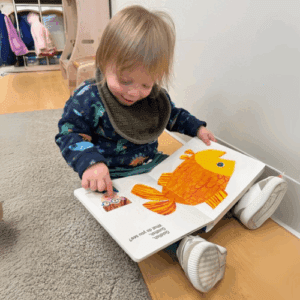

When you walk into a daycare, what should you actually be looking for? Beyond a clean space and friendly smiles, the signs of a truly exceptional program are in the details. It’s about the way a caregiver makes eye contact with a baby, the thoughtful selection of toys that encourage development, and the clear safety protocols that let you breathe easier. This article will give you the tools to see past the surface and evaluate what truly matters. We’ll explore staff-to-infant ratios, licensing, and the importance of a play-based curriculum, so you can confidently identify a high-quality infant care daycare that will support your baby’s growth from day one.
Key Takeaways
- Focus on the Vibe and the Vitals: The best centers feel right because they get the essentials right. Prioritize places with warm, interactive caregivers, a meticulously safe environment, and verified state licensing as your baseline for quality.
- Seek Personalized Care and Communication: A great program adapts to your baby’s unique needs for feeding, sleep, and play, rather than forcing a rigid schedule. Look for clear, consistent communication that gives you a window into their day.
- Plan Your Search to Avoid Stress: Get ahead of the process by starting early to secure a spot on waitlists. When touring, ask for a full breakdown of all costs to prevent financial surprises, and use a checklist to compare your top choices with confidence.
What Makes a Great Infant Daycare?
Choosing the right daycare for your baby can feel like a huge decision, because it is. You’re looking for a place that feels like a second home—a safe, warm, and engaging environment where your little one can thrive. While every family has unique needs, great infant care programs share a few key qualities. Knowing what to look for can help you move through your search with confidence, turning a potentially stressful process into an empowering one. It’s all about finding a place where the caregivers, the physical space, and the daily activities align with your family’s values and, most importantly, support your baby’s well-being and growth.
Caring Staff and Safe Ratios
The heart of any great daycare is its people. When you tour a facility, pay close attention to the caregivers. Do they seem happy and relaxed? Are they on the floor, interacting with the babies, or are they just observing from a distance? A caring, welcoming environment is one where teachers actively engage with children, making eye contact, talking to them, and responding to their cues with warmth and patience. You want to see genuine affection and connection. Equally important are staff-to-infant ratios. The fewer babies per caregiver, the more individual attention your child will receive. This ensures not only their safety but also that their personal needs for feeding, changing, and comfort are met promptly.
A Safe and Secure Environment
Your peace of mind depends on knowing your baby is in a secure space. As you evaluate centers, think like a security expert. Are the entrances locked, with a clear system for who can enter the building? When you visit, do they require you to sign in or show ID to ensure only authorized people can pick up a child? Look at the details within the infant room, too. Are electrical outlets covered? Are cleaning supplies stored out of reach? Is the furniture sturdy and free of sharp corners? The outdoor play area should be fully fenced and clear of hazards. A truly safe environment is one where these precautions are so ingrained in the daily routine that they’re second nature.
Licensing and High Standards
At a minimum, any daycare you consider should be licensed by the state. This is your baseline guarantee that the center meets essential health and safety standards. But many of the best programs go further. High-quality centers often follow what’s known as developmentally appropriate practice, which simply means they provide activities and challenges that are perfectly suited to your baby’s stage of growth—not too easy, but not too frustrating. They create a nurturing atmosphere where learning can happen naturally. Don’t be shy about asking about staff qualifications, ongoing training, and any additional accreditations the center may hold. These high standards are a clear sign of a program’s commitment to excellence.
A Focus on Your Baby’s Development
Great infant care is about more than just meeting basic needs; it’s about nurturing your baby’s rapidly developing brain. The environment should be rich with opportunities for exploration. This doesn’t mean flashy electronic toys or a rigid curriculum. Instead, look for simple, thoughtful activities. Are there soft toys for grasping, mirrors for self-discovery, and different textures for sensory play? Do caregivers spend time on the floor with babies during tummy time? You should hear lots of language, from caregivers talking and singing to the babies to reading simple board books. A focus on developmental milestones shows that a center understands how to support your baby’s physical, cognitive, and social-emotional growth from day one.
A Day in the Life: What to Expect from Infant Care
Handing your baby over to someone else for the day can feel like a huge leap of faith. You might wonder: What will they do all day? Will they be bored? Will they be lonely? A high-quality infant care program is designed to answer these questions with a resounding “no.” Your baby’s day will be a gentle rhythm of eating, sleeping, playing, and cuddling, all tailored to their unique needs. It’s not just about watching your child; it’s about creating a warm, engaging world where they can thrive. Let’s walk through what a typical day might look like.
Personalized Daily Routines
A great infant room doesn’t run on a one-size-fits-all schedule. Instead, caregivers follow your baby’s individual cues for hunger, sleep, and play. They’ll work closely with you to understand your baby’s home routine and bring that consistency into the classroom. This approach is part of a larger philosophy of developmentally appropriate practice, which means activities are tailored to what your baby can do and what they’re ready to learn next. Caregivers provide challenges that are just right—not too easy and not too hard—so your little one feels successful and engaged. This personalized attention helps your baby feel secure and understood, even when you’re not there.
Play-Based Learning and Sensory Activities
For infants, playing is serious learning. Their days are filled with activities designed to spark curiosity and encourage development. You can expect to see caregivers getting on the floor for tummy time, singing songs, reading simple board books, and introducing colorful, baby-safe toys. These simple activities are more than just fun; they help your baby build crucial skills. Exploring different textures, hearing new sounds, and seeing new sights helps them make sense of the world. Through play, babies learn to solve problems, build memory, and strengthen the muscles they’ll need for rolling, sitting, and crawling.
Clear Communication and Health Updates
Staying connected throughout the day is essential for your peace of mind. Most infant care centers have a system for keeping you in the loop. This might be a daily report sheet or a mobile app where caregivers log feedings, diaper changes, and nap times. They’ll also share the happy moments, like a new coo, a big smile, or a photo of your baby enjoying an activity. This open line of communication builds a strong partnership between you and your child’s caregiver. It gives you a wonderful window into their day and ensures that you’re working together to provide the best care for your little one.
Support for Feeding and Sleep Schedules
Feeding and sleeping are two of the biggest concerns for parents, and a quality daycare takes them very seriously. Caregivers receive training on proper bottle preparation, storing breast milk and formula, and recognizing hunger cues. They will follow your specific instructions for feeding, whether you’re breastfeeding, formula-feeding, or starting solids. When it comes to sleep, centers are required to follow safe sleep practices to reduce the risk of SIDS. This means babies are always placed on their backs to sleep in a crib that’s free of blankets, pillows, and toys. Your baby’s well-being is the top priority.
How Much Does Infant Daycare Cost?
Let’s talk about the number one question on every parent’s mind: the cost. Budgeting for infant care is a huge step, and the price tag can feel intimidating. But understanding the costs, knowing what questions to ask, and exploring ways to save can make the process much more manageable. Think of it not just as an expense, but as an investment in your child’s early development and your own peace of mind. The key is to go in with a clear picture of what to expect so you can find a wonderful, nurturing place that also fits your family’s budget.
Understanding the Average Costs
The cost of infant daycare varies widely depending on where you live, the type of center, and the services included. Generally, you can expect to pay anywhere from a few hundred to over a thousand dollars per month. A daycare center in a major city will naturally cost more than a smaller, in-home daycare in a suburban area. Some centers also offer premium services, like organic meals or a specific educational curriculum, which can influence the price. The best approach is to use these averages as a starting point and then research the typical cost of care in your specific area to create a realistic budget.
Extra Fees and Payment Options
The monthly tuition isn’t always the full story. To avoid surprises, it’s important to ask for a complete breakdown of all potential costs when you tour a facility. Some centers charge extra for meals, diapers, and wipes, while others include them in the tuition. You might also find annual supply fees, charges for special activities, or penalties for late pick-ups. Be sure to ask about their policies for holidays, sick days, and family vacations—will you still need to pay for days your child doesn’t attend? Getting clarity on these details upfront will help you accurately compare your options and find a center with transparent pricing.
Ways to Save: Financial Aid and Discounts
High-quality care can be affordable, and there are many avenues for financial support. Don’t hesitate to ask every single center you visit about what they offer. Many daycares provide sibling discounts if you have more than one child enrolled or offer a discount for military families. Beyond the center itself, look into employer benefits, as some companies provide a Dependent Care Flexible Spending Account (FSA) that allows you to use pre-tax dollars for childcare. You may also be eligible for federal programs like the Child and Dependent Care Credit on your taxes, which can help offset the expense.
Your Step-by-Step Guide to Finding Infant Care
Finding the right daycare for your baby can feel like a huge task, but breaking it down into manageable steps makes all the difference. Think of it as a discovery process where you get to find the perfect second home for your little one. By being methodical and trusting your intuition, you can move forward with confidence and find a place where your child will be safe, happy, and nurtured.
Start Your Search: Finding Local Daycares
The first step is simply figuring out what’s available in your area. A great starting point is the national database that helps parents find good child care and support services. You can filter by location to get a list of licensed centers near you. Beyond online searches, don’t underestimate the power of word-of-mouth. Ask friends, family, and colleagues for their recommendations. Local parenting groups on social media can also be a goldmine of honest feedback and suggestions. Compile a list of three to five promising daycares to explore further. This initial list will be your foundation as you move on to the next steps of your search.
Touring Facilities and Asking the Right Questions
Once you have your shortlist, it’s time to schedule tours. This is your chance to see the environment firsthand and get a feel for the daily routine. Pay close attention to the interactions between caregivers and children. Do the babies seem happy and engaged? Are the teachers actively playing with them on the floor? Come prepared with a list of questions covering everything from staff-to-infant ratios and safety protocols to their feeding and nap policies. Asking the right questions will help you understand their philosophy and ensure it aligns with your family’s values. Trust your gut—the overall vibe of a center is just as important as the answers you receive.
Reading Reviews and Checking Credentials
After your tours, it’s time to do some homework. Look for online reviews from other parents to get a broader perspective on each center’s reputation. While a single negative review isn’t necessarily a dealbreaker, patterns of complaints should be taken seriously. Most importantly, verify each center’s credentials. Is it licensed by the state? Licensing ensures the facility meets basic health and safety standards. You should also look for any additional official approvals or accreditations, which indicate a higher commitment to quality. Don’t hesitate to ask the center’s director for this information directly; a great daycare will be proud to share it.
Observing the Environment and Staff Interactions
During your tour, take a moment to just observe. A high-quality infant program is built on warm, responsive caregiving. Watch how the staff members talk to, hold, and comfort the babies. They should be attentive and gentle, making eye contact and speaking in soothing tones. The physical space should be clean, safe, and filled with age-appropriate toys that encourage exploration. Look for signs of developmentally appropriate practice, where activities are tailored to what infants can do. You want to see a space where your baby will not only be cared for but also encouraged to meet their next milestone.
Feeling Confident in Your Final Choice
After all the tours, questions, and research, it’s time to make a decision. This final step can feel like the biggest one, but you’ve already done the hard work. Now, it’s about organizing your thoughts, navigating the logistics, and preparing for a smooth start. Trust your instincts and the information you’ve gathered. You’re equipped to choose a place where your baby will be safe, happy, and nurtured. This is about finding the right fit for your family and building a support system you can rely on as you head back to work or simply start a new routine.
Use a Checklist to Compare Your Top Choices
When you’ve visited a few great centers, they can start to blend together in your mind. This is where a checklist becomes your best friend. Creating a simple, side-by-side comparison helps you move from a gut feeling to a confident, informed decision. When you evaluate daycare options, think about how each one supports key developmental milestones like crawling, walking, and fine motor skills. Does one center have a more engaging play area? Did another have a caregiver who seemed especially warm and attentive? Writing it all down helps you weigh the pros and cons objectively and ensures you choose the environment that best aligns with your family’s values and your baby’s needs.
The Enrollment Process and Waitlists
One of the most common pieces of advice you’ll hear from other parents is to start your daycare search early, and for good reason. High-quality infant care spots fill up incredibly fast, and many centers have long waiting lists. Once you’ve identified your top choices, the next step is to inquire about their enrollment process and when your baby can start. Don’t be discouraged if you hear the word “waitlist.” It’s standard practice, so it’s wise to put your child’s name on a few lists to keep your options open. This proactive step is often what secures your spot when the time comes.
Easing the Transition for Your Baby (and You!)
Let’s be honest: the transition to daycare can be just as tough on parents as it is on babies. It’s completely normal to feel a wave of anxiety when you leave your little one for the first time. Your baby might cry during drop-off, but please know this is a typical reaction and not a sign that they’re unhappy all day. To make things a little easier, try keeping a special toy or comfort item in the car. This can offer your baby a familiar comfort on the ride home. Remember to give yourself grace during this period—it’s a big change for everyone, and it will get easier with time.
Building a Strong Partnership with Caregivers
The relationship you build with your baby’s caregivers is one of the most important aspects of a positive daycare experience. Think of them as your partners in parenting. You can establish a good relationship by taking a few moments to chat during drop-off and pick-up. Share little updates about your baby’s weekend or a new skill they’re working on. In turn, ask them for their insights—they are spending their days with your child and can offer valuable advice. Over time, these caregivers will become a vital part of your support system, cheering on your baby’s growth right alongside you.
Related Articles
- Questions to Ask When Touring a Daycare for an Infant
- Preparing To Send Your Infant To Day Care
- infant day care – Strong Start Early Care and Education
- When to Start Looking for a Daycare
- What To Look For In A Connecticut Daycare
Frequently Asked Questions
What’s the single most important thing I should look for during a daycare tour? While a clean, safe space is essential, pay closest attention to the interactions between the caregivers and the babies. Look for teachers who are on the floor with the children, making eye contact, talking in warm tones, and responding quickly and gently to their needs. A great program is built on genuine connection, and you should be able to feel that positive, relaxed energy when you walk in the room.
My baby has a very specific routine. How will a daycare handle that? This is a fantastic question to ask every director you meet. A high-quality infant program won’t force your baby onto a rigid schedule. Instead, they will work with you to understand your child’s individual cues for sleeping, eating, and playing. They should see your baby’s home routine as the foundation for their day, ensuring a sense of consistency and security that makes the transition much smoother.
When is the best time to start looking for infant care? It’s wise to start your search much earlier than you might think, often during your second trimester of pregnancy. The best infant programs, especially those with low teacher-to-child ratios, tend to have long waiting lists. Getting your name on the list for a few of your top choices early on gives you the best chance of securing a spot when you need it without feeling rushed.
What should I do if my baby cries every morning at drop-off? First, know that this is completely normal and usually much harder on you than it is on your baby. Separation anxiety is a typical developmental stage. The best thing you can do is create a consistent, positive, and quick goodbye routine. Hand your baby to a trusted caregiver, give a kiss and a confident “I’ll be back later,” and then leave. Lingering can often make the process harder for your child. Most babies calm down just minutes after you’re gone and have a wonderful day.
Besides the monthly fee, what other costs should I be prepared for? It’s smart to ask for a complete fee schedule from any center you consider. Some centers include diapers, wipes, and meals in their tuition, while others charge for them separately. You might also encounter an annual registration or supply fee, late pick-up charges, or specific policies about paying for holidays or sick days. Getting a clear picture of all potential costs upfront helps you budget accurately and avoid any financial surprises down the road.