Is my toddler ready? What should I look for on a tour? How can we handle separation anxiety? And what is this all going to cost? If these questions are running through your mind, you are not alone. Finding the right daycare for 2 year olds involves a lot of moving parts, and it’s completely normal to want clear, straightforward answers. We created this comprehensive guide to address all of your concerns in one place. We’ll cover everything from the benefits of early socialization and what a great curriculum looks like to practical tips for budgeting and preparing for that very first drop-off.
Key Takeaways
- Prioritize the core elements of quality care: Look beyond the surface to confirm the center has proper licensing, a safe and clean space, and genuinely caring teachers. A play-based curriculum that sparks curiosity is also essential for a 2-year-old’s development.
- View daycare as a developmental step: A great program does more than provide supervision; it helps your child build crucial social skills with new friends, gain confidence by practicing independence, and expand their vocabulary in a language-rich environment.
- Prepare for a positive start with simple steps: You can ease the transition for your toddler by visiting the school beforehand, aligning your home schedule with the classroom routine, and creating a consistent, loving goodbye ritual for drop-off.
What Makes a Great Daycare for a 2-Year-Old?
Choosing a daycare for your 2-year-old feels like a huge decision, because it is! You’re looking for a second home, a place where your child will not only be safe and cared for but also happy and engaged. While every family has unique needs, there are a few key things that separate a good daycare from a great one. When you’re touring different centers, keeping these core elements in mind can help you find the perfect fit for your little one. It’s about finding a program that aligns with your family’s values and provides a nurturing environment for your child to thrive.
Look for Proper Licensing and Accreditation
First things first, let’s talk about the essentials. Any daycare you consider should be licensed by the state. This is the baseline requirement that ensures the center meets fundamental health and safety standards. But you can also look for programs that go a step further. For example, accreditation from the National Association for the Education of Young Children (NAEYC) is a mark of excellence. It means a center has voluntarily met a high bar for quality in its curriculum, teacher qualifications, and family partnerships. This kind of NAEYC accreditation shows a deep commitment to providing the best possible early learning experiences for young children.
Meet the Caring, Qualified Teachers
The people who will spend their days with your child are the heart of any daycare program. Look for teachers who are not just qualified on paper but are also warm, patient, and genuinely enjoy being around toddlers. During your tour, watch how they interact with the children. Do they get down on the floor to play? Do they speak to the kids with respect? Great educators in early childhood are lifelong learners themselves, often participating in ongoing professional development. Having exceptional educators who are passionate about what they do makes all the difference in your child’s daily experience and overall development.
Prioritize a Safe and Healthy Space
As a parent, your child’s well-being is your top priority. A great daycare shares that commitment. When you visit, pay attention to the environment. Does it feel secure, with controlled access to the building? Are the classrooms clean and child-proofed, with age-appropriate toys in good condition? Ask about their specific policies for everything from cleaning routines to managing illnesses and allergies. A center with clear and rigorous health and safety protocols gives you peace of mind, allowing you to focus on your day knowing your child is in a secure and healthy space where they can play and learn without worry.
Find a Play-Based, Engaging Curriculum
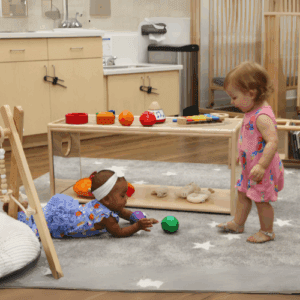
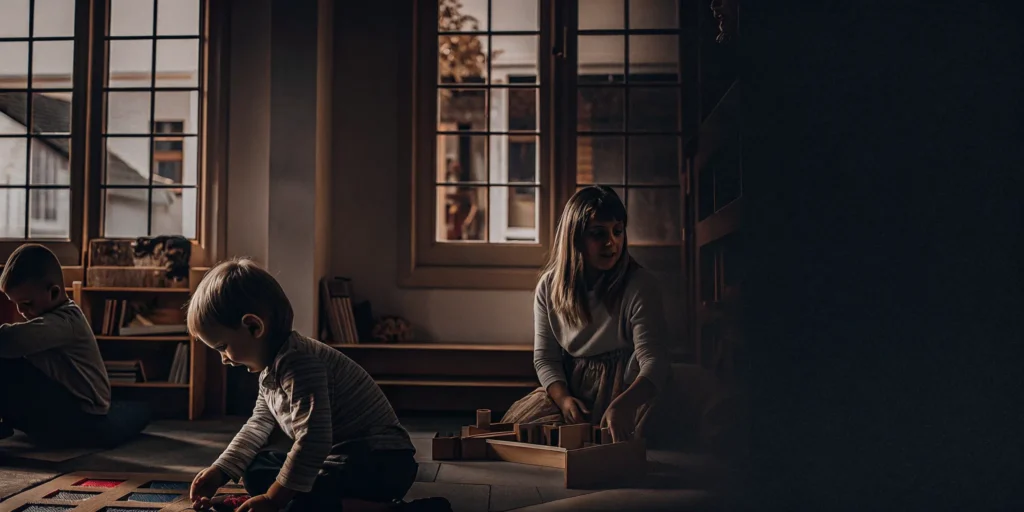
At two years old, children learn best through play. A great daycare curriculum for this age group isn’t about worksheets or rigid lessons; it’s about creating opportunities for exploration and discovery. Look for a program that encourages curiosity and lets children learn at their own pace. An approach inspired by philosophies like Reggio Emilia views children as capable and curious learners, guiding them as they explore their interests. This play-based learning helps toddlers develop crucial social skills, build friendships, and gain confidence as they figure out the world around them. It’s how they build a strong foundation for a lifetime of learning.
Ask About Daily Routines and Fun Extras
Toddlers thrive on predictability, so a consistent daily routine is key. Ask for a copy of the daily schedule to see how the day is structured. It should include a healthy balance of active play, quiet time, group activities, meals, and naps. A well-planned day helps your child feel secure and know what to expect. Also, find out what makes their program special. An exciting enrichment program with activities like music, art, or cooking can add so much joy and variety to your child’s week, giving them new ways to express themselves and learn new skills beyond the standard curriculum.
How Will Daycare Benefit Your 2-Year-Old?
Watching your 2-year-old explore the world is one of the most exciting parts of being a parent. They are full of curiosity, energy, and a growing desire to do things all by themselves. A high-quality daycare program doesn’t just provide a safe place for them to be while you work; it creates an environment designed to channel that amazing energy into growth and discovery. It’s a place where they can practice new skills, make their first friends, and build a positive relationship with learning that will last a lifetime.
At this age, children learn best through play and hands-on experiences. The right daycare setting offers a thoughtful balance of structured activities and free exploration, guided by caring teachers who understand exactly what a 2-year-old needs. From circle time songs to messy art projects, every part of the day is an opportunity for your child to learn about themselves and the world around them. This supportive environment helps them build social, emotional, and cognitive skills that are the foundation for everything to come.
Making Friends and Learning Social Skills
At two, your child is just beginning to understand that other kids are people, too, with their own thoughts and feelings. A daycare classroom is the perfect place to practice crucial social skills. Through group activities and playtime, toddlers learn how to share toys, take turns, and communicate their needs to their peers. These early interactions, guided by experienced educators, help them develop empathy and build their very first friendships. It’s where they learn the give-and-take of being part of a community, setting them up for positive relationships in preschool and beyond.
Fostering Independence and Confidence
Two-year-olds have a powerful drive to be independent. They want to pour their own juice, put on their own shoes, and do everything “by myself!” A daycare environment gently encourages this budding independence. Our Toddler Classrooms are designed with little ones in mind, with low shelves and accessible materials that empower them to make their own choices. Simple routines, like putting their coat in their cubby or helping clean up after snack time, give them a sense of responsibility and accomplishment. Each small success builds their confidence and shows them just how capable they are.
Developing Language and Communication
A daycare classroom is a language-rich environment, buzzing with conversations, stories, and songs. Being around other children and teachers exposes your 2-year-old to a wide range of new words and sentence structures every single day. They’ll learn to follow simple directions, express their ideas, and ask questions about things that capture their interest. This constant communication helps their vocabulary explode and strengthens their ability to articulate their thoughts and feelings. This focus on communication is a core part of The Project Approach, where children’s questions guide their learning.
Building a Foundation for Future Learning
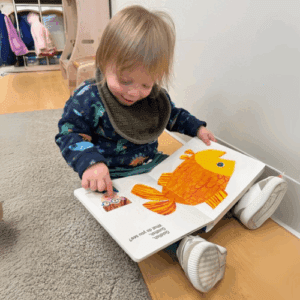
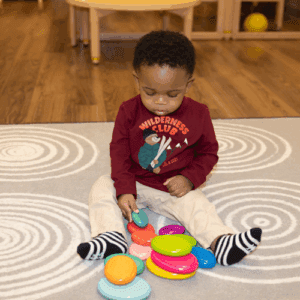
The playful activities your 2-year-old engages in at daycare are actually building a strong foundation for future academic success. When they sort colorful blocks, they’re learning about patterns and classification. When they listen to a story, they’re developing pre-reading skills and expanding their attention span. High-quality early education programs are shown to support better language, memory, and social skills down the road. By nurturing their natural curiosity, as we do with our Reggio Emilia Inspiration, we help children become confident, engaged learners for life.
Getting Active and Improving Motor Skills
Toddlers seem to have endless energy, and a great daycare program provides plenty of healthy ways to use it. A typical day includes lots of time for active play, both indoors and outdoors, which is essential for developing gross motor skills like running, jumping, and climbing. They also get to practice their fine motor skills through activities like painting, working with playdough, and fitting puzzle pieces together. Our Enrichment Program includes activities like Fit Kids, which makes movement fun and helps children develop coordination, balance, and a love for being active.
Is Your 2-Year-Old Ready for Daycare?
Deciding if your two-year-old is ready for daycare is a big step, and it’s one without a single right answer. Every child develops at their own pace, and every family has unique needs. Instead of focusing on a specific age, it’s more helpful to look for developmental and social cues from your toddler. Thinking about their individual personality, your family’s situation, and how they interact with the world will give you the best clues. This is less about checking boxes and more about understanding if a new, structured environment with friends and teachers is the right next step for your little one.
Signs Your Toddler Is Ready to Start
You know your child best, so watch for a few key signs that they might be ready for a classroom setting. If your toddler is generally okay with being away from you for short periods, like with a grandparent or babysitter, that’s a great start. Notice if they show curiosity about other children at the playground or in a music class. A budding interest in playing alongside others is a strong indicator. Also, consider their independence. Can they follow simple, two-step instructions and eat on their own? Having a fairly consistent schedule for naps and meals at home also helps make the transition to a toddler classroom routine much smoother.
Key Developmental Milestones to Consider
While there’s no magic age, many child development experts point to 18 to 30 months as a “sweet spot” for starting daycare. During this window, toddlers are often experiencing huge developmental leaps. Their language skills are taking off, they’re becoming more independent, and their desire to explore the world is growing every day. They are moving from parallel play (playing near another child) to more interactive play. A quality daycare program can provide the perfect environment to support this growth, offering new words, new friends, and new experiences that build on the foundation you’ve created at home.
Handling Separation Anxiety (For Both of You)
Let’s be honest: drop-off can be tough, and separation anxiety is completely normal for both children and parents. It’s very common for toddlers to cry when you leave, but with a consistent routine and caring teachers, most children adjust within a couple of weeks. Remember, forming secure attachments with other trusted adults is a healthy and important part of their emotional development. Our exceptional educators are experienced in helping little ones through this transition with warmth and patience. A quick, confident, and loving goodbye can make a world of difference for everyone.
Deciding When It’s the Right Time to Start
Ultimately, the best time to start daycare depends entirely on your child and your family. There is no right or wrong choice. For some families, daycare is a necessity for work schedules. For others, it’s about providing more social interaction and learning opportunities for their child. It’s also important to consider your own well-being. If having your child at home all day is leading to burnout, a part-time or full-time program can give you the space to recharge, making the time you have together more engaged and joyful. We believe in partnering with parents to find the solution that feels right for you.
What Does Daycare for a 2-Year-Old Cost?
Let’s talk about one of the biggest questions on every parent’s mind: the cost. Finding a daycare that fits your family’s budget is just as important as finding one with a great curriculum. The price of care can vary quite a bit, but understanding the factors that shape the cost and knowing where to look for support can make the process much more manageable. Think of it not just as an expense, but as an investment in your child’s early development and your own peace of mind.
Understanding What Influences the Price
The cost of daycare for a 2-year-old isn’t one-size-fits-all. Several key factors play a role, starting with your location. Care in a major city will almost always cost more than in a smaller town. The type of facility matters, too; center-based care often has a different price point than in-home daycare. Finally, the quality and scope of the program are significant. Centers with highly qualified teachers, low student-to-teacher ratios, and enriching programs may have higher tuition. While the national average hovers around $868 per month, it’s crucial to research options in your specific area. At Strong Start, we are transparent about our tuition and the value it represents.
Exploring Financial Aid and Support
If the numbers feel daunting, you are not alone. For many families, childcare is one of their largest monthly expenses. The good news is that help is available. Many states offer subsidy programs to help eligible families afford high-quality care. You may also be able to get support through federal tax credits, like the Child and Dependent Care Credit, which can reduce your tax burden. Some employers even offer dependent care flexible spending accounts (FSAs) or other benefits. Don’t hesitate to ask potential daycare centers what resources or information they can provide to help you find these opportunities.
Tips for Budgeting for Childcare
Once you have an idea of the cost, it’s time to fit it into your family’s budget. Start by looking beyond the monthly tuition fee. Ask schools for a complete list of expenses, which might include a one-time registration fee, annual supply fees, or charges for special activities. Planning for these extras will help you avoid surprises. It’s also wise to start your search early, giving you plenty of time to visit different schools, compare costs, and understand what’s included. Creating a specific line item for childcare in your budget can help you track spending and feel more in control of your finances.
How to Prepare Your 2-Year-Old for a Smooth Start
Starting daycare is a huge milestone for your toddler and for you. A little preparation can make a world of difference in turning first-day jitters into genuine excitement. The goal is to build familiarity and confidence so that walking into their new classroom feels like the start of a fun adventure, not a scary unknown. By taking a few simple steps together before the big day, you can create a positive foundation for this new chapter. These strategies will help your child feel secure, capable, and ready to embrace all the new friends and experiences that await them.
Visit the School to Get Familiar
One of the best ways to ease anxiety is to make the new environment feel familiar. Before your child’s first day, schedule a visit to the school together. Walk through the classrooms, point out the colorful toys, and explore the playground. This gives your toddler a chance to see everything and meet their new teachers in a low-pressure setting with you right by their side. This simple tour can transform the building from a strange new place into their school, a place they’ve been to before and can look forward to returning to.
Establish Consistent Routines at Home
Toddlers thrive on predictability. A consistent routine at home helps them feel safe and secure because they know what to expect next. Before daycare starts, try to align your home schedule with the school’s. You can learn about a typical day’s schedule to see when children have meals, naps, and playtime. Shifting your child’s nap or lunch time to match the daycare’s routine can make their first week much smoother. This consistency between home and school creates a comforting rhythm for your child, helping them adapt more easily to their new environment.
Practice Independence Skills Together
Fostering a little independence can do wonders for your child’s confidence as they prepare for daycare. You can turn simple self-help tasks into fun games at home. Encourage them to try putting on their own shoes, washing their hands by themselves, or helping you pack their backpack. These small accomplishments help them feel capable and proud. When they arrive at school with the ability to do a few things on their own, they’ll feel more comfortable and ready to participate. This sense of agency is a cornerstone of learning approaches like the Project Approach, where children are encouraged to be active drivers of their own discovery.
Create a Positive Goodbye Ritual
Saying goodbye can be tough, but a predictable and positive ritual can make it much easier for both of you. Create a special, short-and-sweet routine that you do every time you drop them off. This could be a unique hug, a secret handshake, or a simple phrase like, “I love you! Have a great day, and I’ll see you after your nap.” The key is to be loving but confident, and to avoid lingering. A quick, cheerful goodbye signals to your child that they are safe and that you are certain they will be okay. Our caring teachers are experts at helping children through this transition and will be there to offer a comforting hug the moment you leave.
Related Articles
Frequently Asked Questions
What’s the real difference between state licensing and NAEYC accreditation? Think of state licensing as the essential foundation for any childcare center. It confirms that a school meets all the required health and safety standards to operate legally. NAEYC accreditation, on the other hand, is a voluntary mark of excellence. It means a program has gone above and beyond the basics to meet a much higher set of standards for its curriculum, teacher qualifications, and relationships with families. It’s a clear sign that a school is deeply committed to top-tier early childhood education.
My toddler still has tough days with separation. How can I make drop-offs easier? This is so common, and it’s often harder on us than it is on them! The best strategy is to create a short, sweet, and consistent goodbye routine. A quick hug, a kiss, and a confident “I’ll be back after your nap!” can work wonders. The key is to not linger, as that can signal to your child that you’re unsure. Trust that their teachers are experts at comforting them and redirecting their attention to a fun activity the moment you leave.
What if my 2-year-old has trouble napping in a new place? It’s completely normal for a toddler’s sleep routine to be a little off-kilter when they start daycare. Experienced teachers know this and are prepared to help. They create a calm, soothing environment and work with each child to help them relax, even if they don’t fall asleep right away. Bringing a familiar comfort item from home, like a special blanket, can also help. With a consistent routine at school, most children adjust to the new nap schedule within a few weeks.
How will I know what my child is learning and doing each day? A great daycare values its partnership with parents, and that means keeping you in the loop. Most high-quality centers use a combination of tools to share updates. You can expect things like daily digital reports that track meals, naps, and activities, along with photos of your child engaged in their day. Teachers should also be available for quick chats at pick-up and more formal conferences to discuss your child’s progress and experiences.
Is a “play-based” curriculum just unstructured playtime? That’s a great question, and the answer is no. Play-based learning is actually very intentional. While it looks like fun, teachers are purposefully designing activities and setting up the classroom to help children develop specific skills. When toddlers are building with blocks, they’re exploring concepts of physics and math. When they’re in the dramatic play area, they’re practicing social skills and language. It’s a structured approach that uses a child’s natural curiosity to build a strong foundation for future learning.