Choosing a childcare center can feel overwhelming. You tour beautiful classrooms and see happy children playing, but how do you know if a program will truly nurture your child’s emotional well-being? You might hear terms like “social-emotional learning,” but what does that actually mean day-to-day? Understanding which curriculum helps preschoolers with social and emotional development is key to making a confident choice. It’s about finding a place where teachers don’t just manage behavior but actively teach children how to understand their feelings, solve problems, and build kind relationships. This article will walk you through what to look for and the questions to ask to find a program that supports your whole child.
Every parent has been there: the grocery store meltdown over a cookie or the preschool power struggle over a favorite toy. These moments can be tough, but they are also incredible opportunities for growth. What if your child had the tools to name their big feelings and work through them without getting overwhelmed? This is exactly what a social-emotional curriculum is designed to do. It gives children a vocabulary for their emotions and strategies for handling challenges. When you choose a childcare with social-emotional curriculum, you’re giving your child a toolkit they will use for the rest of their lives.
Key Takeaways
- Emotional skills are the foundation for school success: Before children can learn academics, they need to know how to manage their feelings, communicate their needs, and work with others. These skills help them focus, participate, and develop a positive attitude toward learning.
- Look for learning woven into everyday play: A great program doesn’t teach social skills in a single lesson; it integrates them into daily activities. Watch for how educators use storytime, art projects, and playtime to naturally teach empathy, teamwork, and problem-solving.
- Reinforce these skills with simple home routines: You can support your child’s growth by creating predictable routines, talking openly about feelings, and reading stories together. These small, consistent actions build on what they learn in the classroom and strengthen their emotional foundation.
What is a Social-Emotional Curriculum?
When you hear the term “curriculum,” you might think of subjects like reading or math. A social-emotional curriculum is a little different. It’s a thoughtful, intentional approach to helping children understand their feelings, connect with others, and build the skills they need to thrive, not just in school, but in life. Think of it as the foundation upon which all other learning is built. It’s about teaching children how to be good friends, how to handle big emotions like frustration or excitement, and how to see things from someone else’s perspective.
At its core, a social-emotional curriculum is woven into every part of the day. It happens when a teacher helps two toddlers work through a disagreement over a toy, when a child learns to ask for a turn, and when the class celebrates a friend’s success. These aren’t just happy accidents; they are teachable moments guided by exceptional educators who know how to nurture these essential life skills. This focus helps children feel secure, understood, and ready to explore the world around them with confidence.
The Building Blocks of Social-Emotional Learning
So, what exactly are these skills? Experts often group them into five key areas that work together. The first is self-awareness, which is about recognizing your own emotions and strengths. Next is self-management, or the ability to handle those emotions in healthy ways and set goals. Then there’s social awareness, which means understanding and empathizing with others. Relationship skills help children build positive connections, communicate clearly, and cooperate. Finally, responsible decision-making is all about making caring and constructive choices. When children develop these skills, they are often happier, more engaged, and have a more positive attitude about school.
How These Skills Evolve as Your Child Grows
These skills don’t develop overnight. They grow through consistent practice and warm, supportive relationships. In the classroom, this happens in two important ways: by building trusting bonds between children and their teachers, and by intentionally teaching social and emotional skills through daily activities. A teacher might read a story about friendship and ask how the characters felt, or guide children through deep breathing when they feel overwhelmed. Research consistently shows that children with strong social and emotional health are more motivated to learn and perform better academically. By creating a nurturing environment, we help children build a strong foundation for a lifetime of learning and positive relationships.
Why Social-Emotional Skills Are So Important for Kids
When we think about getting our kids ready for school, we often jump to academics like letters and numbers. But there’s a foundational set of skills that makes all other learning possible: social-emotional skills. This is about helping children understand their feelings, connect with others, and handle challenges. A focus on social-emotional learning (SEL) doesn’t just prepare them for kindergarten; it equips them for life. It’s truly a game-changer, shaping how they see themselves and interact with the world around them.
Setting Your Child Up for Success in School (and Life)
Children who feel secure and understood are more open to learning. When kids develop social-emotional skills, they arrive at school happier, more curious, and ready to participate. This isn’t just a nice-to-have; it directly impacts their academic journey. SEL teaches them how to manage their feelings, show empathy, and make thoughtful decisions, which are all crucial for a classroom setting. Think of it as building the emotional toolkit they need to focus, collaborate on projects, and ask for help. These are the skills that help them succeed in school and, eventually, in their future careers and relationships.
The Data-Backed Benefits of SEL
Improved Academics and Behavior
The connection between emotional well-being and academic achievement is stronger than you might think. Research consistently shows that children with a solid social-emotional foundation are more motivated and perform better in school. When children learn to identify their feelings and manage their impulses, they can focus more easily on learning tasks. SEL programs are designed to improve how students act, feel, and learn, which naturally leads to better grades and a more positive classroom environment. Instead of getting stuck on a frustrating problem, a child with these skills can take a deep breath, ask for help, or try a new approach—all of which are essential for building academic resilience and a genuine love for learning.
Long-Term Return on Investment
Investing in your child’s social-emotional education pays dividends for a lifetime. While it might seem focused on early childhood, the skills learned through SEL have a powerful and lasting impact. Studies on SEL programs have shown an incredible return on investment, not just financially for society, but in the form of better life outcomes for individuals. Children who participate in quality SEL programs grow into adults who are better at resolving conflicts, maintaining healthy relationships, and making responsible choices. By giving them these tools early on, you are helping them build a foundation for future success, personal happiness, and overall well-being that will serve them far beyond their school years.
Helping Your Child Make and Keep Friends
Making friends can be tricky, especially for little ones. A social-emotional curriculum gives children a roadmap for building positive relationships. Instead of just hoping they’ll figure it out, we actively teach them how to share, take turns, and communicate their needs kindly. Our exceptional educators guide them through common social hurdles, like what to do when a friend takes their toy or how to join a game that’s already started. By practicing these scenarios in a safe and supportive space, children learn concrete strategies for solving social problems. This guidance helps them build meaningful friendships based on respect and understanding.
Learning to Handle Big Feelings and Bounce Back
Life is full of ups and downs, and learning to handle big emotions is a critical life skill. Resilience isn’t about never feeling sad or frustrated; it’s about learning how to work through those feelings without getting stuck. A social-emotional curriculum helps children identify their emotions and gives them healthy ways to express them. We create a supportive environment where it’s safe to have a tough moment. With gentle guidance, children learn to take deep breaths when they’re upset or use their words to explain what’s wrong. This ability to regulate emotions is directly linked to better focus, stronger social skills, and a positive outlook on learning.
What Your Child Will Learn in a Social-Emotional Curriculum
When we talk about preparing children for school, we often think of letters, numbers, and colors. But just as important are the skills that help them understand their feelings, connect with others, and handle challenges. A social-emotional curriculum is designed to build this foundation, giving your child the tools they need to thrive not just in the classroom, but in life. It’s about nurturing a well-rounded, confident, and kind human being.
By weaving these lessons into daily activities, we help children develop a strong sense of self and an awareness of others. They learn to identify their emotions, communicate their needs, and work through disagreements. These aren’t just “soft skills”; they are essential abilities that directly impact a child’s happiness, their ability to form friendships, and their readiness to learn. When children feel secure and understood, they are free to be curious, engaged, and joyful learners. This approach moves beyond simply managing behavior; it focuses on teaching children the why behind their feelings and actions, empowering them to make thoughtful choices. It’s a proactive way to build a positive classroom community where every child feels seen, heard, and valued, creating an environment where empathy and cooperation become second nature.
Giving Words to Big Emotions
One of the biggest benefits of a social-emotional curriculum is that it gives children the words to express what’s happening inside. Instead of a meltdown over a toy, a child might learn to say, “I feel sad when you take my block.” This ability to name and share feelings is incredibly empowering. Children who can communicate their needs effectively tend to be happier and more eager to learn. Our educators create a safe and responsive environment where every feeling is valid, helping your child understand that it’s okay to feel angry or frustrated and showing them healthy ways to work through it.
Finding Peaceful Ways to Solve Problems
Sharing, taking turns, and joining a new group of friends can be tricky for little ones. A social-emotional curriculum provides children with specific strategies for solving social problems. Through stories, role-playing, and gentle guidance from teachers, children practice how to ask for a turn, invite someone to play, or find a compromise when two friends want the same thing. Instead of just telling a child to “be nice,” we show them how. This intentional teaching helps them build a toolkit for positive interactions, turning potential conflicts into opportunities for growth and connection with their peers.
Growing More Confident and Independent
When children learn to understand and manage their emotions, they develop a powerful sense of self-assurance. This emotional intelligence is the bedrock of resilience, helping them bounce back from setbacks and try new things without the fear of failure holding them back. A child who can calm themselves down after a disappointment is a child who feels capable and in control. This growing independence is directly linked to academic success. By learning how to manage their emotions and build resilience, children are better able to focus, participate in group activities, and embrace the challenges of learning.
What Makes a Social-Emotional Curriculum Effective?
When you’re looking at childcare options, you’ll likely hear a lot about social-emotional learning. But how can you tell if a program is truly effective or just using the right buzzwords? A strong social-emotional curriculum isn’t a single lesson plan or a poster of feelings on the wall; it’s a thoughtful approach woven into every part of the day. It’s the way teachers greet children in the morning, how they handle disagreements over a toy, and the opportunities they create for teamwork and friendship.
An effective curriculum is built on three key pillars: it uses proven, research-backed methods, it weaves learning into everyday play, and it offers activities tailored to every age. These elements work together to create an environment where children don’t just learn about feelings, they practice managing them in a safe and supportive space. This approach helps them build the core skills they need to understand their emotions, feel empathy for others, and develop positive relationships. It’s about creating a culture of kindness and respect that helps your child grow into a confident, capable, and compassionate person.
The SAFE Framework for Success
To make sure a social-emotional curriculum is truly effective, educators often turn to a research-backed model known as the SAFE framework. This isn’t just a set of guidelines; it’s a proven structure that helps ensure learning is deep and lasting. SAFE stands for four key principles: Sequenced, Active, Focused, and Explicit. When a program incorporates all four, it creates a powerful learning environment where children can practice and master essential life skills. This framework helps move social-emotional learning from a nice idea to an intentional, impactful part of your child’s day.
Sequenced Activities
Great learning happens step-by-step. A curriculum with sequenced activities builds skills logically, with each lesson laying the groundwork for the next. Think of it like learning to read: you start with letters, then sounds, then words. The same goes for emotional skills. A program should be planned so that activities build on each other in a connected way. For example, children might first learn to identify their own feelings before moving on to understanding the feelings of others. This gradual progression helps children master complex skills without feeling overwhelmed.
Active Learning
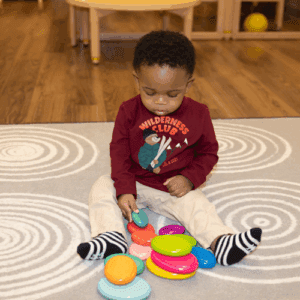
Children learn best by doing, not just by listening. Active learning is at the heart of an effective social-emotional curriculum. Instead of passively receiving information, children need opportunities to actively practice new skills through hands-on activities. This could look like role-playing how to ask a friend to share, working together on a building project, or playing a game that requires cooperation. This approach makes learning engaging and helps children internalize skills so they can use them in real-life situations. It’s about creating an environment where children can practice new skills in a supportive setting.
Focused Goals
An effective curriculum is intentional. Rather than a scattered approach, it has focused goals that are dedicated to developing specific personal and social skills. This means the program has a clear vision for what it wants to help children achieve, whether it’s learning to manage frustration, communicate needs clearly, or work as part of a team. Having focused goals allows our exceptional educators to tailor activities to the developmental needs of the children in their care, ensuring that every lesson is purposeful and contributes to your child’s emotional growth.
Explicit Instruction
While much of social-emotional learning happens through play and interaction, there are times when skills need to be taught directly. Explicit instruction means that skills are clearly named, explained, and practiced. This doesn’t mean sitting kids down for a lecture. Instead, a teacher might say, “I see you’re feeling disappointed that playtime is over. Let’s try taking three deep ‘lion breaths’ to help our bodies feel calm.” By using clear and simple language, educators make abstract concepts like self-regulation concrete and accessible. This direct approach ensures that the skills taught are clearly named and understood.
A Curriculum Grounded in Child Development
An effective curriculum is grounded in solid child development research. We know that children learn best when they feel safe and connected. Studies show that when children have trusting relationships with their teachers, they are more confident to explore, ask questions, and solve problems. That’s why a key part of any great program is a focus on hiring and training exceptional educators who know how to build these warm, secure bonds. The curriculum itself should be intentional, using proven approaches to help children understand their emotions, show empathy for others, and build positive relationships. It’s about creating a foundation that supports their mental health and gets them excited to learn.
Integrating Social Skills into Everyday Play
The most powerful learning happens when children don’t even realize it’s happening. Instead of sitting down for a formal lesson on “how to be a good friend,” an effective curriculum integrates these skills into daily activities. A teacher might read a story about a character who feels sad and ask the children, “How do you think he feels? What could we do to help?” This turns storytime into a lesson on empathy. Building a block tower together becomes a chance to practice teamwork and problem-solving. This approach, which is central to our Project Approach, allows children to learn and practice crucial social skills in real, meaningful situations that are part of their natural play.
Activities That Grow with Your Child
Social-emotional skills develop over time, and a great curriculum recognizes this. The support a toddler needs is very different from what a four-year-old is ready for. For younger children in our Toddler Classrooms, the focus might be on learning to identify basic feelings like happy or sad and practicing simple sharing strategies. As they grow, the activities become more complex. In our Preschool Classrooms, children learn to handle more complicated social situations, like how to join a game that’s already started or what to do when a friend says something unkind. By tailoring activities to each developmental stage, we provide the right challenges and support to help every child build confidence and competence at their own pace.
A Focus on Diversity and Inclusivity
A truly great social-emotional curriculum does more than teach children how to manage their feelings; it helps them appreciate the wonderful differences in the people around them. It’s about creating a classroom where every child, regardless of their background, abilities, or personality, feels a true sense of belonging. This isn’t just about being nice; it’s about actively teaching empathy and respect as core skills. By exploring different perspectives through stories, conversations, and play, children learn how to build positive relationships with everyone. This focus on inclusivity prepares them to navigate a diverse world with kindness and understanding, ensuring every child feels seen, valued, and celebrated for who they are.
Examples of Well-Regarded Social-Emotional Curricula
While many programs focus on social-emotional learning, some have a long track record of success and are backed by solid research. These curricula provide a clear framework for teachers, ensuring that this crucial learning is a consistent and intentional part of every day, not just an afterthought. This consistency is key for children’s development, as it provides a common language for both educators and families to use when talking about feelings and social skills. Different schools may choose different programs based on their unique philosophy, but the best ones share the same core goals: to nurture emotionally intelligent, empathetic, and resilient children.
Knowing what these high-quality programs look like can help you understand what to look for in a childcare center. They often include specific lessons, puppets, stories, and songs designed to make abstract concepts like empathy and problem-solving concrete and accessible for young children. These tools empower our exceptional educators to guide children through real-life social situations with care and intention. Below are a few examples of well-regarded curricula that are widely used in the field of early childhood education to help children build a strong social-emotional foundation.
Al’s Pals
Al’s Pals is a comprehensive program designed specifically for preschool-aged children. It uses engaging puppets, songs, and stories to teach children essential life skills in a fun and interactive way. The curriculum focuses on helping little ones learn how to make healthy decisions, solve problems with their peers, and manage their feelings in constructive ways. By giving children a vocabulary for their emotions and practical strategies for handling social situations, Al’s Pals helps build a positive, caring classroom community where children feel safe and supported as they learn to build good relationships.
The HighScope Preschool Curriculum
The HighScope curriculum places a strong emphasis on the power of positive adult-child interactions. Rather than just a set of lessons, it’s a philosophy that guides how teachers engage with children throughout the day to support their development. The social-emotional component focuses on helping children understand who they are and how to get along with others. This approach empowers teachers to use everyday moments—from playtime to snack time—as opportunities to help children develop self-awareness, empathy, and problem-solving skills. The Social and Emotional Development guide shows educators how to create a supportive environment where children learn to build strong relationships naturally.
Positive Action
Positive Action is a well-established, research-based program that teaches both social-emotional skills and good character. It operates on the simple and powerful idea that when you feel good about yourself, you are more likely to do positive things. The curriculum provides lessons and activities that help children understand and manage their feelings, build healthy relationships, and make thoughtful choices. By focusing on self-concept, Positive Action helps children develop a strong inner compass, equipping them with the skills they need to interact with the world in a kind, responsible, and respectful way.
Common Hurdles for Parents (and How to Clear Them)
Supporting your child’s social-emotional growth is one of the most important things you can do as a parent, but it’s not always easy. Life is busy, and it’s completely normal to feel unsure or overwhelmed at times. The good news is that you don’t have to be a perfect parent to raise an emotionally healthy child. Small, consistent efforts make a huge difference.
Let’s walk through some of the most common challenges parents face and explore simple, practical ways to handle them. Remember, you’re not alone in this, and there are always strategies to help you and your child thrive.
“Am I Doing This Right?”
This question is a near-universal part of the parenting experience. It’s easy to second-guess yourself, but you can feel confident knowing that your positive influence comes from simple, everyday connections. You don’t need grand gestures, just consistent, high-quality moments together. Engaging in meaningful conversations while you make dinner or sharing a story before bed strengthens your bond and builds your child’s emotional foundation. At Strong Start, we believe in partnering with parents to create a supportive network, so you always have a resource to turn to when you need reassurance. Your presence and love are your child’s greatest tools for growth.
Finding Time in a Hectic Schedule
Between work, errands, and managing a household, finding extra time can feel impossible. Instead of trying to add another task to your list, try weaving social-emotional learning into your existing daily routines. For example, you can make car rides a time for “feeling check-ins” or turn dinner into a moment to share the best part of your day. Creating intentional time doesn’t have to mean clearing an hour in your calendar. It can be as simple as putting phones away during meals to be fully present. These small pockets of connection foster emotional awareness and show your child they are a priority, even on the busiest days.
Managing Your Own Big Feelings
Children are incredibly perceptive, and they often learn how to handle their emotions by watching us. This can feel like a lot of pressure, especially when you’re stressed or tired. The key isn’t to hide your feelings but to model healthy ways of managing them. It’s okay to say, “I’m feeling a little frustrated right now, so I’m going to take a few deep breaths.” Taking care of your own well-being is critical. When you know where to turn with your concerns, you can address challenges more effectively. Our exceptional educators are trained in child development and are here to support your entire family’s emotional health.
When Others Don’t Share Your Approach
As your child’s world expands, so do the influences from friends, media, and the community. It can be challenging to ensure they’re receiving consistent, positive messages. The best approach is to build a strong “web of support” that includes your family, friends, and your child’s school. Open communication is key. When home and school work together, we can create an environment where your child feels safe and understood. This collaboration helps make your child’s emotional wellness a shared priority, reinforcing the skills they learn in the classroom and practice at home. You are your child’s most important guide, and we’re here to be your trusted partner.
What Social-Emotional Learning Looks Like at Each Age
Just like learning to walk or talk, a child’s social and emotional skills develop in stages. What a baby needs to feel secure is very different from what a preschooler needs to learn about sharing. A great social-emotional curriculum meets children exactly where they are, providing the right support at the right time. It’s a gentle, intentional process that builds from one stage to the next, creating a strong foundation for all the learning and growing to come.
At Strong Start, we tailor our approach to fit each age group, from our littlest infants to our confident preschoolers, ensuring every child gets the tools they need to thrive.
For Infants & Toddlers: Building Trust and Secure Attachments
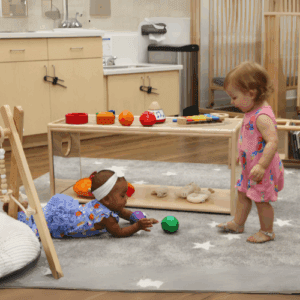
For our littlest learners, feeling safe and secure is everything. This is where social-emotional learning begins. Responsive interactions and guidance from caregivers significantly influence a child’s social-emotional growth. In our infant and toddler classrooms, our educators focus on creating warm, trusting relationships. By responding to a baby’s cues with gentle care, we help them understand that their needs will be met. Establishing secure attachments during these early years is the bedrock of healthy emotional development, teaching children that the world is a safe place to explore and learn.
For Preschoolers: Practicing Empathy and Cooperation
As children enter the preschool years, their world expands to include more friendships and group activities. This is when they start learning how to play with others, share, and understand another person’s feelings. We use stories, circle time, and collaborative play to introduce these big ideas in a fun, accessible way. Children with a strong foundation in emotional literacy tend to have more positive relationships and feel happier. In our preschool classrooms, we teach social and emotional skills that help children develop empathy and learn what it means to be a good friend.
For Pre-K: Taking on More Complex Social Situations
Between the toddler and preschool years, children in our bridge classrooms are ready to tackle more complex social situations. This is a time of incredible growth, where they begin to understand social rules and solve problems with their peers. We teach specific strategies for handling common challenges, like how to take turns with a popular toy or what to do when a friend says, “You can’t play with us.” By practicing these skills in a supportive environment, children develop the social competence they need to handle peer interactions with confidence and kindness, preparing them for the social dynamics of preschool and beyond.
A Day in the Life: Social-Emotional Learning in Action
Social-emotional learning isn’t a class that happens for 30 minutes on a Tuesday. It’s a way of being. In our classrooms, these skills are woven into the rhythm of every single day, from the moment your child arrives to the final wave goodbye. It’s in the way we greet each other, solve problems, and celebrate our successes. Think of it as the invisible thread that connects every activity, turning playtime into a lesson on sharing, storytime into a conversation about empathy, and snack time into an opportunity for patience.
Our educators are experts at spotting these teachable moments and gently guiding children through them. When a conflict arises over a toy, it’s a chance to practice communication and compromise. When a child feels frustrated trying to build a tall tower, it’s an opportunity to work on resilience. We believe that children learn best by doing, and our entire day is designed to give them a safe and supportive space to practice these essential life skills. The daily schedule is intentionally structured to include a mix of group activities, independent exploration, and quiet moments, all of which contribute to your child’s social and emotional growth. You can see how these moments fit together by taking a look at what your child’s day with us looks like.
Morning Check-Ins: How Are We Feeling Today?
The first thing we do each morning is connect. Our teachers greet every child with a warm welcome, creating a sense of belonging from the very start. We begin our day with a feeling check-in, which might look like pointing to a face on a feelings chart, sharing a “weather report” of our emotions, or simply talking about how we feel. This simple routine does something powerful: it gives children the words to name their emotions. By building trusting relationships and making it safe to share, we help children understand that all feelings are okay. This daily practice is the first step in learning how to manage those feelings in a healthy way.
Practicing Skills Through Role-Play and Quiet Moments
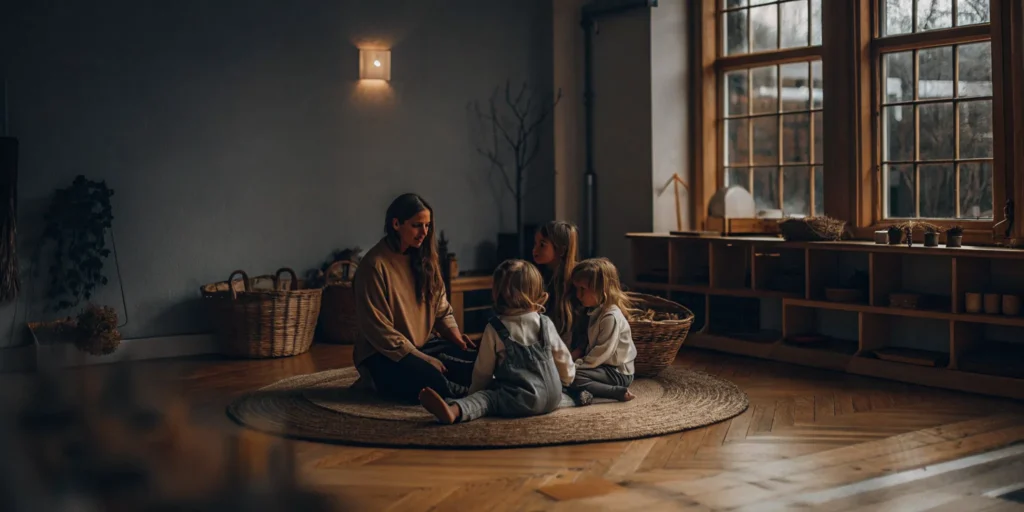
Throughout the day, we use stories and play to explore social situations. During circle time, we might read a book about a character who feels left out and ask, “How do you think they feel? What could we do to help?” This helps children see things from another person’s perspective. We also teach children how to find their calm. Our classrooms have cozy, quiet corners where a child can go to take a break and reset. We practice simple, mindful moments, like taking slow, deep “belly breaths” to cool down when we feel upset. These tools help children develop self-regulation skills they can use both in and out of the classroom.
Collaborative Play and Gratitude Practices
So much of our day is spent learning and playing together. Whether it’s a group art project where everyone adds to a mural or a building challenge where children collaborate to create a giant structure, we are constantly practicing teamwork. These cooperative learning games teach children how to share ideas, take turns, and work toward a common goal. We also make gratitude a regular practice. At the end of the day, we might go around the circle and share one thing we are thankful for. This simple act helps children focus on the positive, appreciate one another, and build a strong, caring classroom community where everyone feels valued.
Finding the Right Childcare: What to Look For
When you’re touring a childcare center, it’s easy to focus on the physical space: the colorful toys, the tiny tables, and the playground. But the heart of a program that truly supports your child’s growth lies in its approach to social-emotional learning. Knowing what to look for can help you find a place where your child will feel safe, understood, and ready to learn. As you explore your options, keep an eye out for these three essential elements. They are the building blocks of a high-quality program that partners with you to help your child thrive.
Look for Teachers Who Nurture Emotional Growth
The most important feature of any classroom is the teacher. Look for educators who do more than just manage behavior; you want professionals who actively teach social and emotional skills on purpose. During your tour, watch how they interact with the children. Do they kneel to get on a child’s level? Do they use a calm, respectful tone? Great teachers build trusting relationships that make children feel secure enough to explore and learn. They know that a child’s emotional well-being is directly linked to their motivation and school performance. At Strong Start, we hire exceptional educators who are not just skilled but also deeply caring, creating a foundation of trust and respect in every classroom.
A Classroom That Feels Safe and Supportive
A classroom that supports social-emotional growth feels warm, welcoming, and predictable, yet flexible enough to meet individual needs. It’s a space where children’s feelings are validated and their efforts are celebrated. This kind of environment is shaped by a thoughtful social-emotional curriculum that is woven into every part of the day, from group activities to free play. The curriculum should be supported by caregivers who offer responsive interactions and gentle guidance. Notice if the classroom is organized in a way that encourages both independent play and small group collaboration. This intentional design helps children feel capable and connected, giving them the confidence to practice new social skills.
A School That Partners with You on Your Child’s Progress
You are your child’s first and most important teacher, so a strong partnership with your childcare provider is non-negotiable. Look for a school that prioritizes open, two-way communication. You should feel comfortable asking questions and know where you can turn with your concerns about your child’s development. The best programs provide regular, meaningful updates that go beyond daily reports on naps and snacks. They share observations about your child’s social interactions, emotional milestones, and problem-solving skills. This collaborative approach ensures that you and your child’s teachers are working together as a team. When everyone is on the same page, it’s easier to support healthy social-emotional development both at school and at home.
How to Choose the Right Program for Your Family
Choosing a childcare program is a big decision. You want a place that feels like a second home, where your child will be safe, happy, and supported. When it comes to social-emotional learning, not all programs are equal. To find the best fit, ask specific questions about a school’s approach to emotional growth. Considering who the program serves, how they teach, and how they involve families will help you see if it aligns with your values.
Target Population
When you’re exploring different programs, it’s helpful to understand who they are designed to serve. Some curricula, like Head Start, are specifically created to support children from certain backgrounds, ensuring they receive tailored social and emotional guidance. While many programs serve a broader community, a high-quality curriculum will always be thoughtfully designed to meet the developmental needs of the children in the classroom. The key is to find a program whose philosophy resonates with your family and where the approach to learning feels like a natural extension of your home.
Delivery Method
How a curriculum is taught is just as important as what is taught. The most effective programs don’t rely on a single method; instead, they weave social-emotional learning into every part of the day. This might include whole-class discussions during circle time, small group activities that encourage teamwork, and one-on-one moments where a teacher helps a child work through a specific feeling. This variety ensures every child can connect with the material in a way that makes sense for them. A dynamic delivery method makes learning feel less like a lesson and more like a natural part of playing and exploring with friends.
Family Engagement
Social-emotional skills take root at school, but they truly blossom at home. That’s why a strong partnership between educators and families is so important. An effective program will actively involve you in your child’s learning journey, providing resources like family letters and songs to continue the conversation at home. Look for a school that sees you as a partner and offers clear, consistent communication. At Strong Start, we believe that partnering with parents is essential. When home and school work together, we create a consistent, supportive environment where your child can practice these new skills with confidence.
Key Ingredients for a Successful Program
Beyond the specific curriculum, a few key elements separate a good program from a great one. These are the foundational commitments a school makes to ensure that social-emotional learning isn’t just a concept, but a lived reality in the classroom. When you see a deep investment in teacher support and a dedication to proven methods, you can feel confident that your child is in an environment designed to help them thrive emotionally and socially.
A Commitment to Teacher Training and Support
A curriculum is just a set of ideas on paper until a talented teacher brings it to life. For any social-emotional program to be successful, educators need comprehensive training and continuous support. This ensures they have the tools and understanding to create a nurturing classroom environment where every child feels seen and supported. Great teachers know how to spot teachable moments and guide children through big feelings with patience and empathy. According to the Learning Policy Institute, this kind of professional development is critical for a program’s success. It’s why we are so committed to our exceptional educators, providing them with the resources they need to foster your child’s emotional well-being.
Evidence-Based Programs with Expert Recognition
When you’re weighing your options, look for programs that use evidence-based curricula recognized for their positive impact. This means the approach is grounded in research and has been shown to work. For example, the Al’s Pals curriculum is recognized for its proven effects on children’s social skills, while programs like Positive Action meet rigorous standards set by the U.S. Department of Education. Another strong indicator of quality is accreditation from a respected organization. Our NAEYC Accreditation, for instance, signifies a commitment to the highest standards of early childhood education, including a strong focus on social and emotional development. These markers of excellence can give you confidence that a program is truly equipped to support your child’s growth.
Bring Social-Emotional Learning Home: Simple Ways to Support Your Child
The skills your child learns at school are just the beginning. As their first and most important teacher, you play a huge role in their social-emotional growth. The great news is that you don’t need a special curriculum or fancy tools to make a difference. We believe in partnering with parents to create a consistent and supportive environment for every child. By weaving simple practices into your daily life, you can reinforce what they learn in the classroom and help them build a strong emotional foundation for life.
Stick to Routines and Keep Communication Open
Children thrive on predictability. When they know what to expect, they feel safe and secure, which frees them up to explore their feelings without anxiety. A consistent daily routine provides this sense of stability. This doesn’t have to be rigid, but a general flow for meals, naps, and playtime helps. Within this structure, make time for open conversations. Ask about their day, listen to their stories, and share your own experiences. The predictable daily rhythm at our centers helps children feel secure, and you can create that same feeling of safety at home. These small moments of connection build trust and show your child that their feelings matter.
Read Stories and Play Games Together
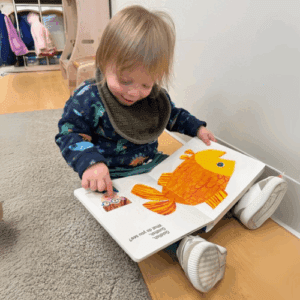
Reading together is one of the most powerful ways to explore the world of emotions. When you engage with stories, your child gets to see how different characters handle big feelings like anger, sadness, or joy. You can pause and ask questions like, “How do you think the bear is feeling right now?” This helps them develop empathy and understand that all feelings are valid. Cooperative games are another fantastic tool. Building a block tower together or working on a simple puzzle teaches teamwork, sharing, and how to manage frustration when things don’t go as planned. This approach mirrors our belief in learning through stories and hands-on discovery.
Name Feelings and Work Through Problems Together
Helping your child build an “emotional vocabulary” is a critical step. Start by naming their feelings in the moment: “You seem frustrated that your toy broke,” or “I can see you’re so happy to be at the park!” This validates their experience and gives them the words to express themselves. As they grow, you can introduce more complex emotions. You can also model healthy problem-solving out loud. For example, say, “I’m feeling a little overwhelmed by this mess. Let’s take three deep breaths and then make a plan to clean it up together.” This is a skill that preschoolers learn to master as they prepare for more complex social situations in school.
Our Favorite Books and Resources for Parents
Remember, you are not alone on this journey. Building a strong support network is just as important for you as it is for your child. Connect with your child’s teachers to discuss their progress and share what you’re seeing at home. Lean on other parents, share experiences, and offer each other encouragement. At Strong Start, we foster this sense of community through our Family Council and regular communication, creating a true partnership in your child’s development. Don’t hesitate to reach out to us or other trusted sources for guidance. Working together, we can create a web of support that helps every child flourish.
How to See Your Child’s Social-Emotional Growth
As a parent, you want to know that your child is not just happy at school, but also growing and developing. It can be hard to see the day-to-day progress, especially with skills as complex as managing emotions and making friends. At Strong Start, we don’t leave this to chance. We intentionally observe and support your child’s social-emotional journey, and we make sure you’re a part of it every step of the way. Tracking this growth is just as important as celebrating milestones like learning letters and numbers.
What to Look For: Key Developmental Milestones
Social-emotional milestones are the building blocks of a happy, healthy childhood. These are the skills that help children understand their feelings, show empathy for others, and build positive relationships. For a toddler, this might look like learning to take turns with a favorite toy. For a preschooler, it could be comforting a friend who is sad or using words to solve a disagreement. Children who are developing these skills are often more eager to learn and have a better attitude about school. We watch for these moments and gently guide your child toward them, celebrating small victories like sharing without being asked or successfully joining a group at play.
How We Partner with You to Track Progress
We track your child’s growth through careful, respectful observation, not tests or charts. Our educators are trained to notice the nuances of daily interactions. They document these moments to understand your child’s individual strengths and areas where they might need a little more support. This information allows us to tailor our approach and activities. Most importantly, we believe in partnering with parents through regular conversations and updates. When we build trusting relationships with children, they feel safe to ask questions, try new things, and express themselves. This open communication between home and school creates a consistent, supportive environment where your child can truly flourish.
The Lasting Impact on School Readiness and Confidence
The social-emotional skills your child learns today are the foundation for their success in kindergarten and beyond. School readiness isn’t just about knowing the ABCs; it’s about being able to follow directions, manage frustration when a task is hard, and work well with classmates. Children who have a strong social-emotional foundation are better equipped to handle the challenges of a formal school setting. Our Project Approach curriculum is designed to build these skills naturally through collaboration and problem-solving. By focusing on social-emotional learning now, we’re helping your child develop the confidence and resilience they’ll need for a lifetime of learning.
Related Articles
Frequently Asked Questions
Will a focus on social-emotional skills take time away from learning academics like letters and numbers? Not at all, it actually does the opposite. Think of social-emotional skills as the foundation that makes all other learning possible. A child who can manage frustration when a puzzle is tricky, focus during storytime, and ask a teacher for help is a child who is ready and eager to learn. These skills don’t compete with academics; they support them by creating a confident, resilient, and curious learner.
My child is just a toddler. Isn’t it too early to be thinking about this? It’s never too early, because social-emotional learning starts with the very first interactions. For infants and toddlers, this learning is all about building trust and secure relationships. When a teacher responds to a baby’s cries with comfort or helps a toddler express a need, they are building the bedrock of emotional health. The approach simply grows with your child, starting with security and evolving into more complex skills like sharing and empathy.
How is this different from just teaching my child to “be nice” or “share”? While being kind and sharing are wonderful outcomes, a social-emotional curriculum goes much deeper. Instead of just giving rules, it gives children the tools to understand their own feelings and the feelings of others. It’s about teaching them how to solve a problem when they and a friend both want the same toy, not just telling them to share. This approach helps children develop genuine empathy and problem-solving skills from the inside out.
What does social-emotional learning actually look like in the classroom? It’s woven into almost everything we do. It might look like a teacher helping two children use their words to work through a disagreement over a toy. It could be reading a story and pausing to ask, “How do you think that character feels right now?” It also happens during mindful moments, like when we practice taking slow, deep breaths to calm our bodies after an exciting time on the playground. These are all small, intentional moments that add up to big growth.
How will I know if my child is making progress? Progress in this area shows up in beautiful, everyday moments rather than on a report card. You might notice your child sharing a toy without being asked, using a word like “frustrated” to describe how they feel, or comforting a friend who is sad. Our educators are trained to spot these milestones, and we make it a priority to share these observations with you. This partnership between home and school is the best way to see and celebrate your child’s amazing growth.