You’ve done the online research. Now, the daycare tour is where your decision really starts to take shape. It’s your chance to feel the energy of the space, but what should you look for beyond clean floors and colorful toys? Finding the best daycare for babies. For a deeper look at what quality infant care looks like day-to-day, read our parent’s guide to infant care daycare is less about the facility and more about observing the interactions and feeling the community’s warmth. This guide will help you become an expert observer. We’ll cover exactly what to look for in a daycare for infants—from how teachers engage with children to the subtle cues that signal a positive, nurturing atmosphere. You’ll learn what to watch for and which questions to ask so you can confidently choose the right place for your child to thrive.
Key Takeaways
- Focus on the people and the place: The heart of a great daycare is its warm, responsive teachers and low infant-to-caregiver ratios. The physical space should also feel safe, clean, and thoughtfully designed to be a nurturing second home for your baby.
- Seek out purposeful, play-based learning: A quality infant program uses play to support development. Look for a daily routine rich with sensory exploration, tummy time, music, and interactive reading that encourages your baby’s natural curiosity.
- Find a true partner in your child’s care: The best daycare will build a strong relationship with your family. Prioritize centers that value open communication and see you as an essential partner in monitoring your child’s happiness and growth.
When to Start Your Daycare Search
One of the most common questions new parents ask is, “When should we start looking for daycare?” The answer often comes as a surprise: much earlier than you think. Finding the right fit for your family takes time, and the best centers often have limited availability, especially for infants. Giving yourself a generous runway allows you to research your options without pressure, schedule tours that fit your schedule, and get a feel for different environments. It transforms the search from a frantic scramble into a thoughtful process, ensuring you find a place where you and your child will feel comfortable and supported from day one.
Starting your search early also gives you the best chance of securing a spot at your preferred center. Many high-quality programs have waiting lists, and it’s wise to get on them as soon as you’re comfortable. According to BabyCenter, it’s a good idea to begin looking for daycare at least six months before you need it. This timeline gives you plenty of space to explore different philosophies, compare programs, and make a decision that feels right, not rushed. At Strong Start, we encourage families to schedule a visit well in advance to experience our community firsthand and understand our approach to early learning.
Understanding Waitlists and Timelines
Waitlists can seem intimidating, but they are a standard part of the childcare landscape, particularly for sought-after infant programs. They exist because of strict state-mandated teacher-to-child ratios designed to ensure every child receives attentive, individualized care. Getting on a waitlist doesn’t always guarantee a spot, but it’s the first and most important step. Don’t be discouraged if your top choice has a list; it’s often a sign of a well-loved, high-quality program. Ask about the length of the list, how often spots open up, and what the communication process is like for families who are waiting.
Planning for the Cost of Childcare
Childcare is a significant and important investment in your child’s future and your family’s well-being. Understanding the costs involved is a critical part of your planning process. The price of care can vary widely based on your location, the type of care you choose (center-based vs. in-home), and the age of your child, with infant care typically being the most expensive due to lower caregiver-to-child ratios. As you budget, think about the total value a program offers beyond just supervision, including curriculum, meals, enrichment activities, and the expertise of the educators. This perspective helps frame the cost as an investment in a comprehensive developmental experience.
Typical Costs for Daycare vs. In-Home Care
To create a realistic budget, it helps to know the typical cost of care in your area. National averages can provide a useful benchmark. For example, a 2022 BabyCenter report found that full-time daycare for an infant in a center could cost anywhere from about $5,357 to $17,171 per year, depending on where you live. Center-based care often includes a structured curriculum, socialization with peers, and access to a wide range of learning materials. In-home daycares are often a less expensive option, while a private nanny will be the most costly. Each option offers different benefits, so consider which environment best suits your child’s needs and your family’s budget.
Exploring Financial Assistance and Government Programs
Managing the cost of high-quality childcare is a common concern for many families, but there are resources available to help. Many employers offer benefits that can make a real difference, such as a Dependent Care Flexible Spending Account (DCFSA), which allows you to set aside pre-tax dollars for childcare expenses. Some companies also partner with specific centers to offer a tuition benefit to their employees. It’s also worth researching state and local government programs, as many offer subsidies or assistance to eligible families. Taking the time to explore these avenues can help make your ideal childcare choice more financially accessible.
Is There a “Best Age” to Start Daycare?
There is no single “best age” to start daycare that applies to every child and every family. The right time is deeply personal and depends on a variety of factors, including your parental leave, work schedule, financial situation, and your child’s individual temperament. Some families need to start care when their baby is just a few months old, while others may wait until the toddler years. The most important thing is to choose a path that aligns with your family’s unique needs and circumstances. Trust your instincts and focus on finding a high-quality, nurturing environment where your child will thrive, no matter when they begin their journey.
Why Your Family’s Needs Come First
Ultimately, the decision of when to start daycare is yours alone. As one expert on Instagram wisely put it, the best age is simply “whatever works for your family.” Instead of searching for a perfect number, focus on your readiness and your child’s. Are you comfortable with the transition? Have you found a center where you trust the educators and feel a strong sense of partnership? Answering these questions will guide you to the right timeline. A successful transition is less about the age on a calendar and more about the support system you have in place, both at home and at your chosen childcare center.
Developmental Considerations for Different Ages
While your family’s needs are paramount, it can be helpful to consider the developmental benefits of starting daycare at different stages. For infants, a quality program provides a safe, stimulating environment that supports the development of secure attachments with caring adults outside the family. As children enter the toddler years, typically around ages one to three, the social aspect of daycare becomes incredibly valuable. Many experts note this can be a beneficial time to start, as children begin to engage more with peers and can flourish in a structured social setting. Our toddler classrooms, for example, are designed to foster these budding social skills and language development through play and exploration.
What to Look for in a Daycare for Your Infant
Choosing a daycare for your infant can feel like one of the biggest decisions you’ll make as a new parent. You’re not just looking for a place to watch your baby; you’re searching for a second home where they will be safe, loved, and encouraged to grow. When you break it down, the best infant care programs excel in a few key areas. It’s about the people who will be cuddling your baby, the environment they’ll be exploring, and the thoughtful activities that will shape their day.
Think of it as finding a true partner in your child’s early development. A great daycare understands that every coo, crawl, and curious glance is a building block for learning. They create a world where your baby can thrive by focusing on a warm, responsive atmosphere that supports their natural curiosity. This means looking beyond a basic checklist and really getting a feel for the center’s philosophy and the people who bring it to life. By focusing on the right things, you can move past the overwhelming lists and confidently find a place that feels just right for your family. Let’s walk through the essential elements that separate a good daycare from a truly great one.
Why Qualified, Caring Teachers Matter Most
The heart of any infant program is its teachers. These are the people who will comfort your baby, celebrate their tiny achievements, and become their first friends outside of the family. Look for educators who are not only qualified on paper but also show genuine warmth, patience, and responsiveness. During your tour, watch how they interact with the infants. Do they get down on the floor, make eye contact, and speak in gentle, soothing tones? The connection between a caregiver and your baby is everything. You should also feel a comfortable and open line of communication with the staff, creating a supportive environment where you can partner with your child’s teachers to share insights and updates.
Are Teacher-to-Infant Ratios Low?
An infant needs a lot of one-on-one attention, and that’s only possible with low teacher-to-infant ratios. A smaller group size means your baby’s needs for feeding, changing, and comfort can be met quickly and lovingly. It also allows caregivers to form strong, secure bonds with each child, which is fundamental for emotional development. While states have minimum ratio requirements, many high-quality centers go above and beyond them. A ratio of one teacher to three or four infants is a great standard to look for. This ensures that each baby receives the individual care and interaction they need to feel secure and cherished throughout the day in their infant classroom.
Understanding NAEYC Ratio Recommendations
The National Association for the Education of Young Children (NAEYC) sets the benchmark for excellence in early learning. When a center is NAEYC-accredited, it signals a commitment to the highest standards, especially for teacher-to-child ratios. For infants, NAEYC recommends very small group sizes because the connection between a caregiver and your baby is everything. These low ratios ensure educators can provide the one-on-one attention needed to respond to each baby’s unique cues for feeding, comfort, and play. This responsive care is what helps build a secure and trusting bond, making your baby feel safe and loved. While state licensing sets a minimum bar, a center that follows NAEYC’s stricter guidelines is clearly dedicated to providing the highest quality environment for your child.
How to Spot a Safe and Nurturing Environment
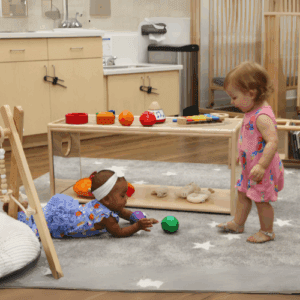
Your baby’s environment plays a huge role in their development. A great daycare provides a space that is meticulously safe, clean, and designed for the smallest learners. Look for secure entrances, covered outlets, and toys that are clean and age-appropriate. Beyond basic safety, the atmosphere should feel calm and nurturing. Is the lighting soft? Are there cozy areas for rest and soft surfaces for floor play? The room should be a sensory-rich space that invites curiosity, not one that feels overstimulating or chaotic. A center that prioritizes health and safety will have clear policies for everything from cleaning to emergency preparedness, giving you essential peace of mind.
Finding Programs That Support Your Baby’s Development
The best infant programs are built around the understanding that babies learn through play and exploration. A daily schedule shouldn’t be rigid, but it should include a thoughtful mix of activities that support key developmental milestones. Look for programs that incorporate plenty of tummy time for building strength, sensory play with different textures, and interactive reading or singing to foster early language skills. A curriculum inspired by philosophies like Reggio Emilia often uses a child’s natural curiosity to guide learning. The goal isn’t to rush development but to provide a rich, engaging environment where your baby can discover the world at their own pace.
How Daycare Supports Your Baby’s Milestones
Babies grow and change so much in their first year. It’s incredible to watch! As a parent, you want to know they’re in an environment that nurtures every new discovery. A high-quality daycare does just that. It’s not about rushing development, but about creating a rich, supportive space where your baby can hit their milestones naturally. Developmental milestones help caregivers recognize what skills are expected at different ages and celebrate what each child is accomplishing. This journey is a team effort, and a great daycare will focus on partnering with parents to share these exciting moments. Let’s look at a few key areas where a daycare setting can help your baby thrive.
The Critical Role of Early Brain Development
The first few years of your child’s life are a period of incredible growth, with about 80% of their brain developing before they even turn three. This rapid development isn’t just happening on its own; it’s built through every cuddle, conversation, and curious moment they share with the world. Children thrive when they have loving, responsive adults who engage with them, and this is where a high-quality infant program makes a significant difference. The best programs understand that babies learn through play and exploration. A curriculum inspired by philosophies like Reggio Emilia uses a child’s natural curiosity to guide learning, creating an environment rich with sensory experiences and gentle interactions. This approach doesn’t just keep your baby safe and happy; it actively builds a strong foundation for a lifetime of learning by nurturing their innate desire to discover.
Encouraging Your Baby’s Cognitive Growth
From the moment they’re born, babies are tiny scientists, developing skills and connections to understand their world. In a quality daycare, this curiosity is the main event. Your baby will explore cause and effect by shaking a rattle to hear its sound or dropping a block to watch it fall. They’ll start to grasp object permanence through games like peek-a-boo with their teachers. A well-designed infant classroom is filled with safe, stimulating materials that invite exploration. Teachers intentionally create experiences that encourage problem-solving and discovery, laying a strong foundation for a lifetime of learning.
Building Social and Emotional Skills
Feeling safe and loved is the bedrock of all learning for a baby. Healthy relationships early in life build a secure base for them to explore from. In a daycare setting, your baby forms strong bonds with their teachers, who provide consistent, responsive care. These exceptional educators learn your baby’s unique cues and personality, making them feel seen and understood. This is their first experience building trusting relationships outside the family. They also get to observe other babies, learning the earliest lessons in social interaction by watching, smiling, and cooing alongside their peers. This nurturing environment helps them build emotional resilience and confidence.
Supporting Physical and Motor Skill Development
Your baby’s first year is full of physical firsts, from rolling over to that exciting first step. A great daycare provides the space and encouragement for all of it. With plenty of floor space for tummy time, your baby can strengthen their neck and back muscles, which is crucial for sitting and crawling. Teachers provide age-appropriate toys that encourage reaching and grasping, helping to refine those tiny hand muscles. At around six months, you’ll see them start to reach for a toy they want, put things in their mouth to explore, and laugh at themselves in a mirror. A daycare environment is designed to safely support every wiggle, roll, and wobble.
Laying the Foundation for Language and Communication
Long before they say their first word, babies are communicating. A daycare classroom is a wonderfully language-rich environment that supports this early development. Your baby will be surrounded by words all day as teachers talk, sing, and read to them. This constant exposure builds critical neural pathways for language. Teachers engage in “conversations” with the babies, responding to their babbles and coos as if they’re talking. This back-and-forth exchange teaches the rhythm and turn-taking of communication. This approach, which values listening and expression, is a core part of learning philosophies like The Project Approach, helping your baby build a strong foundation for speaking and listening.
How the Daycare Environment Shapes Infant Growth
Choosing a daycare is a huge decision, and a big part of that is understanding how the environment will shape your baby’s earliest experiences. A high-quality daycare is more than just a safe place; it’s designed to support every aspect of your infant’s growth. The right setting provides a foundation for emotional security, social awareness, and intellectual curiosity from the very beginning.
Why Strong Bonds with Caregivers Matter
At the heart of a great infant program are the people. Your baby needs to form a strong, secure bond with their caregivers to feel safe and loved. This connection is the foundation for everything else. When an infant trusts their teacher, they feel confident enough to explore, play, and learn. That’s why consistent, nurturing care from exceptional educators is so critical. Seeing the same warm, responsive faces each day helps your baby build that essential trust, creating a secure base from which they can confidently discover the world around them.
Learning to Socialize in a Group Setting
Even as tiny infants, children are social beings. A group care setting provides unique opportunities for your baby to learn by watching and interacting with others. They see how other babies move, hear their sounds, and observe how teachers respond to everyone. These early experiences are the first steps in developing social skills. While they aren’t having conversations, they are learning about turn-taking and being part of a community. Our infant classrooms are designed to foster these gentle, positive interactions, helping your baby become aware of the world beyond their own needs.
What a Stimulating Environment Looks Like
A baby’s brain develops rapidly, and they learn about the world through their senses. A thoughtfully designed daycare provides a rich tapestry of things to see, touch, and hear. Think soft rugs for tummy time, interesting textures on toys, and the gentle sounds of music and conversation. This sensory-rich space encourages curiosity and movement. Our approach is guided by our Reggio Emilia inspiration, which views the environment as a “third teacher.” Every material is chosen with intention to invite exploration and support your baby’s physical and cognitive development as they make sense of their surroundings.
What to Look For During Your Daycare Tour
Once you’ve narrowed down your options, the tour is your chance to see a daycare in action. This is about more than just looking at the classrooms; it’s an opportunity to feel the energy of the space, observe how teachers interact with the children, and ask specific questions. A great daycare will feel warm, engaging, and safe from the moment you walk in. Pay attention to your gut feeling. Do the babies seem happy and content? Are the caregivers attentive and genuinely connected to the children? This visit is your best tool for determining if a center’s philosophy truly matches its daily practice and if it feels like the right community for your family.
Your Tour Checklist: Questions to Ask
Come prepared with a list of questions to make the most of your tour. Start with the big picture: ask about their learning philosophy and how it guides the daily routine. For example, how do they tailor activities to support each infant’s unique needs and interests? It’s also essential to ask about the people who will be caring for your baby. Inquire about staff qualifications, including their experience with infants, and whether they have certifications in CPR and first aid. Learning about the center’s commitment to hiring and supporting exceptional educators will give you confidence in the quality of care your child will receive.
Essential Questions About Health, Safety, and Curriculum
Digging deeper, ask specific questions about the daily nuts and bolts. A center’s commitment to health and safety is non-negotiable, so inquire about their cleaning schedules, sick-child policies, and emergency procedures. Then, turn your attention to the curriculum. The best infant programs are built on purposeful play and exploration. Ask how their daily routine supports key developmental milestones. What does sensory play look like in their infant classrooms? How often do they incorporate reading and singing to foster early language skills? Understanding how they tailor activities to encourage your baby’s natural curiosity will show you if their approach aligns with your family’s values and supports a strong foundation for growth.
Red Flags to Watch For
While you’re looking for all the positives, it’s just as important to keep an eye out for potential red flags. High staff turnover can be a major one. Consistency with caregivers is crucial for helping infants form secure attachments, so ask about teacher tenure and how the center supports its staff. Take a close look at the environment itself. Does it appear clean and well-maintained? Are the toys in good condition and age-appropriate? A center that prioritizes health and safety will have clear policies for cleanliness, safe sleep, and childproofing that they are happy to share with you. An evasive or vague answer to any of your questions should also give you pause.
Warning Signs of an Unsuitable Daycare
Trust your gut during the tour. If the atmosphere feels chaotic, disorganized, or unwelcoming, that’s a significant sign. Observe the caregivers closely. Do they seem stressed, overwhelmed, or disengaged from the infants? A lack of warm, responsive interaction is a major concern. Also, look at the children. While a few tears are normal, the overall mood shouldn’t be one of distress or boredom. Happy, engaged babies are a sign of a nurturing environment. Finally, pay attention to how your questions are answered. If the director or staff seem defensive or unwilling to provide clear answers about their policies, it can indicate a lack of transparency. A great daycare will welcome your questions as part of building a strong parent partnership.
How Do They Handle Daily Routines and Communication?
A predictable yet flexible routine helps babies feel secure. Ask what a typical day looks like for an infant, including how they handle naps, feedings, and playtime. The best infant programs build their schedules around each child’s individual rhythms rather than a rigid clock. Just as important is how they’ll share information with you. Find out what communication tools they use. Will you get daily reports, photos, or have opportunities for regular check-ins? Strong partnering with parents is the foundation of great childcare, ensuring you always feel connected and informed about your child’s day and development.
Activities That Nurture Your Infant’s Development
A great infant program is built on more than just meeting a baby’s basic needs for feeding and napping. It’s about creating a world of intentional experiences that spark curiosity and support growth every single day. The right activities help your baby build crucial neural connections and lay the foundation for future learning. When you tour a daycare, look for signs that play is purposeful. Are teachers on the floor interacting with the babies? Are the materials and toys thoughtfully chosen to encourage exploration? These moments of guided play are where the magic happens, helping your little one make sense of the world around them.
At Strong Start, we believe that learning begins at birth, and our approach is centered on nurturing this innate desire to discover. Our educators are trained to see every interaction as a learning opportunity, from singing a song during a diaper change to describing the texture of a soft toy. This responsive caregiving ensures that your baby feels safe, seen, and stimulated. Understanding what these developmental activities look like can help you feel confident in choosing a program that will truly help your infant thrive during these critical early months.
Encouraging Sensory Play and Exploration
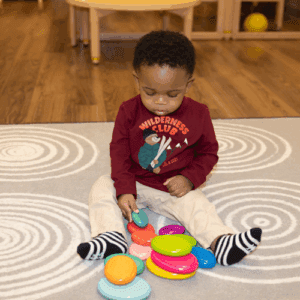
Babies are natural scientists, and their primary tools for discovery are their five senses. High-quality infant classrooms are designed to be rich sensory environments. This includes activities like feeling different textures (soft blankets, bumpy balls, cool metal spoons), safe water play, or listening to gentle music and nature sounds. Sensory play isn’t just for fun; it helps build nerve connections in the brain’s pathways, which supports language development, cognitive growth, and motor skills. By providing a variety of materials to see, hear, and touch, caregivers give your baby endless opportunities to learn and understand their surroundings in a safe, engaging way.
Using Interactive Reading for Early Language
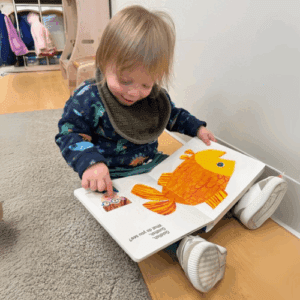
Long before they can say their first word, babies are absorbing language. Consistent, interactive communication is key to their development. In a nurturing daycare setting, this happens all day long. Caregivers talk to infants during diaper changes, narrate what’s happening during feeding time, and sing songs during play. Reading board books aloud is another powerful tool. Even if your baby is more interested in chewing on the book than listening, they are still benefiting from the rhythm of your voice and the new vocabulary. This constant exposure to language helps them recognize sounds and eventually connect words with objects and people.
How Music and Movement Support Brain Development
Music and movement are incredible for your baby’s developing brain. Simple activities like singing lullabies, playing with shakers, or gently bouncing to a beat help your infant learn about rhythm and patterns, which are foundational concepts for math and language. Movement, whether it’s reaching for a toy or enjoying a gentle “dance” with a caregiver, helps your baby develop body awareness and coordination. Our enrichment programs incorporate these elements because they stimulate multiple areas of the brain at once, supporting everything from emotional regulation to motor planning. It’s a joyful way to encourage whole-child development from the very beginning.
The Role of Tummy Time and Physical Play
Tummy time is one of the most important physical activities for your baby. It’s a workout that strengthens their neck, shoulder, back, and core muscles. These are the muscles they’ll need to eventually roll over, sit up, crawl, and walk. A great daycare makes tummy time a positive and regular part of the daily routine. To make it more engaging, caregivers might place a colorful toy just out of reach to encourage stretching or lie on the floor with your baby to offer smiles and encouragement. This dedicated time for physical play is essential for helping your baby reach important milestones and build a strong, capable body.
Daycare vs. In-Home Care: What’s Best for Your Family?
Choosing between a daycare center and in-home care is one of the first major decisions you’ll make as a parent. There’s no single right answer, and what works for one family might not work for another. The best approach is to understand the unique benefits of each option and see how they align with your child’s personality, your family’s needs, and your long-term goals. Let’s look at what each setting has to offer.
What Are the Social Benefits of Daycare?
A high-quality daycare provides a wonderful environment for social development. In a group setting, your baby will be around other children and trusted adults, creating daily opportunities to learn about sharing, taking turns, and solving simple problems. This early exposure helps build a strong foundation for making friends later on. Daycare also offers a structured routine with age-appropriate activities that stimulate learning and prepare children for school. With the guidance of exceptional educators, infants are encouraged to explore, communicate, and build confidence in a community setting. This consistent social interaction is key for developing empathy and communication skills from a very young age.
What Are the Advantages of In-Home Care?
For some families, in-home care with a nanny or relative is the ideal choice. The primary advantage is the one-on-one attention your child receives. This can be especially beneficial for infants who may need a quieter, more predictable environment. In-home care also offers convenience, as it eliminates the need for daily drop-offs and pick-ups, and your child remains in the comfort of their own home. Another potential benefit is reduced exposure to the common colds and illnesses that circulate in group settings. This option provides a highly personalized care experience tailored specifically to your child’s individual routine and needs.
Potential Downsides and Challenges to Consider
Every childcare option comes with its own set of trade-offs, and being realistic about them is key to making a choice you feel good about. Whether you’re leaning toward a daycare center or in-home care, it’s helpful to think through the potential challenges of each. This isn’t about finding a perfect solution—it’s about finding the best fit for your family’s specific needs, priorities, and lifestyle. By understanding the potential downsides of both paths, you can ask better questions during your search and feel more prepared for whatever you decide. This clear-eyed view helps ensure there are no surprises down the road.
Potential Challenges in a Daycare Setting
One of the most common concerns parents have about daycare is illness. When children are in a group setting, they are exposed to more germs, and it’s true that your baby might catch more colds during their first year. While this is a normal part of building a strong immune system, it’s also why a center’s commitment to health and safety is non-negotiable. Another consideration is that the environment can be more stimulating than home. While a quality program is designed to be nurturing, not chaotic, it’s still a busier setting. This makes it essential to find a center with low teacher-to-infant ratios, ensuring your baby still gets plenty of personal attention from loving caregivers.
The Responsibilities of Hiring a Nanny
While in-home care offers dedicated one-on-one attention, it also comes with significant responsibilities. When you hire a nanny, you become an employer. This means you are responsible for managing payroll, withholding taxes, and handling all the legal requirements that come with it, which can be complex and time-consuming. You also need a solid backup plan for when your nanny is sick, takes a vacation, or unexpectedly resigns. Unlike a daycare center that has multiple staff members, relying on one person can leave you scrambling for care. Additionally, while convenient, this option may offer fewer opportunities for your baby to develop early social skills by observing and interacting with peers in a structured infant classroom environment.
How to Choose What’s Right for You
To find the best fit, take some time to reflect on your family’s unique situation. Consider your child’s temperament: are they energized by being around others, or do they thrive in quieter settings? Think about your budget and work schedules to determine what is most practical. Also, consider your hopes for their early development. Do you prioritize early socialization and a structured curriculum, or is individualized attention more important right now? Trust your intuition. The goal is to find a safe, loving, and stimulating environment where your child will be happy. A strong childcare provider will feel like a true partner, supporting your family every step of the way through open communication with parents.
How to Evaluate a Daycare’s Approach to Learning
Beyond the basics of safety and scheduling, a daycare’s philosophy on learning is what shapes your child’s daily experiences. Every center has a unique approach to how infants explore, learn, and grow. Understanding these differences helps you find a program that not only cares for your baby but also nurtures their budding curiosity. When you tour a center, think of yourself as a detective looking for clues about their educational values. Do they see children as active participants in their own learning? How do they structure their day to support discovery? Finding a daycare whose approach aligns with your family’s values can make all the difference in your child’s early development and your own peace of mind.
Why NAEYC Accreditation Matters
When you see that a daycare is accredited by the National Association for the Education of Young Children (NAEYC), it’s a clear sign of quality. This isn’t just a sticker on the door; it means the center has voluntarily gone through a rigorous process to prove it meets the highest standards in early childhood education. NAEYC accreditation evaluates everything from teacher qualifications and curriculum to health standards and family partnerships. For parents, this provides an extra layer of confidence. It shows the daycare is committed to creating a rich, supportive environment that is focused on what’s best for your child’s development and learning.
What Are the Different Learning Philosophies?
Daycare programs often follow specific educational philosophies, and it’s helpful to know what they are. You might hear terms like Montessori, play-based, or Reggio Emilia. Each one offers a different perspective on how children learn best. For example, a center with a Reggio Emilia inspiration believes that children are capable and curious learners who can guide their own discovery through projects and exploration. During your tour, ask the director to describe their approach in simple terms. There’s no single “best” philosophy; the goal is to find one that feels like a natural fit for your child and your family’s beliefs about learning.
How They’ll Track Your Child’s Progress
A great daycare doesn’t just care for your infant; it actively observes and supports their growth. Ask how the teachers monitor developmental milestones. Do they use a formal checklist, keep portfolios with photos and notes, or have another system in place? The best programs see this as a partnership. They should be able to share meaningful observations about your baby’s day, from their fascination with a new sensory toy to their first attempts at babbling. This ongoing communication is key to partnering with parents effectively. It ensures that you and your child’s teachers are working together to celebrate every new skill and provide the right support at the right time.
How to Vet a Daycare’s Health and Safety Standards
When you’re choosing a daycare, nothing is more important than your child’s well-being. A beautiful classroom and an impressive curriculum mean little if the fundamental standards of health and safety aren’t being met. This is the bedrock of quality care. Before you fall in love with a learning philosophy or a bright, sunny playroom, it’s essential to confirm that the center has rigorous policies in place to keep your baby safe and healthy. A truly great daycare will be transparent about these procedures and welcome your questions. By focusing on licensing, staff training, and daily health protocols, you can feel confident that you’re leaving your child in the best possible hands.
How to Check Licensing and Inspection Reports
First things first: make sure any daycare you consider is licensed by the state. This is the baseline requirement, confirming the center meets mandatory health and safety standards. Don’t just take their word for it; you can typically find licensing status and recent inspection reports online through your state’s department of health or human services. These reports give you an unbiased look at the center’s history, noting any violations and how they were corrected. Beyond state licensing, look for additional credentials like NAEYC accreditation, which signifies a commitment to meeting even higher standards of quality and safety. This due diligence provides a solid foundation for your decision.
Ask About Emergency Plans and Staff Training
You need to know that the staff is prepared for any situation. Ask for specifics about their emergency plans, including procedures for fires, medical emergencies, or building lockdowns. How often do they practice these drills? Equally important is the training each caregiver receives. Are all staff members certified in infant and child CPR and first aid? What are the qualifications of the exceptional educators who will be caring for your baby? A well-prepared team is a non-negotiable. Their confidence and readiness to handle the unexpected will give you invaluable peace of mind every single day.
Look for Clear Health and Cleanliness Policies
A healthy environment is a safe environment. During your tour, observe the center’s cleanliness and ask about their specific health policies. How often are toys and surfaces sanitized? What are the handwashing protocols for both children and staff? Pay close attention to their sick-child policy. While it might seem inconvenient, a strict policy that requires sick children to stay home is a major green flag. It shows the center is serious about preventing the spread of illness and protecting all the children in their care. A center that prioritizes health and safety will have clear, consistent answers to all these questions.
How to Monitor Your Baby’s Progress After Enrollment
Once you’ve chosen a daycare, your journey as a parent-partner begins. It’s completely normal to wonder how your little one is adjusting and growing in their new environment. Monitoring your baby’s progress isn’t about checking boxes on a chart; it’s about observing their happiness, building a strong relationship with their teachers, and feeling confident in your choice. A great daycare will welcome your questions and work with you to ensure your baby is thriving, seeing you as an essential part of their team.
This partnership is built on open communication and shared goals for your child’s well-being. You know your baby best, and their teachers will get to know them in a different context, offering valuable insights into their social interactions and learning patterns. Together, you can create a supportive network that celebrates every new discovery and milestone. At Strong Start, we believe that partnering with parents is fundamental to a child’s success and happiness. By staying connected and observant, you can feel secure knowing your infant is in a place where they can truly flourish. This ongoing conversation helps create a seamless experience for your baby, where the care they receive at school complements the love and support they get at home.
What Are the Signs of a Happy, Thriving Infant?
You’ll know your baby is adjusting well when you see signs of comfort and engagement. While every baby is different, a happy infant in a daycare setting will generally seem relaxed with their caregivers, show curiosity about their surroundings, and participate in daily activities. Look for simple cues: Do they smile when they see a familiar teacher? Are they interested in the toys and other children? Do they eat and sleep reasonably well during the day? These are all positive indicators that they feel safe and secure.
It’s also helpful to keep an eye on their developmental milestones. From babbling and laughing to reaching for objects and recognizing themselves in a mirror, these small steps show that your baby is learning and growing. Don’t treat this as a strict checklist, but rather as a general guide to celebrate their progress. A thriving baby is one who is given the space and encouragement to explore the world at their own pace.
How to Partner with Your Child’s Teachers
Your child’s teachers are your greatest allies. They spend their days observing, interacting with, and caring for your baby, giving them a unique perspective on their development. Make it a point to build a strong, open line of communication with them from day one. Use drop-off and pick-up times for quick check-ins about your baby’s mood, sleep, and feeding schedule. Ask questions like, “What was the best part of her day?” or “Did he try anything new today?”
These conversations provide a window into your child’s day and show that you value the teacher’s role. A good educator will share both the sweet moments and any potential concerns. They are trained to notice developmental patterns and can be an incredible resource if you have questions about a specific milestone or behavior. By working together, you create a consistent and supportive environment for your baby both at home and at daycare.
When Should You Re-evaluate Your Daycare Choice?
Trust your intuition. If you have a persistent feeling that something isn’t right, it’s worth paying closer attention. While some fussiness at drop-off is normal, prolonged distress that doesn’t improve after a few weeks could be a sign that the environment isn’t the right fit. Other things to watch for include a lack of communication from the center, frequent unexplained bumps or bruises, or your baby consistently coming home hungry, thirsty, or exhausted.
It’s also important to be an advocate for your child’s development. While every child grows at their own pace, understanding the typical developmental milestones can help you spot potential concerns early. If you notice your baby isn’t meeting several milestones for their age, start a conversation with their teacher and your pediatrician. It may not be an issue with the daycare, but open dialogue is the first step to getting your child the support they need.
Related Articles
Frequently Asked Questions
How can I build a strong partnership with my infant’s teacher? Building a great relationship starts with open, consistent communication. Use those brief moments at drop-off and pick-up to share important details, like how your baby slept the night before or if they’re teething. Also, trust their expertise. Your child’s teachers have a unique view of your baby’s social development and daily discoveries. Asking for their observations shows you value their role and helps you work together as a team.
How long will it take for my baby to adjust to daycare? Every baby is different, but it’s very normal for there to be an adjustment period of a few weeks. You might see some tears at drop-off, which can be tough, but this usually subsides shortly after you leave. The key is consistency. A predictable routine helps your baby learn to trust their new caregivers and environment. A good sign of adjustment is seeing your baby become calm and engaged soon after you depart.
What’s a reasonable sick policy, and should I expect my baby to get sick often? A strict sick policy is actually a green flag. It shows the center is serious about protecting all the children. While it’s true that babies in group care are exposed to more germs and may get sick more often in their first year, this helps build their immune system over time. A center with rigorous cleaning protocols and a clear policy about when sick children must stay home is doing its part to keep everyone as healthy as possible.
How important is it that the daycare’s daily schedule matches my baby’s routine at home? For infants, the best programs don’t follow a rigid clock; they follow the baby’s individual needs for sleeping and eating. The goal isn’t a perfect match but rather open communication. Share your baby’s typical rhythm with their teachers, and they should share how the day went at school. Over time, they will work with you to help your baby settle into a predictable, comfortable routine that works both at home and in the classroom.
Beyond the checklist, what’s the most important thing to trust when making a final decision? After you’ve checked for licenses, asked about ratios, and observed the classrooms, trust your gut feeling. The most important factor is the warmth and responsiveness of the caregivers. You should feel a genuine sense of comfort and connection with the people who will be cuddling, comforting, and encouraging your baby all day. If a center feels right and the interactions you see are loving and respectful, that’s a powerful indicator you’ve found a wonderful place.
Written By
Marc Hoffman
Founder, Strong Start Early Care & Education
Marc founded Strong Start in 2014, inspired by his studies at Williams College, Yeshiva University, and research at Yale University. His child-centered, inquiry-based approach to early education has helped hundreds of families in the Trumbull and Bridgeport communities. As a parent himself, Marc understands the importance of finding a nurturing environment where every child can learn, grow, and flourish.