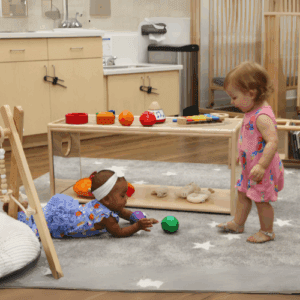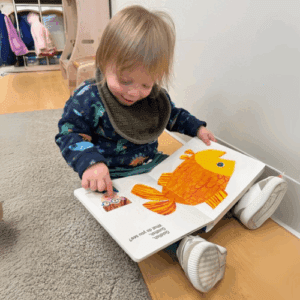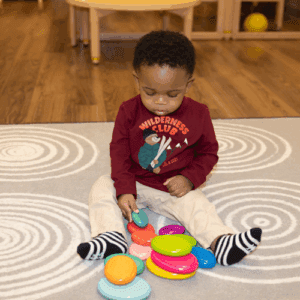

It’s a question every parent has: What does a baby actually do all day at “school”? It’s so much more than just naps and feedings. The first year of life is a period of incredible brain development, and a high-quality program is designed to nurture that growth. Through intentional play, sensory exploration, and warm, responsive interactions, your infant builds the foundational skills for a lifetime of learning. This is the heart of high-quality early learning for infants Bridgeport CT—creating a safe, stimulating, and loving environment where your child’s natural curiosity is celebrated. Let’s take a look at what a typical day looks like.
Key Takeaways
- Focus on the fundamentals of quality care: When you visit a center, look for three key things: official accreditation like NAEYC, qualified and caring educators, and clear health and safety rules you can see in action.
- Understand the power of a balanced day: A great infant program provides both predictable routines that help your baby feel safe and engaging, play-based activities that spark their natural curiosity and support their development.
- Be an active partner from the start: The process begins with practical steps like touring schools and asking about financial aid, but your most important role is building a strong relationship with your child’s teachers through open communication.
Finding the Right Infant Program in Bridgeport, CT
Choosing the right infant program is a big decision, but it doesn’t have to be overwhelming. The key is finding a place that aligns with your family’s values and provides a safe, nurturing environment for your baby. Bridgeport offers a variety of early care options, each with its own unique approach. By understanding what to look for in a program’s philosophy, classroom structure, and daily schedule, you can confidently find the perfect fit for your little one.
Understanding Different Program Philosophies
When you tour different schools, you’ll hear about their educational philosophies. These are the core beliefs that guide how teachers interact with children and plan their day. For example, some programs are inspired by the Reggio Emilia approach, which sees children as curious individuals with a natural desire to explore. In these classrooms, learning happens through hands-on activities and creative play. Understanding a program’s philosophy gives you a clear picture of your child’s daily experiences and helps you find a school that feels right.
What to Expect in Various Age Groupings
High-quality infant programs are designed to meet the specific developmental needs of babies. Unlike programs for older children, the focus in infant classrooms is on creating a warm, responsive environment where your child feels safe and loved. The curriculum is built around play-based activities that encourage sensory exploration and help your baby build a foundation for learning. As children grow, activities adapt to support their developing skills. This age-appropriate approach ensures every child is engaged and nurtured at their own pace, fostering a genuine excitement for discovery.
The Benefits of Full-Day Early Care
For many working families, a full-day program is a necessity. These programs offer care during standard work hours, providing a reliable and consistent routine for you and your child. Beyond convenience, a full-day schedule creates a stable environment where your infant can form strong bonds with caregivers and peers. This consistency is incredibly comforting for young children. Having dedicated teachers who know your child’s unique personality is essential for building the positive relationships that help them feel secure and ready to learn about your child’s day.
How Early Learning Helps Your Infant Thrive
It might feel strange to think about “school” for a baby who can’t even sit up yet, but the first year of life is a period of explosive growth. High-quality early learning programs are designed to nurture this incredible development. They provide a safe, stimulating, and caring environment where your infant can explore the world around them. It’s not about formal lessons; it’s about creating rich experiences that support your baby’s natural curiosity and lay the foundation for a lifetime of learning.
Supporting Early Brain Development
Your infant’s brain is building connections at an amazing rate, and every new sight, sound, and texture helps wire it for learning. In a quality infant program, educators are intentional about providing rich sensory experiences through songs, stories, and gentle conversation. Simple activities like looking at high-contrast images or feeling different fabrics help them make sense of their world. This purposeful play is the work of infancy, creating a strong framework for future cognitive skills. A well-designed infant classroom is a space where your baby is free to safely explore, all while being supported by responsive caregivers who understand what they need to thrive.
Nurturing Social and Emotional Skills
Long before they can share toys, infants are learning critical social and emotional lessons. The most important is trust. When a caring educator responds promptly and warmly to your baby’s needs, your baby learns that the world is a safe and predictable place. This secure attachment is the bedrock of healthy emotional development. Being around other infants also provides early social exposure, as they watch and learn from one another. Our exceptional educators are skilled at fostering these first relationships, helping each child feel seen, valued, and secure as they begin to understand themselves and others.
Encouraging Physical Growth and Motor Skills
From the first wobbly head lifts to the triumphant first steps, your infant is on a mission to master their body. Early learning centers provide a safe and encouraging environment for this physical journey. There’s plenty of floor space for tummy time, soft places to practice rolling and sitting up, and interesting toys to encourage reaching and grasping. As they grow, they’ll have opportunities to pull up and cruise along sturdy furniture. This freedom to move is essential for developing coordination, balance, and confidence. Our enrichment programs support this with playful activities that build strong bodies and a love for movement.
Understanding the Cost of Infant Care in Bridgeport
Figuring out the cost of infant care is a huge piece of the puzzle when you’re choosing a program. It’s important to find a place that not only feels right for your baby but also fits your family’s budget. The good news is that many high-quality early learning centers in the Bridgeport area offer financial structures and assistance programs designed to make care more accessible. Understanding these options can help you find an exceptional program for your infant without causing financial strain.
How Sliding Scale and Income-Based Fees Work
Many early learning programs in our community use a sliding scale fee structure. This is a flexible approach that adjusts the cost of tuition based on your family’s income and size. The goal is to make sure every child has access to quality care, regardless of their family’s financial situation. For example, some local early learning programs explain that fees are based on a low-cost sliding scale, which means the cost is tailored to what your family can reasonably afford. This model helps create a diverse and inclusive environment while providing some peace of mind for your budget. When you tour a center, always ask if they offer an income-based fee structure.
Exploring Financial Aid and Funding Options
Beyond sliding scales, there are other financial resources available to help families. The most prominent program in our state is Care 4 Kids, which helps low to moderate-income families in Connecticut pay for child care costs. Many centers in Bridgeport accept Care 4 Kids funding, making it a vital resource for the community. When you’re researching schools, look for information on whether they accept state assistance. As the DeLuca Early Learning Center notes, combining a sliding scale with
Finding Discounts for Multiple Children
If you have more than one young child, you know that child care costs can add up quickly. To support growing families, many centers offer a sibling discount. This typically means you’ll receive a percentage off the tuition for your second or third child enrolled in the program. It’s a common and helpful policy that can make a real difference in your monthly expenses. Some centers explicitly state that discounts are available for families with more than one child enrolled. When you’re comparing programs, be sure to ask about their specific policies for siblings. It’s a practical benefit that acknowledges the financial commitment of raising multiple children.
Your Checklist for Choosing a High-Quality Program
Look for NAEYC Accreditation
When you start touring different centers, you might see a lot of different certifications and awards. The one you really want to look for is accreditation from the National Association for the Education of Young Children (NAEYC). Think of it as the gold standard for early learning programs. To earn this, a center has to meet rigorous standards in ten key areas, including curriculum, teaching, and health. A program with NAEYC accreditation shows a deep commitment to providing the highest quality care and education. It’s a clear sign that the center is focused on creating the best possible environment for your child’s growth and development, giving you peace of mind.
Ask About Educator Qualifications
The heart of any infant program is its teachers. These are the people who will be cuddling, comforting, and encouraging your baby every day, so you want to make sure they are warm, knowledgeable, and experienced. When you visit, ask about the teachers’ backgrounds. Do they have degrees in early childhood education? What kind of ongoing training do they receive? A program that invests in its staff is investing in your child. Having exceptional educators who understand infant development means your baby will get responsive, individualized care that supports their unique needs and helps them form secure, trusting relationships from the very beginning.
Review Health and Safety Protocols
Nothing is more important than your child’s well-being. A high-quality program will be transparent and proud of its health and safety measures. Look for details like secure building access, a clear policy for visitors, and designated safe sleep spaces for infants. Ask about cleaning routines, handwashing procedures, and how they handle illnesses to keep everyone healthy. The staff should all be trained in first aid and CPR. Seeing these comprehensive health and safety practices in place allows you to feel confident and comfortable leaving your little one in their care, knowing they are in a protected and nurturing space.
Inquire About the Learning Approach
Every early learning center has a philosophy that guides its approach to teaching. For infants, you want a program that sees them as curious, capable individuals right from the start. Look for a curriculum that is play-based and responsive to each child’s interests and developmental stage. An environment rich with sensory experiences, opportunities for movement, and gentle encouragement helps build a strong foundation for future learning. Philosophies like Reggio Emilia inspire programs to create beautiful, engaging spaces where even the youngest learners can explore and make discoveries. This approach ensures your baby’s day is filled with joyful, meaningful interactions.
A Glimpse into Your Infant’s Day
Wondering what your baby will actually do all day at an early learning center? It’s a question every parent asks. A high-quality infant program is a vibrant environment designed to support your child’s incredible growth during their first year. The day is thoughtfully structured to blend comforting routines with gentle stimulation, creating a space where your baby feels safe, loved, and ready to explore. Your child’s day is a careful balance of individual care, group interaction, and peaceful rest, all guided by educators who are experts in early childhood development.
The Importance of Daily Routines
For infants, the world is a brand new, and sometimes overwhelming, place. That’s why predictable routines are so important. A consistent schedule for feeding, playing, and napping helps your baby feel secure and understand what to expect next. This sense of safety is the foundation for all learning and development. When a baby feels safe, they are free to be curious and engage with their surroundings. Our educators work closely with you to learn your infant’s unique rhythms and needs, creating a personalized daily flow that feels familiar and comforting. This partnership ensures a smooth transition between home and school.
Learning Through Play and Discovery
You might be surprised to learn that your infant’s most important work is play. Every coo, grasp, and wiggle is a form of learning. In our infant classrooms, we create a rich sensory environment where babies can safely explore and make new discoveries. This includes activities like tummy time to build strength, playing with textured toys to develop motor skills, and listening to songs and stories to support early language acquisition. Inspired by the Reggio Emilia approach, we view infants as capable and curious individuals. Our educators act as guides, observing your child’s interests and providing materials that spark their natural desire to learn.
Balancing Activity with Rest
An infant’s brain develops at an amazing pace, and all that learning requires plenty of rest to process and consolidate. A well-balanced day includes both active, engaging playtime and quiet periods for rest and sleep. We ensure that our classrooms provide a peaceful and safe environment for napping, with individual cribs and a calm atmosphere that promotes restorative sleep. Quiet time isn’t just for napping, though. It also includes gentle activities like cuddling with a caregiver or looking at soft picture books. This rhythm of activity and rest helps prevent overstimulation and supports your baby’s emotional regulation and overall well-being.
The Enrollment Process: Step-by-Step
Finding the right early learning program is a big decision, but the enrollment process doesn’t have to be complicated. Most schools follow a similar path designed to help you get to know them and ensure a smooth start for your family. It generally begins with a visit, moves on to paperwork, and includes a clear discussion about tuition and financial aid. Thinking about it as a series of small, manageable steps can make the entire experience feel much more approachable. Let’s walk through what you can typically expect.
How to Schedule a Tour
The very best way to know if a center is right for your family is to see it for yourself. Scheduling a tour allows you to walk through the classrooms, observe the interactions between educators and children, and get a real sense of the daily atmosphere. This is your chance to ask questions and make sure the environment feels warm, safe, and engaging. Most centers, including our Trumbull and Shelton schools, make it easy to schedule a visit online or with a quick phone call. It’s an important first step that helps you picture your own child thriving there.
Preparing Your Application and Documents
Once you’ve decided on a program, the next step is the application. The school will provide you with a packet of forms to complete, which usually includes questions about your child’s health, emergency contacts, and any special needs or allergies. You’ll also need to gather a few key documents. Typically, this includes a copy of your child’s birth certificate, up-to-date immunization records, and proof of residency. It’s a good idea to ask for a full checklist upfront so you can gather everything you need without feeling rushed. Our Frequently Asked Questions page can also help clarify what to expect.
Applying for Financial Assistance
High-quality infant care is an investment, and many programs offer ways to make it more affordable. Don’t hesitate to ask about financial assistance options. Many centers in Connecticut accept state programs like Care 4 Kids, which helps low to moderate-income families pay for child care costs. Some schools also offer their own assistance, with fees based on a low-cost sliding scale. This means the amount you pay depends on your family’s income and size, ensuring that exceptional early education is accessible. You can learn more about our approach to tuition and benefits on our website.
Partnering with Your Child’s Educators
Starting your infant in an early learning program is a big step, and you are their most important advocate. The relationship you build with their educators is more than just a series of drop-offs and pick-ups; it’s a true partnership. When parents and teachers work together, it creates a consistent, supportive world for your child, bridging the gap between home and school. This collaboration ensures your child feels secure and understood, which is the foundation for all learning and development.
Open communication helps teachers understand your child’s unique personality, needs, and what’s happening at home. In turn, you get valuable insights into their daily experiences, milestones, and friendships. This teamwork is essential. In fact, many educators believe that family involvement is a very important part of a program’s success. At Strong Start, we see this every day. We believe in partnering with parents to create a circle of care around every child, making their first school experience a positive and nurturing one. This strong connection helps you feel confident in the care your child is receiving and allows educators to tailor their approach to better support your infant’s growth. It’s about creating a team with a shared goal: helping your little one thrive.
Staying Connected with Teachers
Building a strong connection with your infant’s teachers starts with consistent communication. Make the most of those brief moments at drop-off and pick-up to share quick updates. Many centers also use apps for real-time photos, feeding schedules, and nap reports, which are fantastic for staying in the loop about your child’s day. Don’t hesitate to schedule a call or meeting if you have bigger questions or want to discuss your child’s progress. Remember, teachers want to hear from you! Your insights from home are invaluable and help them provide the best possible care for your little one.
Getting Involved in the School Community
Becoming part of the wider school community can enrich your family’s experience and show your child that you value their new environment. Many programs offer wonderful opportunities for families to connect. You’ll find that parents are often encouraged to get involved by attending monthly meetings, volunteering for special events, or joining in on workshops. At Strong Start, our Family Council is a great example of this, giving parents a voice in the school community. Participating is a fantastic way to meet other families, build a support network, and play an active role in your child’s education.
Building a Strong Parent-School Partnership
A true partnership is a two-way street, built on trust and mutual respect. Look for a program where the staff actively works to involve parents in their child’s education. This means they don’t just share information, but they also listen to your goals and concerns for your child. Some programs even provide a dedicated advocate to help families build relationships and find resources. This commitment from exceptional educators makes all the difference. When you feel heard, respected, and supported, you can confidently work together to create a wonderful and enriching experience for your infant.
Related Articles
Frequently Asked Questions
What does “learning” even look like for a baby who can’t talk or walk yet? That’s a great question. For infants, learning isn’t about lessons or flashcards; it’s about exploring the world through their senses. A high-quality program creates a rich environment where your baby learns by feeling different textures, hearing new songs and stories, and seeing engaging objects. This purposeful play, guided by caring educators, helps build crucial brain connections and nurtures their natural curiosity, laying a strong foundation for all future learning.
How can I be sure the program I choose is truly high-quality and safe? The best indicator of quality is NAEYC accreditation, which means a center meets the highest national standards for early education. When you tour a school, you can also look for specific signs of a safe and nurturing environment. Ask about their safe sleep policies for infants, their cleaning procedures, and the qualifications of their educators. A great program will be proud to share this information and will have clear, consistent protocols in place.
I’m worried about the cost of full-time infant care. What are my options? It’s true that infant care is a significant investment, but many programs in the Bridgeport area have systems to make it more manageable. When you research schools, ask if they accept state assistance programs like Care 4 Kids. You should also inquire about income-based or sliding scale fee structures, which adjust tuition based on your family’s income to make care more accessible.
What if my baby has a hard time adjusting to a new routine? This is a common and completely normal concern for parents. A strong infant program will prioritize a smooth transition by partnering with you. Educators will talk with you extensively to understand your baby’s unique schedule, preferences, and temperament. They will work to mirror your home routines as much as possible, creating a predictable and comforting day that helps your baby feel secure and build trust with their new caregivers.
How will I stay connected and know what my baby is doing all day? A strong partnership between parents and educators is key, and communication is a huge part of that. Most high-quality centers use a combination of methods to keep you in the loop. This often includes a mobile app for real-time updates on naps, feedings, and diaper changes, along with photos of their activities. You can also expect opportunities for quick chats at drop-off and pick-up, as well as more formal conferences to discuss your child’s development.
Written By
Marc Hoffman
Founder, Strong Start Early Care & Education
Marc founded Strong Start in 2014, inspired by his studies at Williams College, Yeshiva University, and research at Yale University. His child-centered, inquiry-based approach to early education has helped hundreds of families in the Trumbull and Bridgeport communities. As a parent himself, Marc understands the importance of finding a nurturing environment where every child can learn, grow, and flourish.