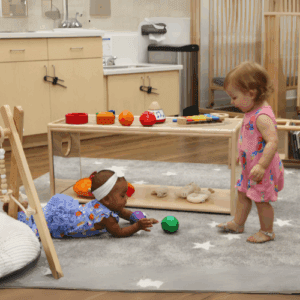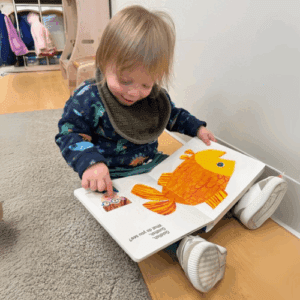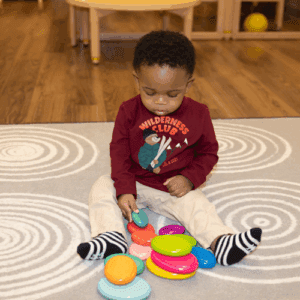
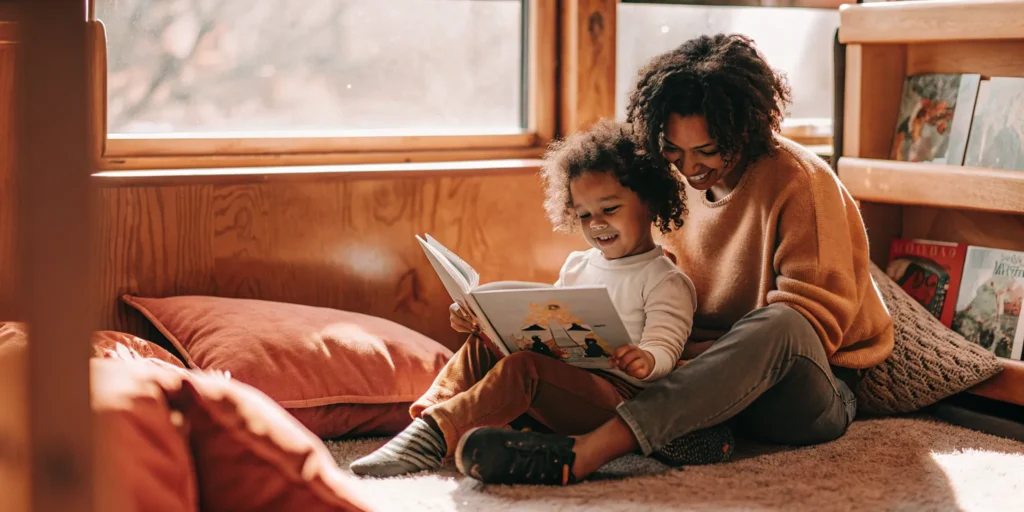
You are your child’s first and most important teacher, especially when it comes to understanding big emotions. But you’re not in it alone. A strong partnership with your child’s school creates a consistent, supportive world for them to grow in. This guide is all about strengthening that connection. We’ll explore the key skills of social emotional learning preschool children need and show you how to team up with their educators. By working together on skills like emotional self management, we can reinforce the same positive messages, helping your child build the confidence and resilience they need to thrive.
Key Takeaways
- SEL is the Foundation for School and Life: Social-emotional skills are just as important as ABCs for school readiness. By teaching your child to name their feelings, manage their reactions, and understand others, you’re equipping them with the tools for better focus, stronger friendships, and lifelong resilience.
- Turn Everyday Moments into Learning Opportunities: You don’t need special lessons to teach SEL. Integrate it into your daily routine by talking about a storybook character’s feelings, naming emotions as they happen, or practicing calming breaths together. These small, consistent actions make a big impact.
- Create a Consistent and Supportive Environment: Children thrive when the messages they receive at home and school are aligned. Create a safe space for feelings at home, model healthy emotional responses, and communicate openly with your child’s teacher to build a strong, unified team for their development.
Why Social-Emotional Learning is a Game-Changer for Preschoolers
As parents, we spend a lot of time teaching our kids the essentials—how to tie their shoes, say “please” and “thank you,” and recognize their ABCs. But what about teaching them how to understand their big feelings, make a new friend, or work through a frustrating problem? That’s where social-emotional learning, or SEL, comes in. Think of it as the curriculum for developing a kind, confident, and resilient human being.
Social-emotional learning is the process of developing the skills to understand and manage emotions, set and achieve positive goals, feel and show empathy for others, establish and maintain positive relationships, and make responsible decisions. It’s not just a nice-to-have; it’s a fundamental part of a child’s development. When we focus on SEL, we’re giving children the tools they need to not only succeed in school but to thrive in every area of their lives. At Strong Start, we see SEL as the foundation upon which all other learning is built, and we believe that partnering with parents is the best way to nurture these essential skills.
Building the Foundation for Emotional Intelligence
Emotional intelligence—the ability to perceive, use, understand, and manage emotions—is one of the greatest predictors of success and happiness in life. And it all starts with social-emotional learning in early childhood. When children learn to recognize and name their feelings, they take the first crucial step toward managing them. A child who can say, “I’m feeling frustrated because my tower fell,” is far less likely to simply knock over a friend’s blocks in response.
This early emotional awareness helps children handle challenges, connect with their peers, and feel more secure in learning environments. The entire framework of SEL is built on five key areas: self-awareness, self-management, social awareness, relationship skills, and responsible decision-making. Mastering these skills gives your child a compass for life.
The Research Behind SEL’s Impact
A Smart Investment in Your Child’s Future
Research consistently shows that when social-emotional learning is woven into the fabric of early education, the benefits are clear and long-lasting. It’s more than just a passing trend; it’s a smart investment in your child’s future well-being and academic journey. Studies find that children in programs with a strong SEL focus exhibit fewer behavioral problems and show significant improvements in their overall happiness and emotional health. This positive shift creates a solid foundation, making it easier for them to absorb new information, engage with peers, and develop a genuine love for learning. According to early childhood resource Brightwheel, this focus ensures that children have fewer negative behaviors and their overall well-being improves, setting them on a path for success.
Preparing for the Skills of Tomorrow
The skills your child develops through SEL are the very same ones they’ll need to thrive throughout their lives. We’re talking about the ability to manage their feelings when things don’t go their way, set small goals like finishing a puzzle, understand a friend’s perspective, and make responsible choices. The Collaborative for Academic, Social, and Emotional Learning (CASEL) highlights that SEL helps students learn these critical life competencies. These aren’t just “soft skills”; they are essential for building positive relationships, collaborating on projects, and developing the resilience needed to face challenges in school and beyond. By nurturing these abilities now, you’re preparing your child for a future where emotional intelligence is just as valued as academic knowledge.
Why Teachers Prioritize Social-Emotional Needs
Experienced educators understand a simple truth: a child’s emotional state directly impacts their ability to learn. A preschooler who feels anxious, overwhelmed, or disconnected will struggle to focus on a story or participate in a group activity. That’s why our exceptional educators prioritize creating a classroom environment where children feel safe, seen, and emotionally supported. As experts at the Virtual Lab School note, a child’s emotional health in their early years strongly affects their friendships and overall well-being. When a child’s social and emotional needs are met, they are more confident, curious, and ready to engage. This focus isn’t separate from academics—it’s the very thing that makes meaningful learning possible.
How SEL Prepares Your Child for Life
The benefits of focusing on social-emotional skills go far beyond a more peaceful playroom. Research consistently shows that children who participate in SEL programs have better attitudes about school, fewer behavioral problems, and a stronger sense of emotional well-being. They develop emotional resilience, which is a fancy way of saying they can handle stress and bounce back from setbacks—a skill every adult knows is invaluable.
This emotional stability also has a direct impact on academics. When a child feels confident and knows how to persevere through a tough task, they’re better equipped to learn to read or solve a math problem. By nurturing these skills in our preschool classrooms, we’re not just preparing children for kindergarten; we’re giving them a toolkit for building healthy relationships, making thoughtful choices, and leading fulfilling lives.
The 5 Building Blocks of Social-Emotional Learning
Social-emotional learning isn’t just one single skill; it’s a whole set of abilities that work together. Think of them as the essential tools your child will use to understand their feelings, connect with others, and make thoughtful choices throughout their life. At Strong Start, we focus on five core areas that form the foundation of emotional intelligence. By nurturing these skills, we help children build a strong inner compass that will guide them through preschool, kindergarten, and beyond. These aren’t abstract concepts—they are practical skills that show up in the sandbox, during circle time, and at the dinner table.
Understanding the CASEL Framework
To give these five building blocks a bit more structure, many educators and schools, including ours, look to the CASEL framework. CASEL, which stands for the Collaborative for Academic, Social, and Emotional Learning, is a trusted organization that has organized SEL into those five core competencies we just mentioned: self-awareness, self-management, social awareness, relationship skills, and responsible decision-making. Think of it as a roadmap that helps us intentionally weave these skills into everyday activities. Our curriculum, inspired by approaches like Reggio Emilia, naturally supports this framework by encouraging children to explore their feelings, collaborate with peers on projects, and solve problems together, making learning these life skills a seamless part of their day.
Self-Awareness: Helping Your Child Name Their Feelings
This is the starting point for everything. Self-awareness is your child’s ability to recognize their own emotions and thoughts and understand how they affect their actions. It’s the moment a toddler can say, “I’m mad!” instead of just throwing a toy, or when a preschooler realizes they feel nervous about trying something new. It’s also about recognizing their own strengths and interests—knowing they’re a great builder or a kind friend. By helping children find the words for their feelings, we give them the power to understand themselves. This focus on self-expression is a key part of our approach to learning, empowering children to know themselves better.
Self-Management: Guiding Them Through Big Emotions
Once a child can name a feeling, the next step is learning what to do with it. Self-management is the ability to handle those big emotions in healthy ways. This means learning to manage stress, control impulses, and stay motivated even when things get tricky. For a preschooler, this might look like taking a few deep breaths when they feel frustrated, waiting their turn for the slide, or sticking with a puzzle even when it’s hard. It’s not about suppressing feelings, but about learning to respond to them thoughtfully instead of reacting instantly. This skill is crucial for developing resilience and self-control.
Social Awareness: Seeing the World Through Others’ Eyes
Social awareness is about looking outside of oneself and learning to see things from other people’s perspectives. It’s the foundation of empathy and kindness. This skill helps children understand social cues, appreciate diversity, and feel compassion for others. You’ll see it in action when your child notices a friend is sad and offers a hug, or when they work together with classmates on group projects. They learn that others have feelings and experiences that might be different from their own. This ability to understand and respect others is essential for building positive relationships in a diverse world.
Relationship Skills: Helping Your Child Make and Keep Friends
This is where all the other skills come together to help children connect with others. Relationship skills are all about building and maintaining healthy friendships. This includes communicating clearly, listening to others, sharing, taking turns, and working together to solve problems. It also involves knowing how to ask for help and how to offer it to a friend in need. When children learn to navigate disagreements with words instead of fists, they’re building a critical life skill. These abilities are the building blocks of teamwork, collaboration, and the meaningful friendships that make life rich.
Responsible Decision-Making: Guiding Them to Think First
This skill involves making constructive and respectful choices about personal behavior and social interactions. For young children, this isn’t about complex moral dilemmas, but about simple, everyday actions. It’s the choice to ask for a turn instead of grabbing a toy, to help a friend who has fallen, or to follow the rules to keep everyone safe. We encourage children to think about the consequences of their actions—how will this make my friend feel? Is this a safe choice? By practicing this, they learn to make safe and thoughtful choices based on fairness, safety, and kindness.
How to Team Up with Your Child’s Teacher on SEL
Your child’s social-emotional growth isn’t something that only happens at school or only at home—it’s a team effort. When parents and teachers work together, children get a consistent, supportive message about how to understand and manage their feelings. This partnership is the foundation for helping them build confidence. At Strong Start, we believe that partnering with parents is essential. Open communication creates a bridge between your child’s two most important worlds, ensuring the skills they learn in the classroom are reinforced at home, and vice versa.
Create a Safe Space for Feelings
The first step in a strong partnership is open and honest communication. When you and your child’s teacher are on the same page, you can address challenges before they become bigger issues. Make a point to check in regularly, even for a few minutes at drop-off or pick-up. Share what’s going on at home—like a new sibling or a change in routine—that might affect your child’s emotions. In turn, ask the teacher for their observations. This creates a full picture of your child’s experience and helps both of you provide the best support.
Be the Role Model They Need
Children learn how to handle emotions by observing the adults in their lives. At home, you can model healthy emotional expression by naming your own feelings calmly. Saying, “I’m feeling a little frustrated, so I’m going to take a deep breath,” shows them a constructive way to cope. Our exceptional educators use these same techniques in the classroom, demonstrating empathy and patience. When children see the important adults in their lives managing feelings constructively, they learn they can do it, too.
Turn Daily Routines into Learning Moments
You don’t need special lesson plans to teach social-emotional skills; the best learning opportunities happen during everyday activities. Turn playtime into a lesson on sharing, or use story time to talk about a character’s feelings. At dinner, you could share one happy and one tricky moment from the day. These small, consistent practices build emotional vocabulary and empathy. To align your efforts, ask your child’s teacher about the routines they follow. Understanding what your child’s day looks like at school can give you ideas for reinforcing these skills at home.
Classroom Strategies You Can Use at Home
Many of the simple, effective strategies we use in the classroom can be beautifully adapted for home life. You don’t need a chalkboard or a lesson plan; you just need a little intention. Bringing these practices into your family routine helps reinforce what your child is learning at school, creating a consistent world where they feel secure and understood. It’s about finding small ways to build big skills, like responsibility and cooperation, right in your living room. These strategies strengthen your child’s social-emotional toolkit and deepen your connection as a family, turning everyday moments into powerful learning opportunities.
Giving Your Child Classroom Jobs
In our classrooms, every child has a role, from line leader to plant waterer. These “jobs” are more than just chores; they build a sense of community and personal responsibility. You can create the same feeling at home by giving your child simple, age-appropriate family jobs. This could be as easy as being the “napkin helper” at dinner, the “sock matcher” on laundry day, or the “toy librarian” in charge of putting books back on the shelf. When children have a consistent role, they feel like valued, contributing members of the family. This practice helps them learn to work together, take pride in their contributions, and understand the building blocks of teamwork and collaboration.
Creating Family Rules Together
Rules feel more meaningful to children when they have a voice in creating them. Instead of just laying down the law, sit down together and create a short list of family rules. Frame them positively, like “We use kind hands and gentle words” instead of “No hitting.” When you involve your child in the process, you’re teaching them about responsible decision-making. This skill is all about making respectful choices in social situations. By discussing why these rules are important—to keep everyone safe and happy—you help them understand the impact of their actions. This collaborative approach gives them ownership over the family guidelines and makes them more likely to follow them.
The Power of Intentional Teaching
The most impactful social-emotional learning doesn’t happen in a formal lesson; it’s woven into the fabric of your day. You are already teaching these skills every time you comfort your child, talk through a problem, or celebrate a small victory. The power comes from being intentional. You don’t need special activities; the best opportunities arise naturally. Turn playtime into a lesson on sharing, or use story time to talk about a character’s feelings and choices. By simply naming emotions and modeling thoughtful responses, you are providing a masterclass in emotional intelligence. This approach mirrors how children learn best—through experience, inquiry, and connection, which is central to our Project Approach to learning.
Keep a Consistent Approach at Home and School
Consistency is key for young children. When they receive the same messages about handling emotions at home and at school, the lessons stick. Talk to your child’s teacher about the specific language and strategies they use, like a “calm-down corner” or a specific breathing technique. Using similar approaches at home creates a predictable and secure environment for your child to practice their new skills. This shared strategy is a core part of our Reggio Emilia inspiration, which views the environment as a teacher, helping children feel safe enough to explore their big feelings.
Simple Social-Emotional Learning Activities for Preschoolers
Integrating social-emotional learning into your child’s day doesn’t have to feel like another item on your to-do list. The best way to teach these skills is through something your preschooler already loves to do: play. By turning learning into a game, you can help your child explore complex feelings and social situations in a way that feels natural and fun. These activities are simple, require few (if any) materials, and can easily fit into your existing family routine.
At Strong Start, we see every day how play-based, intentional activities help children grow. Our curriculum is built on the idea that children learn best through discovery and interaction, which is the perfect foundation for building emotional intelligence. The goal is to make exploring feelings as normal as learning colors and shapes. Here are a few simple, effective activities you can try at home to support your child’s social-emotional growth.
Play a “Name That Feeling” Game
One of the most powerful first steps in managing emotions is simply being able to name them. You can make this fun by playing games that build your child’s emotional vocabulary. Try taking turns making faces for different feelings—happy, sad, surprised, angry, frustrated—and have your child guess the emotion. You can also use puppets or dolls to act out short scenes and ask, “How is the teddy bear feeling right now?” Engaging children in games where they act out different emotions helps them recognize and express their own feelings in a low-pressure way. This simple activity makes learning about complex feelings interactive and memorable.
Emotion Charades
This classic game is a fantastic, low-pressure way to help your child connect physical expressions with feelings. Simply write down or draw different emotions on small pieces of paper, fold them up, and put them in a bowl. Take turns drawing one and acting it out without using any words. Can your child guess when you’re acting frustrated? Can you tell when they’re showing excitement? This simple activity makes learning about complex feelings interactive and memorable. It helps children understand that emotions are often shown on our faces and in our body language, a key part of developing empathy and social awareness. This kind of hands-on exploration is central to The Project Approach we use, allowing children to investigate ideas like feelings in a way that is meaningful to them.
Feelings FREEZE Dance
Get ready to move! Put on your child’s favorite music and have a dance party. When you pause the music, call out a feeling, like “surprised!” or “silly!” Everyone has to freeze and make a face and body pose for that emotion. Then, start the music again and repeat. This game is pure fun, and it’s a wonderful way to release energy while building emotional literacy. Children learn best through play, and using games that focus on feelings helps them develop these important skills. It’s a fantastic way to combine movement and learning, much like we do in our Fit Kids enrichment program, building confidence and coordination along with emotional intelligence.
Emotion Memory Match
For a quieter activity, create a simple memory game. On index cards or small squares of paper, draw pairs of matching faces showing different emotions—two happy faces, two sad faces, two angry faces, and so on. Mix them up and lay them face down. Take turns flipping over two cards at a time, trying to find a match. Each time a card is flipped, name the feeling shown on the face. Doing activities that involve emotions regularly helps children become more comfortable talking about their feelings and understanding how others feel. This simple game strengthens memory while reinforcing emotional vocabulary, building social-emotional skills that are incredibly important for learning and doing well in school.
Use Storytime to Talk About Feelings
Storytime is a perfect opportunity to talk about emotions. As you read together, pause and ask questions about how the characters might be feeling. You could ask, “Why do you think the little rabbit is sad?” or “How did the princess feel when she was brave?” Using storybooks to discuss emotions helps your child connect with different situations and perspectives, which is a key part of building empathy. This approach links literacy with emotional awareness, showing your child that feelings are a normal part of everyone’s story. It’s a wonderful way to open up conversations and help them understand that their own feelings are valid.
Recommended Books for Exploring Emotions
While almost any story can spark a conversation about feelings, some books are crafted specifically to help children build their emotional vocabulary. These stories give children the words to name what they’re feeling, which is the first crucial step toward understanding and managing those emotions. When you explore a character’s journey together, your child also learns to see the world from different perspectives, building a foundation for empathy. Using beautiful books as a jumping-off point for discussion is a wonderful way to explore complex feelings together and is central to our Reggio Emilia-inspired approach. Here are a few favorites that we love for their ability to open up gentle, meaningful conversations about the rich inner world of feelings.
- The Color Monster by Anna Llenas: This pop-up book brilliantly links colors to feelings, helping children visualize and sort through their mixed-up emotions.
- Grumpy Monkey by Suzanne Lang: A humorous and relatable story that teaches children it’s okay to feel grumpy sometimes, and that they don’t have to force a smile.
- The Rabbit Listened by Cori Doerrfeld: This beautiful book is a powerful lesson in empathy, showing how simply being present for someone is often the best way to help.
- In My Heart: A Book of Feelings by Jo Witek: With lyrical text and clever die-cuts, this book explores a wide range of emotions, from happiness to fear, in a way that feels both poetic and accessible.
Teach Simple Calming Breaths
Big feelings can be overwhelming for little ones. Teaching them simple calming techniques gives them a tool they can use whenever they feel upset or frustrated. You can practice “flower breaths” (pretend to smell a flower, then blow out a candle) or “belly breathing” (place a hand on their tummy to feel it rise and fall). It can also be helpful to create a cozy, safe space in your home—a “calm-down corner”—with soft pillows or a favorite stuffed animal. This gives your child a designated spot to go to when they need a moment to practice these skills and regulate their emotions.
Encourage Teamwork Through Play
Preschool is a time for learning how to play with others, share, and cooperate. You can support these skills at home through activities that require teamwork. Building a block tower together, working on a large floor puzzle, or even “helping” you bake cookies are all great ways to practice. These group activities teach children the importance of working together, listening to others’ ideas, and showing respect. Through these shared experiences, they learn valuable social skills and develop a sense of community and belonging, which are foundational to forming strong friendships and connections both in and out of the classroom.
Using Puppets to Practice Social Skills
Puppets are a fantastic tool for helping children explore tricky social situations from a safe distance. When your child is behind a puppet, they can experiment with different responses without feeling put on the spot. You can act out common scenarios, like how to share a favorite toy or what to do when a friend disagrees with them. This kind of play encourages children to practice using their words to solve problems instead of resorting to physical actions. It’s a playful way to build serious life skills, helping them understand empathy and communication in a way that feels like a game, not a lesson.
Drawing Chalk Emotions
Take the learning outside with some sidewalk chalk. Drawing big, expressive feeling faces is a wonderful, hands-on way for children to connect a visual with an emotion. You can draw a happy face, a sad face, and even a silly or frustrated face. As you draw, talk about what might make someone feel that way. For an extra layer of learning, give your child a wet paintbrush and let them “erase” the feelings as you discuss them. This simple activity helps build their emotional vocabulary and opens the door to conversations about how to handle those feelings when they show up for real. It’s a perfect example of exploration through the arts, turning a creative moment into a meaningful lesson.
Common SEL Hurdles (and How to Clear Them)
As you begin to focus more on social-emotional learning, it’s completely normal to hit a few bumps in the road. You’re not alone in this. Many parents and even educators face similar challenges when trying to put these important concepts into practice. The key is to recognize these hurdles for what they are—common, solvable problems—rather than signs of failure.
The great news is that for every common challenge, there’s a simple, practical solution. Whether it’s feeling like you don’t have enough hours in the day or wondering how to get on the same page with your child’s teachers, you can find a way forward. It’s all about taking small, consistent steps and remembering that partnering with parents is a core part of our approach. Let’s walk through some of the most frequent obstacles and how you can clear them with confidence.
How to Fit SEL into a Busy Schedule
Between work, errands, and managing a household, it can feel impossible to add one more thing to your plate. But SEL doesn’t have to be another scheduled activity. Instead, think of it as a new lens through which you see your existing routines. You can practice SEL during the drive to school by asking, “What’s one thing you’re excited about today?” or at bedtime by sharing the best and hardest parts of your day.
These small, intentional moments add up. They show your child that talking about feelings is a normal and welcome part of life. The goal isn’t to set aside an hour for an “emotions lesson” but to weave these conversations into the fabric of your child’s day.
Feeling Overwhelmed? Here’s Where to Start
The world of SEL is vast, and it’s easy to feel overwhelmed by all the different skills and strategies. If you’re feeling lost, just pick one thing to focus on. A great starting point is self-awareness—simply helping your child put a name to their feelings. You can start by labeling emotions as they happen: “You seem frustrated that the blocks keep falling,” or “I can see you’re so happy to be at the park!”
You don’t need a complex curriculum to begin. Start with a simple feelings chart on the fridge or read a book about emotions together. At school, we use a thoughtful, Reggio Emilia-inspired approach to introduce these concepts, so you can always ask your child’s teacher for ideas that will connect with what they’re already learning.
How to Get Everyone on the Same Page
Consistency is key for young children. When they hear the same language and see the same strategies for handling emotions at both home and school, they feel more secure and learn much faster. This is why open communication with your child’s teacher is so important. A quick chat at drop-off or a simple email can make a world of difference.
Share what works for your child at home. Does a tight hug help them calm down? Does talking it out work best? Likewise, ask their teacher what strategies they use in the classroom. By creating a united front, you build a strong support system for your child. This partnership with parents is something we value deeply, as it helps every child thrive.
Adapting SEL for Your Child’s Unique Personality
Every child has a unique temperament and their own way of experiencing the world. A strategy that works wonders for one child might not work for another. The first step is to become a curious observer. Notice what triggers big emotions in your child and what helps them feel calm again. Some children need a quiet space to cool down, while others need to run around outside to release energy.
Trust your expertise—you know your child best. Tailor your approach to their personality and developmental stage. Our toddler classrooms, for example, are designed differently than our preschool rooms to meet children where they are. By honoring your child’s individuality, you’re teaching them that their feelings and needs are valid and important.
Addressing Common Concerns About Social-Emotional Learning
It’s natural to have questions about any approach to your child’s education, and social-emotional learning is no exception. You might wonder if it takes time away from academics or if it aligns with your family’s values. These are important questions, and they come from a place of wanting the absolute best for your child. Let’s tackle these common concerns head-on, so you can feel confident about the role SEL plays in helping your child build a strong foundation for school and for life.
Balancing SEL with Academics
One of the most common questions parents ask is whether focusing on feelings will take away from learning the ABCs and 123s. The truth is, social-emotional learning doesn’t compete with academics; it supports them. Think about it: a child who can manage their frustration is better able to stick with a tricky puzzle. A child who can communicate their needs can ask a teacher for help. Skills like focus, impulse control, and perseverance are the bedrock of all learning. Research consistently shows that children with strong social-emotional skills have better attitudes about school and are more resilient when faced with challenges. By nurturing these abilities, we’re not just preparing children for kindergarten; we’re equipping them to be engaged, confident, and capable learners for life.
Aligning SEL with Family Values
Another valid concern is whether the values taught at school will align with what you teach at home. It’s important to know that SEL focuses on universal skills, not a specific belief system. It’s about teaching children *how* to understand their feelings and interact with others respectfully—skills like empathy, kindness, and cooperation that are valued in any community. The goal is to give your child a toolkit for navigating social situations, not to tell them what to believe. When parents and teachers work together, children receive a consistent, supportive message. This is why we believe so strongly in partnering with parents. Open communication ensures that we are a team, reinforcing the values that help your child grow into a compassionate and confident individual.
Setting Up Your Home for Emotional Growth
Your child’s classroom isn’t the only place where social-emotional learning happens. Your home is the primary setting where your child learns about relationships, feelings, and navigating the world. By creating a supportive home environment, you reinforce the skills they learn at school and give them a safe space to practice. This doesn’t require a major overhaul of your house or your parenting style. It’s about being intentional with small, consistent actions that show your child their feelings are valid and that you’re there to help them understand those big emotions.
When home and school work together, children thrive. We see our role as partnering with parents to build a consistent and nurturing world for your child. The simple strategies below can help you create a space at home where your child feels safe, seen, and supported. These ideas are designed to fit into your daily life, turning everyday moments into opportunities for connection and emotional growth. By fostering this environment, you’re giving your child one of the greatest gifts: a strong emotional foundation for life.
Design a Cozy “Calm-Down” Corner
When big feelings like frustration or anger bubble up, it can be overwhelming for a little one. A “calm-down corner” gives them a safe, private space to go when they need a minute to regulate their emotions. This isn’t a punishment or a time-out spot; it’s a supportive retreat. You can “create a special, quiet space with visuals and tools (like sensory items) where children can go to calm down when they feel overwhelmed.” Fill a small corner of a room with soft pillows, a favorite blanket, a few quiet books, or a sensory bottle. It becomes a place they choose to go to, empowering them to manage their own feelings.
Grow Your Family’s “Feelings Vocabulary”
Before children can manage their feelings, they need words to describe them. Helping your child build an “emotion vocabulary” is a crucial first step. As experts note, “learning to talk about feelings helps them communicate better and get along with others.” You can do this by simply narrating what you see. For example, say, “You look so happy playing with your blocks!” or “It seems like you’re feeling frustrated that your shoes are hard to put on.” Reading books about different emotions and talking about how the characters feel also gives them the language they need to express their inner world.
Use Feeling Charts and Visual Cues
For preschoolers, abstract concepts like emotions can be tricky. Visual aids make them much more concrete and easier to grasp. “Simple tools like feeling charts, emotion cards, or check-in circles create consistent ways for children to express what they’re feeling,” especially when they can’t find the right words. You can buy or make a simple chart with faces showing different emotions (happy, sad, angry, surprised). Try making it part of your morning routine to ask, “How are you feeling today?” and have them point to the corresponding face. This simple act normalizes talking about feelings and helps you check in with your child.
Find the Right Calming Tools for Your Child
Just as every child is unique, so are the tools that help them feel calm. Part of the journey is discovering what works best for your little one. At school, teachers “introduce simple ways for kids to relax, like deep breathing,” and you can practice these same techniques at home. Try “smelling the flower and blowing out the candle” breaths together. Other children might find squeezing a stress ball, listening to quiet music, or getting a tight hug more soothing. Experiment with a few different options and see what your child responds to. Having a few go-to strategies gives them a toolkit they can use whenever they feel overwhelmed.
How Do You Know If It’s Working?
When you’re helping your child learn something as personal as managing their feelings, it’s natural to wonder if your efforts are making a difference. Unlike learning the ABCs, there’s no test for social-emotional learning (SEL). Progress isn’t measured in right or wrong answers but in small, meaningful shifts in how your child interacts with the world and understands themselves.
The key is to know what to look for and to remember that this is a marathon, not a sprint. Every child develops at their own pace, and the goal is steady growth, not overnight perfection. By paying attention to subtle changes, checking in gently, and staying connected with your child’s teachers, you can get a clear picture of their progress. This partnership between home and school is something we value deeply, as it creates a consistent and supportive environment for your child to thrive.
Look for Small Wins and Positive Shifts
You won’t see a dramatic transformation, but you will start to notice small, positive moments that show your child’s new skills in action. These little wins are the true indicators of progress. For example, you might see your child take a deep breath when they’re frustrated instead of throwing a toy. Or perhaps they’ll try to use their words during a disagreement with a friend, saying, “It’s my turn now.”
Celebrating these moments is so important. When you see them share without being prompted or comfort a sibling who is upset, point it out. Say, “That was so kind of you to share your truck.” Recognizing these behaviors reinforces them. Remember, developing social-emotional skills is a complex process, and these small steps are giant leaps for a preschooler.
Use Simple Check-ins, Not Tests
Gauging your child’s emotional growth isn’t about quizzing them on feeling words. Instead, build simple, pressure-free check-ins into your daily routine. You can use a feelings chart on the fridge and ask them to point to how they’re feeling each morning. At bedtime, you could ask, “What was one happy moment and one tricky moment from your day?”
These rituals create a safe space for your child to express what they’re feeling without judgment. Remember that for young children, behavior is communication. A meltdown might be their way of saying, “I’m overwhelmed,” because they don’t have the words yet. Your goal is to listen to the feeling behind the behavior and help them connect the dots over time.
Talk Openly with Your Child’s Teacher
Your child’s teacher is your greatest ally in their SEL journey. They see a side of your child that you don’t—how they navigate group dynamics, share, and handle conflict with peers. Make a point to connect with them regularly. Ask specific questions like, “How are they doing with taking turns?” or “What strategies are you using in the classroom to help the kids manage frustration?”
This open dialogue ensures you’re both on the same page and can use consistent language and strategies at home and school. At Strong Start, we believe that partnering with parents is essential. When you and your child’s teacher work as a team, you create a powerful, unified support system that helps your child feel secure as they learn and grow.
When to Seek More Support
Every child has tough days, but if you notice that your child is consistently struggling to manage their emotions, it’s okay to seek more support. Signs like frequent, intense tantrums, difficulty focusing in class, or persistent trouble making friends might indicate that they could use a little extra help developing their emotional skills. Remember, social-emotional learning is a process, and some children need more guidance than others. The most important thing is to trust your instincts. If you feel that something is off, opening up a conversation is the best first step you can take to get your child the support they need to thrive.
Your child’s teacher is your greatest resource in this journey. They have a unique perspective on your child’s social interactions and can share valuable observations from the classroom. Start by scheduling a time to talk with them about what you’re seeing at home and ask what they’re noticing at school. This collaborative approach ensures everyone is on the same page. When home and school work together, children feel secure and supported from all sides. This commitment to partnering with parents is the best way to create a unified plan that helps your child build the confidence and resilience they need.
How Social-Emotional Learning Gets Your Child Ready for School
Social-emotional learning isn’t just about teaching children to be kind; it’s about giving them the essential tools they need to thrive in a classroom setting. When we talk about “school readiness,” we often think of academic skills like knowing letters and numbers. But the ability to manage emotions, work with others, and focus on a task is just as critical for a successful transition to kindergarten and beyond. SEL builds the foundation upon which all other learning rests. A child who feels secure, understands their feelings, and can communicate their needs is a child who is ready to absorb everything school has to offer.
At Strong Start, we see every day how these skills directly translate into academic confidence. Our preschool classrooms are designed to be environments where children can practice these abilities in a safe and supportive space. By integrating SEL into daily activities, we help children build the emotional resilience and social competence that allows them to walk into their first day of school feeling capable and prepared for the exciting journey ahead.
Connecting SEL to Developmental Milestones
Social-emotional learning isn’t a separate subject that gets taught like colors or shapes; it’s woven into the very fabric of your child’s growth. As you watch your preschooler reach exciting new developmental milestones, you’re also seeing their social-emotional skills blossom. The ability to use new words, the desire to do things “by myself,” and the first steps toward making friends are all powered by a growing understanding of themselves and others. SEL provides the internal framework that helps your child manage these new abilities. It’s the emotional engine that drives their progress, turning developmental leaps into confident, real-world skills.
Language and Emotional Expression
As your child’s vocabulary explodes, they’re gaining more than just words for objects; they’re building an “emotion vocabulary.” This is a critical milestone where language and feelings connect. Before they have the words, a frustrating moment might lead to a tantrum. But a child who can say, “I’m mad because the tower fell,” has a powerful new tool. Learning to talk about feelings helps them communicate their needs clearly, which in turn helps them get along better with friends and family. By helping your child find the words for their big emotions, you’re giving them the foundation for self-awareness and empathy.
Growing Independence
That fierce desire for independence you see in your preschooler—wanting to pour their own milk or pick their own clothes—is directly tied to their social-emotional growth. True independence isn’t just about mastering physical tasks; it’s about developing the self-management skills to handle the frustration that comes with them. When a child learns to take a deep breath instead of giving up on a tricky button, they are practicing emotional resilience. This growing ability to manage their impulses and emotions allows them to follow daily routines, play cooperatively, and tackle self-care tasks with confidence, turning “I can’t” into a proud “I did it myself!”
Improving Focus and Attention in the Classroom
A child overwhelmed by big feelings has a hard time learning. Social-emotional learning helps children build emotional resilience, which means they can handle stress and frustration more effectively. When a child can identify feeling upset and use a calming strategy instead of having a meltdown over a puzzle piece that won’t fit, their mind is free to stay on task. This ability to self-regulate is a superpower in the classroom. It leads to fewer behavioral disruptions and, more importantly, helps them focus on learning. A child with a strong emotional foundation can listen to the teacher, engage in activities, and absorb new information more easily.
Helping Them Clearly Express Their Needs
So much of school involves interacting with others. From asking a teacher for help to working with a classmate on a project, clear communication is key. SEL gives children the vocabulary and confidence to express themselves. When children develop these skills, they get better at talking with others, making friends, and understanding their own feelings. This doesn’t just help them build positive relationships; it also empowers them to advocate for themselves in the classroom. We believe in a strong home-school connection, and partnering with parents helps reinforce the communication skills your child learns with us, making them even more effective.
Building Confidence to Solve Their Own Problems
The classroom is full of small challenges, from figuring out how to share the last red crayon to deciding how to build a block tower together. SEL equips children with the tools to work through these situations constructively. Strategies like collaborative problem-solving, taking turns, and talking about their feelings help children learn to resolve disagreements peacefully. This early practice in social problem-solving lays the groundwork for more complex academic challenges later on. It’s a core component of how we approach learning, especially through The Project Approach, where children work together to investigate questions and find solutions.
The Lasting Impact of Early Social-Emotional Learning
The social and emotional skills your child learns in preschool aren’t just for getting through the day—they are the building blocks for a happy, successful, and fulfilling life. Think of SEL as a long-term investment in your child’s well-being. The ability to understand emotions, build relationships, and make thoughtful choices will pay off for years to come, shaping how they learn, connect with others, and grow into capable adults. These foundational skills are what turn today’s preschoolers into tomorrow’s confident and compassionate leaders.
A Foundation for Success in School and Life
Social-emotional skills are directly linked to academic achievement. When children learn to manage their feelings, follow directions, and get along with their peers, they are better prepared to absorb everything preschool has to offer. SEL gives them the confidence to participate in class, helps them manage the normal stresses of a school day, and teaches them how to cooperate with others. This creates a more positive and productive learning environment for everyone. These skills don’t just stay in the classroom; they also help strengthen family bonds and set your child up for a smooth transition to kindergarten and a lifetime of learning.
Building Resilience for Life’s Ups and Downs
Life is full of little bumps and big challenges, and emotional resilience is the ability to bounce back when things get tough. SEL is the toolkit children use to build that resilience. By learning to identify their feelings and develop healthy coping strategies, they become better equipped to handle frustration, disappointment, and stress. Research shows that when SEL is a focus, children tend to have fewer negative behaviors because they can handle big emotions without feeling overwhelmed. This helps them build resilience and allows them to focus their energy on what matters most: playing, exploring, and learning.
Fostering Deeper, More Meaningful Friendships
We all want our children to experience the joy of friendship. SEL provides the essential skills needed to build and maintain those meaningful connections. When children develop empathy, they can understand things from a friend’s point of view, which is key to resolving conflicts and playing cooperatively. Learning to communicate their own needs and listen to others helps them move through the social world with kindness and confidence. These skills allow them to make friends, feel a sense of belonging, and develop the positive relationships that will support them throughout their lives.
Empowering Them to Make Wiser Choices
From deciding whether to share a favorite toy to figuring out how to join a game, a preschooler’s day is filled with small but important decisions. SEL teaches them the process of responsible decision-making. It helps them learn to pause and think before acting, consider the consequences, and understand how their actions might affect others. This early practice in self-control, empathy, and problem-solving lays the groundwork for a lifetime of sound judgment. The ability to make good decisions is a skill that will serve them well through their school years and into adulthood, helping them build a life they can be proud of.
Ready to Get Started with Social-Emotional Learning?
Starting your family’s social-emotional learning journey can feel like a big step, but it’s really about taking small, intentional actions every day. You don’t need to be an expert to help your child build a strong emotional foundation. It’s about being present, patient, and willing to learn alongside them. The goal is to create a supportive environment where feelings are acknowledged and managed in healthy ways. This journey is a partnership—between you, your child, and their teachers—that builds a lifetime of confidence and resilience. By starting now, you’re giving your child one of the greatest gifts: the ability to understand themselves and connect meaningfully with the world around them.
Start with One Small Step
The best part about social-emotional learning is that it doesn’t require a special curriculum or dedicated lesson time at home. It’s about weaving these skills into the fabric of your daily life. Think of it less as a subject to be taught and more as a way of being. You can start by simply naming emotions as they come up—”I see you’re feeling frustrated with that puzzle,” or “It makes me so happy when we read together.” These small moments of acknowledgment build your child’s emotional vocabulary and show them that all feelings are valid. Integrating these conversations into your child’s day makes learning feel natural and effortless.
Build Your Support Team
A consistent approach between home and school makes a world of difference for your child. When everyone is on the same page, your child feels more secure and understands expectations better. Open communication with your child’s educators is key. Ask them what social-emotional skills they’re focusing on in the classroom and how you can reinforce those lessons at home. This collaboration is a cornerstone of our philosophy at Strong Start, where we believe in actively partnering with parents to support every child’s development. When you and your child’s teacher work as a team, you create a powerful support system that helps your child thrive emotionally and socially.
Turn Practice into a Lasting Habit
Turning these practices into lasting habits is what creates real, long-term change. It’s about making emotional awareness a natural part of your family’s culture. Research shows that parents overwhelmingly want schools to teach these skills, and your involvement is the most critical piece of the puzzle. By consistently modeling empathy, talking through problems, and celebrating emotional growth, you are building a foundation for resilience that will serve your child for years to come. This commitment to holistic development is at the heart of our Reggio Emilia-inspired approach, which sees every experience as a learning opportunity. Your daily efforts will compound over time, shaping your child into a compassionate and capable individual.
Related Articles
Frequently Asked Questions
Is social-emotional learning just a new term for teaching good manners? While good manners are certainly part of it, SEL goes much deeper. It’s about giving children the internal tools to understand why kindness and respect matter. Instead of just saying “share your toys,” we help them recognize a friend’s sad face and feel empathy, which then motivates them to share. It’s the difference between following a rule and developing a genuine sense of compassion and self-awareness that will guide them for life.
My child has really big tantrums. Can SEL actually help with that? Absolutely. Tantrums are often a sign that a child is overwhelmed by a feeling they can’t name or manage. SEL gives them the tools to handle those moments. We start by helping them find words for their feelings, like “frustrated” or “disappointed.” Then, we practice simple calming strategies, like taking a deep breath. Over time, this helps them respond to big emotions with a bit more control instead of being completely overtaken by them.
This sounds important, but I’m so busy. How can I realistically fit this into our day? You don’t need to set aside special “lesson time.” The best way to teach SEL is by weaving it into the moments you already have. When you’re driving, talk about how a character in a song might be feeling. During story time, ask why the wolf was so grumpy. When your child is upset, take 30 seconds to label their emotion for them. These small, consistent interactions are what build a strong emotional foundation without adding more to your plate.
At what age should we start focusing on SEL? Is my toddler too young? It’s never too early to start. Social-emotional learning begins from birth. For an infant, it’s about responding to their cries with comfort, which teaches them trust and security. For a toddler, it’s about helping them name their feelings and navigate their first friendships. The skills look different at each stage, but the foundation of feeling safe, seen, and understood is something you can build from day one.
How can I be sure my child is learning these skills at school, too? This is where a strong partnership with your child’s school is so important. At Strong Start, SEL is not a separate subject; it’s integrated into everything we do. Our teachers model empathy, guide children through disagreements, and use group projects to teach collaboration. We encourage you to talk with your child’s teacher about the specific language and strategies they use so you can create a consistent and supportive experience between home and the classroom.