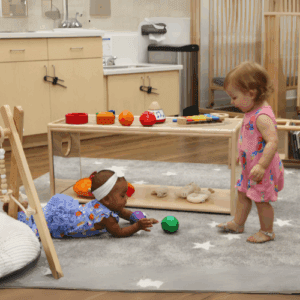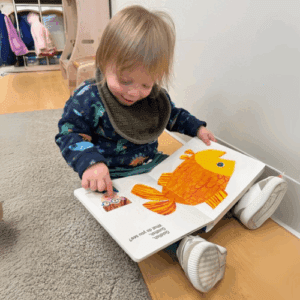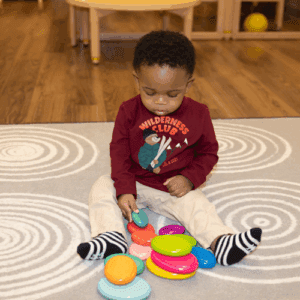
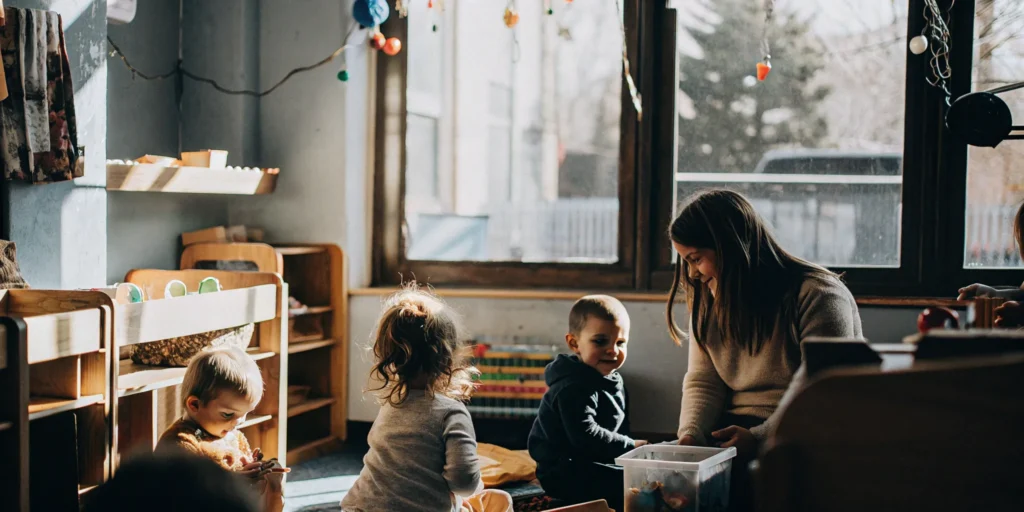
You know the best learning happens when your child has space to just be—to follow their curiosity without a ticking clock. A rushed schedule can stifle that natural wonder. When weighing full day vs half day preschool, this is where the true benefit of preschool comes to life. A full-day program gives your child the gift of time. Teachers can guide deeper, project-based learning that follows your child’s lead. There’s ample room for both structured lessons and the imaginative play so crucial for development. It’s an unhurried environment where kids build confidence, creativity, and strong social skills.
Key Takeaways
- More time allows for deeper growth: A full-day schedule provides the unhurried pace needed for children to truly explore their interests, build stronger social-emotional skills, and establish a comfortable routine that prepares them for kindergarten.
- Prioritize the program’s core elements: When choosing a school, focus on what truly matters: a child-centered learning philosophy, warm and qualified educators, a safe and nurturing environment, and a commitment to open communication with parents.
- Align the program with your family’s logistics: A full-day schedule offers a practical solution for working parents, and many schools provide resources to help manage the cost. Always ask about payment plans, sibling discounts, and potential financial assistance.
What Does a Full-Day Preschool Program Involve?
When you hear “preschool,” you might picture a program that runs for just a few hours in the morning. A full-day preschool program, however, is structured to more closely mirror a typical school day, usually lasting around six to eight hours. This extended time isn’t just about providing longer care; it’s about creating a richer, more immersive learning environment where children have the space to truly explore, play, and grow at their own pace.
Instead of rushing through activities, a full-day schedule allows for a more relaxed rhythm. It gives children the chance to dive deeper into projects, build stronger friendships, and develop a comfortable routine. This comprehensive approach supports working families and provides a consistent, nurturing space for children throughout the day. At Strong Start, our preschool classrooms are designed to make the most of this extended time, blending structured learning with child-led discovery.
What Does a Typical Day Look Like?
So, what does a full day actually look like? While every day is unique, it follows a predictable and comforting rhythm. A typical schedule includes a warm welcome in the morning, followed by a mix of engaging learning activities, circle time, and free play. After a nutritious lunch, there’s a designated rest or nap time to help little ones recharge. The afternoon is often filled with more hands-on projects, outdoor play, and special enrichment programs. This balanced structure supports the whole child, ensuring they have plenty of time for learning, socializing, resting, and just being a kid.
What Ages Can Attend?
The term “full-day preschool” often covers a broader range of ages than you might think. While it certainly includes three- and four-year-olds preparing for kindergarten, high-quality early learning centers provide full-day programs for younger children, too. At Strong Start, we welcome children from six weeks old and up, with dedicated programs for every stage of early development. Our infant, toddler, and bridge classrooms all offer a full-day experience tailored to the unique needs of each age group, providing a seamless path of growth in a consistent and caring environment.
Full-Day vs. Half-Day Preschool: Which is Right for You?
The most significant difference between full-day and half-day programs is the gift of time. With more hours in the day, teachers can facilitate deeper learning experiences and give children the freedom to fully engage with their interests. Research suggests that children in full-day programs are often better prepared for the social and academic transition to elementary school. The extended schedule allows for a more comprehensive curriculum, more opportunities for social interaction, and a stronger sense of community within the classroom. It gives your child the time to truly settle in and make the classroom their own.
What are the Benefits of Full-Day Preschool?
Choosing a preschool program is one of the first big educational decisions you’ll make for your child, and it’s natural to wonder what schedule is best. While half-day programs have their place, a full-day schedule offers a unique and immersive environment where children can truly settle in, explore, and grow. It provides a consistent and predictable routine that helps little ones feel secure, giving them the confidence to build relationships and dive deep into their interests.
With more time in the day, teachers can create a richer, more relaxed learning experience that doesn’t feel rushed. There’s ample room for both structured activities and the spontaneous, child-led discovery that is so crucial for development. This extended time allows for a balanced rhythm of active play, quiet reflection, group projects, and individual exploration. For many families, the benefits extend beyond the classroom. A full-day program provides a reliable care solution that aligns with a typical workday, simplifying logistics and giving you peace of mind. It’s a choice that supports not just your child’s growth, but your family’s overall well-being, too.
How Preschool Helps Your Child Grow
A full-day preschool program gives your child the gift of time—time to absorb new ideas, practice skills, and build confidence at their own pace. Studies show that children in full-day programs are often more prepared for the transition to elementary school. With more hours in the classroom, our exceptional educators can guide children through concepts more deeply, reinforcing learning through repetition and play. This consistent exposure helps solidify foundational skills in literacy, math, and critical thinking, ensuring your child has a solid base for future learning. It’s not about pushing academics, but about creating a rich environment where developmental milestones are naturally and joyfully met.
More Time for What Matters: Learning and Play
A longer day opens up a world of possibilities for a more varied and dynamic curriculum. Instead of rushing through activities, teachers have the flexibility to weave together different experiences that cater to the whole child. This “broader canvas” allows for deeper engagement with our Project Approach, where children’s interests guide the learning. The daily schedule can comfortably include everything from collaborative STEM projects and creative arts to outdoor exploration and cozy story times. A full day means there’s plenty of time for both structured lessons and the unstructured play that is so essential for creativity, problem-solving, and pure childhood fun.
Nurturing Social and Emotional Growth
The classroom is one of the first places children learn to be part of a community, and a full-day program provides an ideal setting for this growth. With more time to interact, children have more opportunities to practice sharing, taking turns, and working together. They learn how to communicate their feelings, listen to others, and resolve disagreements with gentle guidance from their teachers. These daily interactions are the building blocks of empathy, friendship, and emotional intelligence. A full-day schedule allows these relationships to blossom naturally, helping children build the strong social and emotional skills they’ll carry with them long after they leave our preschool classrooms.
Developing Fine and Gross Motor Skills
A full-day schedule provides the perfect playground for physical development, giving children plenty of time to strengthen both their fine and gross motor skills. Gross motor skills, the big movements like running, jumping, and climbing, are honed during outdoor play and structured activities. Fine motor skills, the smaller, more precise movements, are developed through things like drawing, painting, and building with blocks. With a longer, unhurried day, there’s more opportunity to practice holding a crayon, threading beads, or carefully stacking a tower. This extended time allows our educators to introduce a wide variety of activities, from our Fit Kids program to hands-on art projects, ensuring children can practice these skills and build physical confidence at their own pace.
Preparing for Kindergarten Success
One of the most practical benefits of a full-day program is how well it prepares children for the structure of kindergarten. The rhythm of a longer day—including lunch, rest time, and multiple learning blocks—mirrors what they will experience in elementary school. This helps build the stamina and focus needed for a full day of learning, making the transition feel familiar and less intimidating. By the time they’re ready for kindergarten, they are already comfortable with a full-day routine. This allows them to focus on making new friends and embracing new academic challenges with confidence.
Impact on Later Schooling and Beyond
The foundation your child builds in preschool supports them long after they’ve mastered their ABCs. Research shows that children who attend high-quality preschool programs are not just better prepared for kindergarten, but for their entire academic career. They are more likely to succeed in school, take on advanced classes, and graduate on time. This early experience fosters a love of learning and develops the social skills needed to work well with teachers and peers. It sets a positive tone for their educational journey, helping them see school as a place where they can thrive, ask questions, and confidently take on new challenges.
Long-Term Benefits into Adulthood
It might be hard to imagine now, but the positive effects of a great preschool experience can last a lifetime. Studies have found that adults who attended quality preschool programs are more likely to be involved in their communities and even have better long-term health outcomes. This early investment in education helps children develop a strong sense of self and social responsibility that they carry with them for years to come. For some children, especially those from lower-income families, preschool can be a powerful force for leveling the playing field and opening doors to future opportunities. Choosing a high-quality program is truly an investment in your child’s entire future, shaping them into capable, confident, and engaged adults.
A Consistent Routine for Kids and Parents
For many working parents, a full-day preschool program is a game-changer. It provides a single, reliable, and enriching environment for your child that aligns with standard work hours. This eliminates the stress of coordinating midday pickups or arranging separate after-school care, simplifying your family’s daily logistics. Knowing your child is safe, happy, and engaged in a high-quality learning environment all day provides invaluable peace of mind. This consistency benefits everyone, creating a more predictable and harmonious routine for both you and your child. Our commitment to partnering with parents means we understand the needs of modern families and strive to provide a schedule that supports you.
What to Look for in a Full-Day Preschool
Once you’ve decided that a full-day program is the right fit for your family, the next step is finding one that feels like a second home for your child. It’s about more than just a convenient location and schedule; it’s about finding a place where your child will be seen, supported, and inspired to grow. A high-quality program is built on a few key pillars: a thoughtful approach to learning, dedicated and caring teachers, a safe and nurturing environment, and a genuine partnership with parents. These elements work together to create an experience that doesn’t just prepare your child for kindergarten, but for life.
As you begin your search, think of yourself as an investigator. Your mission is to find a school that aligns with your family’s values and will help your child build a strong foundation for a lifetime of learning. Pay attention to the details during your tours—from the way teachers interact with children to the types of materials available in the classroom. Asking the right questions and knowing what to look for will help you feel confident in your final decision. Below, we’ll walk through the essential elements that make up an exceptional full-day preschool program, so you know exactly what to focus on.
Does Their Teaching Style Fit Your Child?
A great full-day program is guided by a clear educational philosophy. With more time in the day, teachers can move beyond a rigid, purely academic schedule and create a richer, more holistic learning experience. Look for a program that values curiosity and allows children to explore their interests. A child-led curriculum, like one using The Project Approach, gives children the space to ask big questions and discover answers through hands-on investigation. This approach turns learning into an exciting adventure rather than a checklist of skills to master, building confidence and a genuine love for discovery.
The Importance of Play-Based Learning
It’s easy to think of play as just a break from “real” learning, but in a high-quality preschool, play *is* the learning. This approach, known as play-based learning, recognizes that children are natural explorers who make sense of their world through hands-on discovery. When they build a tower, they’re not just stacking blocks; they’re experimenting with physics and problem-solving. When they engage in pretend play, they’re developing complex social skills, practicing communication, and building empathy. A full-day schedule provides the unhurried time needed for this deep, meaningful play to unfold. It allows children to fully immerse themselves in their interests, a core tenet of our Reggio Emilia-inspired philosophy, where play is respected as the serious and joyful work of childhood.
Why Teacher-to-Child Ratios Matter
The heart of any early childhood program is its teachers. Warm, experienced, and passionate educators create a classroom atmosphere where children feel safe to be themselves, take risks, and learn from their mistakes. When you tour a school, observe how the teachers speak to the children. Do they get down on their level? Do they listen with genuine interest? Low student-to-teacher ratios are also critical, as they allow for the one-on-one attention that helps children feel secure and understood. These positive relationships are what help children become more prepared for elementary school and beyond. At Strong Start, we are proud of our team of exceptional educators.
The Role of Qualified and Supported Educators
The most beautifully designed classroom means little without a skilled and caring teacher to bring it to life. In a full-day program, the quality of the educators is even more critical, as they become a central figure in your child’s daily life. The best preschools understand this and invest in their team through continuous professional development and a supportive work environment. This commitment ensures teachers are not only well-trained but also happy and dedicated, which translates into a stable, positive atmosphere for your child. When educators feel valued, they are better equipped to create the warm, consistent relationships that help children thrive.
A qualified educator does more than teach the ABCs; they act as a guide for your child’s curiosity. They create a classroom where children feel safe enough to ask questions, try new things, and make mistakes without fear. This sense of security is the foundation for all learning. In effective preschool programs, you’ll find teachers facilitating discovery rather than dictating activities. They observe children’s interests and build learning experiences around them, fostering a genuine love for learning. This approach ensures the extended hours are filled with meaningful and joyful exploration.
How to Spot a Safe and Healthy Classroom
Before a child can learn, they must feel safe. A high-quality program prioritizes the well-being of its students above all else. This goes beyond basic safety measures. Look for clean, well-maintained facilities, secure entryways, and clear procedures for everything from allergies to emergencies. Ask about their illness policies and cleaning protocols. A school’s commitment to providing a safe and healthy environment is a direct reflection of its commitment to your child. This foundation of safety and trust gives you peace of mind and gives your child the confidence to explore, play, and learn freely.
Look for Classrooms That Encourage Curiosity
A child’s environment is often called “the third teacher,” and for good reason. An inspiring classroom is thoughtfully designed to spark curiosity and encourage exploration. It’s more than just colorful walls; it’s about having a variety of engaging, open-ended materials, cozy nooks for quiet reading, and ample space for creative play and group projects. Because full-day programs have a more relaxed pace, children have more time to fully immerse themselves in these activities. Take a look at our preschool classrooms to see how a well-designed space can support deep, meaningful learning and play.
How the School Communicates with Families
You are your child’s first and most important teacher, and a great school will honor that. Look for a program that views you as a partner in your child’s education. This means clear, consistent, and open communication, from daily updates to regular parent-teacher conferences. Does the school welcome parent questions and feedback? Are there opportunities to get involved in the school community? A strong home-school connection ensures your child receives consistent support, and it helps you feel connected to their daily experiences. This commitment to partnering with parents is essential for building a community of trust around your child.
How Much Does Full-Day Preschool Cost?
Thinking about the cost of preschool is a big, important step for every family. It’s an investment in your child’s future, and it’s completely normal to want to understand exactly what that investment looks like. The price of a full-day program reflects the comprehensive care, expert guidance, and rich learning environment your child will experience every day. It covers everything from the salaries of our wonderful teachers and the healthy meals we provide to the high-quality learning materials that fill our classrooms. We know that tuition is a significant consideration, and we believe in being transparent about what goes into that cost and what support is available. While the number can seem daunting at first, there are many resources designed to make high-quality early education more accessible. From financial assistance programs and tax credits to employer benefits and flexible payment options, there are paths to help manage the expense. Our goal is to help you feel confident and informed as you make this decision for your child. Let’s walk through the different components of tuition and the support systems available to your family, so you can see the full picture and find the best path forward.
Understanding National Averages and Enrollment Trends
It’s helpful to know that you’re not alone in considering preschool; in fact, it’s becoming the norm for many families. National trends show a growing recognition of the importance of early education. For example, one report found that 68 out of 100 four-year-olds and 40 out of 100 three-year-olds were enrolled in a preschool program. This shift is backed by research showing that high-quality preschool can close learning gaps and even improve long-term health. While access to these programs isn’t yet universal for every family, the data clearly shows that investing in early learning provides a powerful start for children from all backgrounds, setting them up for success in kindergarten and beyond.
What Goes Into the Cost of Tuition?
When you look at the tuition for a full-day program, you’re seeing the cost of a full day of learning, care, and growth. Unlike shorter programs, full-day preschool offers an extended period for children to explore, build relationships, and settle into a comfortable routine. The cost covers a team of exceptional educators who are trained in early childhood development, ensuring low teacher-to-child ratios that allow for personalized attention. It also includes nutritious meals and snacks, a wide variety of learning materials, and the upkeep of a safe, clean, and inspiring environment. Full-day programs are naturally more of an investment than half-day options because they provide more extensive services and support for working families.
How to Find Financial Assistance
You don’t have to figure out the cost of child care alone. There are wonderful programs designed to help families access high-quality preschool. Many states receive federal funding to provide child care financial assistance to families with low incomes, helping parents work or attend school while their children learn and grow in a nurturing environment. We encourage you to research your state’s specific programs, often managed through a department of social or human services. Our school administrators are also here to help you understand what options might be available and guide you toward the right resources for your family.
Don’t Forget Tax Credits and Employer Benefits
Beyond state assistance, many families can find financial relief through tax credits and employer-sponsored benefits. The Child and Dependent Care Credit, for example, is a federal tax credit that can help offset the cost of child care. It’s a good idea to speak with a tax professional to see how this might apply to your situation. Additionally, check with your employer’s human resources department. Many companies offer a Dependent Care Flexible Spending Account (FSA), which allows you to set aside pre-tax dollars for child care expenses. Some employers also have partnerships with local schools or offer their own tuition benefit programs.
Ask About Flexible Payment Plans
We understand that every family’s budget is different, which is why many schools offer options to make tuition more manageable. Always ask about flexible payment schedules that allow you to spread payments out over time. It’s also common for schools to offer a tuition discount to families who enroll siblings, making it a little easier for your children to grow and learn together. Some programs may even have special rates for employees of certain local companies or organizations. Don’t hesitate to ask about these possibilities during your school tour; we’re here to work with you to find a solution that fits your family’s needs.
Considering the Alternatives: Is Preschool Right for Every Family?
The decision to enroll your child in preschool is deeply personal, and it’s one that comes with a lot of questions. While the benefits of early education are well-documented, it’s fair to ask if it’s the right path for every single child and family. The truth is, a nurturing and stimulating environment is the most important ingredient for a child’s growth, and that can look different for everyone. For some, a structured at-home learning plan can be a wonderful experience. For others, the community, resources, and expert guidance of a formal preschool program provide the ideal foundation for development.
Ultimately, the goal is to find the setting where your child will feel secure, engaged, and inspired to explore the world around them. A high-quality preschool is designed to be that place, offering a unique blend of social interaction, guided learning, and creative play that can be challenging to replicate at home. It’s about finding the best fit for your child’s personality and your family’s circumstances. Let’s explore what makes at-home learning work and who stands to gain the most from a structured preschool environment, so you can make a choice that feels right for you.
When At-Home Learning Can Thrive
There’s no question that a child can flourish at home with a dedicated and engaged parent or caregiver. Successful at-home learning is built on a foundation of routine, rich experiences, and plenty of opportunities for social interaction. It involves creating a rhythm to the day, curating learning activities, and actively seeking out playdates, library story times, and community classes to ensure your child is building social skills. When done thoughtfully, it can be a beautiful way to guide your child’s early years. However, it requires a significant commitment of time, energy, and resources to create a consistently stimulating environment that meets all of a young child’s developmental needs.
While at-home learning can be effective, research shows that formal preschool programs are particularly powerful for helping children build foundational skills. High-quality preschool for 3- and 4-year-olds can close learning gaps and set the stage for future academic success. A structured program provides access to a curriculum designed by early childhood experts, a wide range of learning materials, and the daily peer interaction that is so crucial for social and emotional growth. It offers a dedicated space where learning is the central focus, free from the distractions of a busy home.
Who Benefits Most from a Preschool Environment?
While nearly every child can benefit from a high-quality preschool experience, studies show that the positive effects are especially significant for certain children. The structured learning and social environment can be a powerful force for good, with benefits that extend far into the future. Children who attend good preschools are often more likely to graduate high school, attend college, and succeed in their careers. The experience helps build a strong foundation of confidence, curiosity, and social competence that serves them for a lifetime, making them less likely to need special education services later on.
The biggest advantages are often seen in children from lower-income families or those who may have fewer learning activities available at home. A high-quality program provides equitable access to resources, expert educators, and a rich curriculum that ensures every child has the opportunity to reach their full potential. This is why choosing a program with proven standards of excellence is so important. An early learning center with NAEYC accreditation, for example, has demonstrated its commitment to the highest standards of education, health, and safety, ensuring it provides an environment where all children can build a strong start in life.
What Makes the Strong Start Program Different?
Choosing a preschool is a big decision, and we know you’re looking for a place that feels like a second home. At Strong Start, we’ve built our program around what matters most: your child’s happiness, growth, and well-being. Our full-day schedule gives us the time and space to go beyond the basics and create a truly enriching experience. We combine a proven educational philosophy with a deep commitment to creating a warm, supportive community for every family. From our passionate teachers to our thoughtfully designed classrooms, every detail is chosen to help your child thrive. Here’s a closer look at what makes our approach unique.
Learning That Follows Your Child’s Lead
We believe that children are naturally curious and capable. Instead of a rigid, one-size-fits-all curriculum, our classrooms are guided by your child’s interests. A full-day program gives us the gift of time, allowing us to explore topics in depth through The Project Approach. If a child is fascinated by bugs, we might spend weeks creating an insect museum, reading stories about spiders, and observing ants in the garden. This child-led method makes learning meaningful and exciting, turning curiosity into confidence. It allows our teachers to create a broad canvas for developmental growth, integrating different learning experiences that truly resonate with each child.
What NAEYC Accreditation Means for Your Child
When you see that a program is NAEYC-accredited, it’s a sign of excellence. This accreditation is a rigorous process that ensures we meet the highest standards in early childhood education, from our curriculum to our safety protocols. A key part of this is our team of exceptional educators. In a full-day program, your child gets more time to interact with these skilled, caring professionals. This extended time for learning and connection helps children build a strong foundation for elementary school, ensuring they are more than ready for the next step in their educational journey.
Beyond the Basics: Our Enrichment Programs
A longer day doesn’t mean a more rushed or stressful schedule. In fact, it’s just the opposite. Our full-day program allows for a more relaxed pace, with plenty of time for play, rest, and creative exploration. This balanced approach supports the whole child—socially, emotionally, and cognitively. We weave specialized enrichment programs like Fit Kids, Budding Bakers & Little Cooks, and STEM Learning directly into the day. These activities give children new ways to express themselves, collaborate with friends, and discover new passions, all within the familiar and supportive environment of their classroom.
Putting Your Family’s Health and Safety First
Nothing is more important than your child’s well-being. Our commitment to health and safety is at the core of everything we do, from our secure facilities to our meticulous cleaning procedures. But our commitment extends beyond the classroom walls—it includes you. We believe in partnering with parents to create a consistent and supportive experience for your child. We offer open communication, family events, and resources to support you on your parenting journey. We understand that high-quality care is an investment, and we are dedicated to helping families find the resources they need to make it possible.
What Will Your Child’s Day Be Like?
It’s one thing to read about the benefits of a full-day program, but it’s another to picture what your child will actually be doing all day. A full-day schedule isn’t just a longer version of a half-day one; it’s a completely different rhythm that allows for deeper learning, stronger friendships, and a more relaxed pace. With more time, children can truly immerse themselves in activities and follow their curiosity without feeling rushed. This extended day provides a consistent and nurturing routine that helps little ones feel secure and ready to explore. Let’s take a look at what a day in a full-day preschool program really looks like.
From Circle Time to Outdoor Play
A full-day program offers a broader canvas for developmental growth. With more hours available, teachers can integrate a variety of activities that promote learning and exploration without rushing from one thing to the next. The day is built around a predictable rhythm that includes a blend of energetic play, quiet time, group activities, and individual discovery. You’ll see children engaged in circle time, hands-on projects, outdoor adventures, and shared meals. This structure provides security, while the unhurried pace gives children the freedom to dive deep into what interests them, whether it’s building an elaborate block tower or spending extra time at the art easel. You can see an example of how we balance learning and fun throughout your child’s day.
How We Track and Support Your Child’s Progress
That extra time in the classroom adds up to a big impact on learning. Research shows that students who participate in full-day preschool programs are, on average, more prepared for elementary school than students in half-day programs. The longer day allows educators to move beyond the basics and guide children through more in-depth projects and investigations. This is where foundational skills in literacy, math, and science really take root. Instead of just learning letters, they might write and illustrate their own storybook over several days. This sustained engagement helps children develop critical thinking, problem-solving abilities, and a genuine love for learning that will set them up for success in kindergarten and beyond.
Helping Little Ones Build Big Friendships
Full-day preschool programs are often more relaxed than half-day programs, and that’s a huge plus for social growth. With a less hurried schedule, there is more time for the social interactions and emotional development that are so crucial at this age. Children have more opportunities during free play, group meals, and outdoor time to practice sharing, taking turns, and working through disagreements with gentle guidance from their teachers. These moments are where they learn empathy, communication, and how to be a good friend. The consistent, daylong interaction with peers in a supportive environment helps children build the confidence and emotional intelligence they need to form strong, positive relationships.
How We Keep You in the Loop
A full-day schedule allows for more consistent and meaningful interactions with teachers throughout the day. The relationship between your family and your child’s teacher is one of the most important parts of their early education experience. The unhurried pace of drop-offs and pick-ups in a full-day program creates more natural opportunities for you to connect with the teacher, share updates about your child, and hear about their daily triumphs. This consistent communication builds a strong foundation of trust and collaboration. It ensures that we are truly partnering with parents to support your child’s growth, both at school and at home.
How to Know if It’s the Right Preschool for You
Choosing a preschool is a significant decision, and it’s completely normal to want to get it right. Once you’ve weighed the benefits of a full-day program, the next step is finding the one that feels like a second home for your child. A school tour is your best opportunity to see a program in action and get a feel for the environment. To make the most of your visit, it helps to go in with a plan.
Key Questions to Ask on Your Tour
When you tour a potential preschool, you’re gathering information to see if the school’s values align with your family’s. Don’t be shy about asking questions—the answers will help you make a confident choice. Consider asking about the school’s learning philosophy, how teachers support different developmental needs, and what their educator qualifications are. It’s also helpful to ask about daily routines and how the school communicates with parents. A great program will be happy to share details about its approach and how it creates a supportive learning environment for every child.
Red Flags to Watch for on Your Tour
Beyond the answers you receive, pay close attention to the environment itself. Look for a space that is clean, secure, and filled with engaging, age-appropriate materials. Watch how the teachers interact with the children. Do they seem warm, patient, and genuinely interested in what the kids are doing and saying? Are the children happy, busy, and comfortable? The overall atmosphere of a classroom can tell you so much. You want to see a place where children are encouraged to explore, create, and learn at their own pace, all within a setting that prioritizes their health and safety.
How to Trust Your Instincts When Choosing a School
After your tours, you’ll have a lot of information to process. You can compare notes on curriculum, teacher-to-child ratios, and classroom spaces, but one of the most important factors is your own intuition. Which school felt right? Where can you most clearly picture your child laughing, learning, and making friends? The goal is to find a program that will give your child a positive and joyful start to their education. Ultimately, choosing a school is about finding a community where your family feels seen, heard, and supported through a genuine partnership with parents.
Related Articles
- The Benefits Of A Pre-k Education
- The Benefits Of Early Childhood Education Reach Beyond Your Child
- preschool & day care center – Strong Start Early Care and Education
Frequently Asked Questions
Will my child be overwhelmed or too tired from a full day at school? This is a completely valid concern, and it’s one we think about a lot. A high-quality full-day program is designed with a child’s natural energy levels in mind. The day has a predictable rhythm that balances active, engaging projects with quiet time and a dedicated rest period. Instead of being a constant sprint, the pace is unhurried, giving children the chance to recharge. This helps them build stamina for a longer day gradually, in a supportive and nurturing environment.
Is a full-day program just a longer version of daycare? Not at all. While our program provides the reliable, full-day care that working families need, its core purpose is education. Every part of the day, from morning circle time to afternoon projects, is part of an intentional learning experience guided by trained educators. We use a curriculum that is built around your child’s interests, so they are actively engaged in learning and discovery all day long, not just passing the time.
How does a full-day schedule specifically help with the transition to kindergarten? A full-day program is excellent preparation for the structure of elementary school. Children become comfortable with a longer day, which helps them build the focus and stamina needed for kindergarten. They get used to routines like eating lunch with peers, participating in multiple learning blocks, and navigating a full day away from home. This familiarity makes the transition feel much less intimidating, allowing them to focus on making new friends and embracing new challenges with confidence.
What if my child has a hard time separating or adjusting to a longer day? A gentle start is key, and we see ourselves as your partners in this process. Our experienced teachers are wonderful at helping children feel safe and secure. We work closely with you to create a transition plan that feels right for your child, and we maintain open communication every step of the way. The warm, consistent relationships children build with their teachers in a full-day setting are often what helps them feel comfortable and confident in their new environment.
Will my child still get enough time for free play and rest? Absolutely. In fact, a full-day schedule allows for more time for the unstructured, imaginative play that is so crucial for development. Because we aren’t rushing to fit everything into a few hours, there are ample opportunities for children to build, create, and explore at their own pace. A dedicated rest or nap time is also a non-negotiable part of our daily rhythm, ensuring every child has the chance to rest their body and mind.
Written By
Marc Hoffman
Founder, Strong Start Early Care & Education
Marc founded Strong Start in 2014, inspired by his studies at Williams College, Yeshiva University, and research at Yale University. His child-centered, inquiry-based approach to early education has helped hundreds of families in the Trumbull and Bridgeport communities. As a parent himself, Marc understands the importance of finding a nurturing environment where every child can learn, grow, and flourish.