

Of course, you want a daycare that is clean and safe—that’s the absolute baseline. But what separates a perfectly fine program from an exceptional one? The difference often lies in the details: the passion of the educators, a curriculum that sparks genuine joy and curiosity, and a culture that truly welcomes and involves parents. It’s about finding an environment that doesn’t just supervise children but actively helps them become confident, capable learners. This guide will help you look beyond the checklist basics to identify the markers of a truly high-quality program, ensuring you find a daycare center in Connecticut that aligns with your values and nurtures your child’s unique potential.
Finding the right daycare in Connecticut for your child can be overwhelming and exciting at the same time. For starters, you want to find a school where your child will learn, grow, and mature with others. Whether you opt for a childcare center, an in-home daycare, or a family daycare facility, it’s important to do your research before you send your little one off. At Strong Start Early Care & Education in Trumbull, we’re passionate about providing a welcoming and educational environment for your child. We offer infant programs, toddler programs, and preschool programs that are designed to spark your child’s curiosity and help develop milestones. As you begin your search for the best daycare in Connecticut, consider the tips below.
Understanding Daycare Regulations in Connecticut
Before you even start touring facilities, it’s helpful to get familiar with Connecticut’s daycare regulations. The state has specific rules in place to ensure every child care program is safe and supportive. These regulations cover everything from staff-to-child ratios to health and safety protocols. Knowing the basics will help you ask the right questions and spot a high-quality program when you see one. It’s not about becoming an expert overnight, but about empowering yourself to make the best choice for your family. A great daycare will always be transparent about its licensing and compliance, seeing it as a point of pride and a cornerstone of the trust you place in them.
Why Choosing a Licensed Daycare Matters
Opting for a licensed daycare is one of the most important decisions you can make. According to the Connecticut Office of Early Childhood, licensed programs are safer and offer a higher quality of care. Licensing isn’t just a piece of paper; it’s an ongoing commitment to meeting rigorous state standards for safety, cleanliness, and staff qualifications. This oversight provides a crucial safety net for families. At Strong Start, we not only meet these state requirements but also pursue higher standards through accreditations like NAEYC, which signifies a deep commitment to excellence in early childhood education. Choosing a licensed and accredited center gives you peace of mind, knowing your child is in an environment designed for their well-being and growth.
Using State Resources to Find Care
Connecticut offers some fantastic free resources to help parents in their search. You don’t have to rely solely on word-of-mouth or online searches. The state has created tools specifically to connect families with licensed, reputable child care options in their area. Taking advantage of these official resources can save you time and help you build a list of potential daycares that have already been vetted by the state. This is a great starting point before you begin scheduling tours and interviews, ensuring every option on your list meets foundational safety and quality standards.
The 2-1-1 Child Care Tool
One of the most valuable resources for Connecticut families is the 2-1-1 Child Care website. You can also find information by simply dialing 2-1-1 from your phone. This service is a comprehensive database of licensed child care programs across the state, including centers, camps, and family homes. You can search for options near your home or work and filter by your child’s age and specific needs. It’s a straightforward, reliable way to find programs that are in good standing with the state, giving you a solid foundation for your search.
Types of Licensed Child Care in Connecticut
In Connecticut, licensed child care generally falls into two main categories: centers and home-based programs. Each offers a different environment, and the best fit depends on your child’s personality and your family’s needs. Centers are typically larger with more structured classrooms, while family homes offer a smaller, more intimate setting. Understanding the key differences between these models will help you narrow down your search and focus on the type of environment where your child is most likely to thrive. There’s no single “best” type—it’s all about what works for you.
Child Care Centers
Child care centers are what many people picture when they think of daycare. These are larger programs, like Strong Start, that are licensed to care for 12 or more children in a commercial building. They are typically organized into different classrooms based on age, such as infant, toddler, and preschool groups. Centers often have more staff, a structured curriculum, and a wider range of resources and enrichment programs. This setting can be great for socialization and preparing children for a school environment.
Family and Group Child Care Homes
Family and group child care homes are smaller programs run out of a provider’s residence. A family child care home is licensed for up to six children, while a group home can care for up to nine. These programs offer a cozier, home-like atmosphere with mixed-age groups, which can feel like a large family. For some children, this smaller scale is comforting and allows for deep bonds with a single caregiver. It’s a different model from a center, but it can be a wonderful option for families seeking a more intimate setting.
How to Verify a Daycare’s Quality
Once you have a shortlist of licensed daycares, the next step is to look deeper into their quality. Licensing is the baseline, but true quality goes beyond that. You’ll want to look for signs of a program that is not just meeting standards but exceeding them. This involves looking at official reports and understanding the state’s quality rating systems. These tools are designed to give parents a clearer picture of a program’s performance and its commitment to continuous improvement, helping you see which centers truly stand out from the pack.
Checking Inspection Reports
Every licensed child care program in Connecticut is subject to regular inspections by the Office of Early Childhood (OEC). These inspection reports are public records, and you have every right to see them. When you tour a facility, simply ask to see their most recent report. A quality provider will have it readily available and will be happy to discuss it with you. The report will detail any violations and how they were corrected, giving you a transparent look at the program’s operational history and commitment to safety.
Understanding Connecticut’s ‘Elevate’ Rating System
To help parents identify high-quality programs, Connecticut uses a quality rating and improvement system called Elevate. Programs that participate in Elevate are going above and beyond the minimum licensing requirements. They are focused on areas like staff education, curriculum quality, and family engagement. When you’re researching daycares, look for those that display their Elevate level. This is a clear signal that a program is dedicated to providing the best possible care and education for the children they serve.
The Financial Side of Daycare in Connecticut
Let’s talk about the elephant in the room: the cost. Daycare is a significant investment for any family, and understanding the financial side is a critical part of the decision-making process. In Connecticut, costs can vary widely based on your child’s age, the type of program you choose, and your location. Getting a clear picture of the average costs, potential additional fees, and available financial assistance programs will help you budget effectively and find a solution that works for your family. Being prepared financially will make the entire process feel much more manageable and less stressful.
Average Cost of Care by Age
The cost of child care is typically highest for the youngest children because they require more hands-on attention and lower staff-to-child ratios. As children get older and more independent, the weekly tuition rates generally decrease. It’s important to remember that these figures are averages; tuition at a center with a specialized curriculum or in a high-cost-of-living area may be higher. When you request tuition information, make sure you’re getting the specific rate for your child’s age group to create an accurate budget for your family.
Infant and Toddler Care Costs
Infant care, for children from 6 weeks to 12 months, is the most expensive. In Connecticut, you can expect to pay anywhere from $275 to over $470 per week, with the average for a center hovering around $354 per week. Toddler care is slightly less but still represents a major household expense. These costs reflect the intensive, nurturing care required for this age group, including very small group sizes to ensure every baby and toddler gets the individual attention they need to thrive safely and happily.
Preschool Care Costs
For preschoolers aged 3 to 5, the weekly cost generally ranges from $200 to over $338. At this stage, the focus shifts more toward school readiness, with a structured curriculum designed to build social, emotional, and academic skills. While less expensive than infant care, quality preschool is still a significant investment. Programs like ours at Strong Start focus on providing a rich, play-based learning environment that prepares children for kindergarten and beyond, making it a valuable investment in their future success.
Budgeting for Additional Fees and Absences
When you’re calculating the cost of daycare, it’s important to look beyond the weekly tuition rate. Ask about any additional fees, such as registration fees, annual supply fees, or charges for special enrichment programs. Also, be sure to clarify the center’s policy on absences. Most daycares require you to pay for your child’s spot regardless of whether they attend, as their operational costs remain the same. This means you’ll need to budget for payment even during family vacations or when your child is home sick.
Financial Assistance Programs for Families
The cost of high-quality child care can be a challenge for many families, but there is help available. Connecticut offers several programs designed to make care more affordable, and there are also federal tax credits and employer benefits that can provide some relief. It’s worth taking the time to research these options, as they can make a significant difference in your family’s budget. Don’t assume you won’t qualify; the income thresholds for some programs are broader than you might think.
State and Federal Aid
The primary state program in Connecticut is Care 4 Kids, which helps low- to moderate-income families pay for child care. You can check their website to see if your family meets the eligibility requirements. On the federal level, many families can claim the Child and Dependent Care Tax Credit when they file their taxes. This credit can help offset a portion of your child care expenses, so be sure to discuss it with your tax preparer.
Employer Benefits and Tax Credits
Don’t forget to check with your employer’s human resources department. Some companies offer child care benefits, such as a Dependent Care Flexible Spending Account (FSA). An FSA allows you to set aside pre-tax dollars to pay for daycare, which can lower your overall taxable income. Some employers also have partnerships with specific child care centers to offer a tuition benefit or discount to their employees, so it’s always worth asking what might be available to you.
Recent Laws Shaping the Future of Connecticut Child Care
The child care landscape in Connecticut is currently undergoing some exciting and positive changes. Recent legislation has been passed with the goal of making high-quality care more affordable and accessible for families, while also supporting the dedicated professionals who work in early childhood education. These changes are designed to strengthen the entire system, from expanding the number of available spots to ensuring educators are compensated fairly. For parents, this means that finding and affording great care may become easier in the near future, which is welcome news for everyone.
Making Child Care More Affordable for Families
One of the most significant recent developments is a new law aimed at reducing the financial burden on families. Under this legislation, child care and Pre-K will become free for families enrolled in state-funded programs who earn up to $100,000 per year. This is a game-changer for many working families across Connecticut, removing a major financial barrier to accessing high-quality early education. It acknowledges that child care is not a luxury but a necessity for a thriving economy and healthy communities.
Expanding Access and Improving Facilities
Finding an open spot, especially for an infant or toddler, can be one of the biggest challenges for parents. The new legislation directly addresses this issue by investing in the creation of 16,000 new spots for infants, toddlers, and Pre-K children. This expansion will help meet the high demand for care and reduce waitlists. The state is also providing funding to help programs improve their facilities, ensuring that more children have access to safe, modern, and engaging learning environments where they can grow and explore.
Supporting Early Childhood Educators
A great daycare is defined by its teachers. The new laws recognize this by taking steps to support the early childhood workforce. One key provision aims to ensure that qualified child care workers are paid a salary comparable to public school teachers. This is crucial for attracting and retaining talented, passionate educators. At Strong Start, we’ve always believed in the importance of our exceptional educators, and we’re thrilled to see the state investing in the professionals who dedicate their careers to nurturing our youngest learners.
What to Look For When Choosing a Daycare Center
After you’ve handled the logistics of licensing, regulations, and cost, it’s time for the most important part: finding a place that feels right for your child and your family. This is about more than just checking boxes on a list; it’s about observing the environment, talking to the staff, and trusting your intuition. When you tour a center, pay attention to how the educators interact with the children and how the children seem to feel in the space. The best centers have a warm, joyful, and engaging atmosphere that you can feel as soon as you walk in the door.
Find A Childcare Center With A Solid Reputation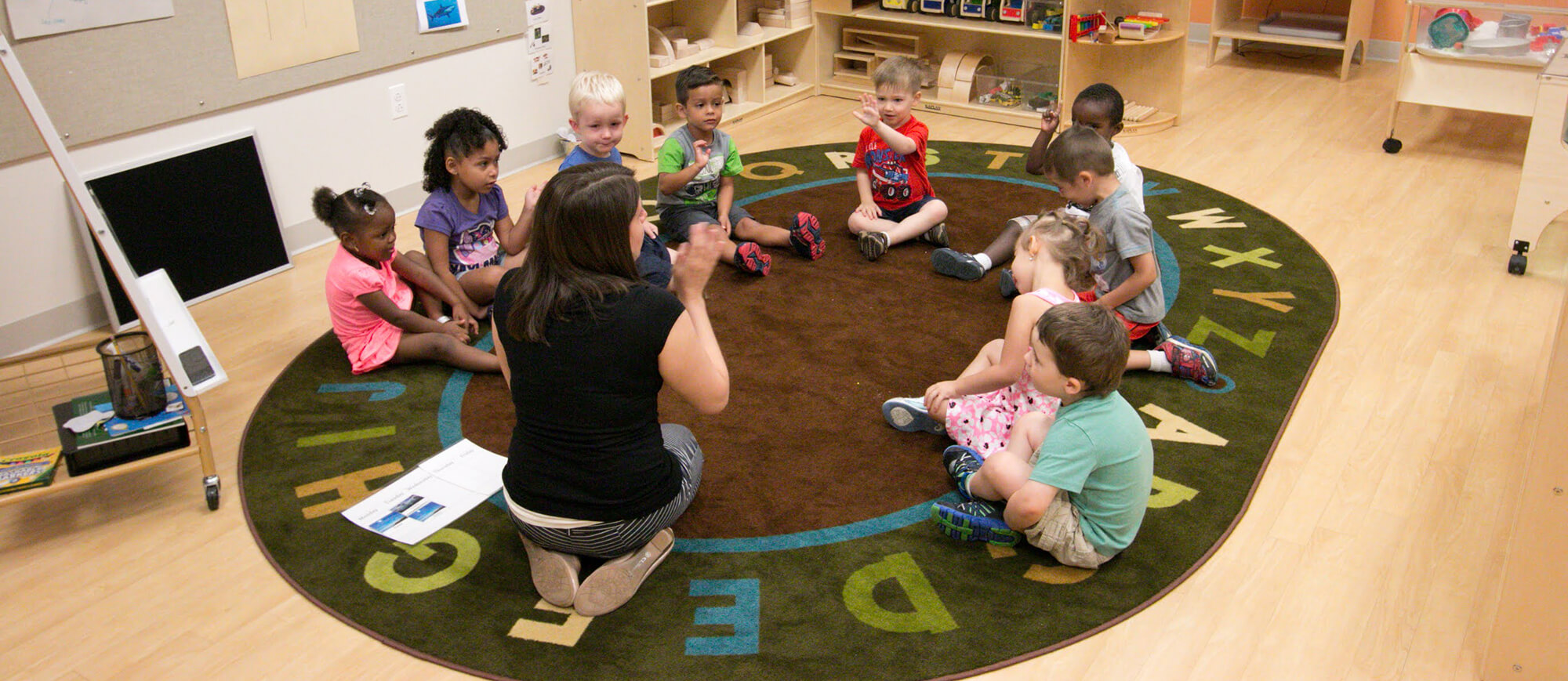
This one should be a no-brainer, but we had to add it to the top of the list just in case. A good daycare center will have a solid reputation for its welcoming and friendly atmosphere and nurturing environment. When you tour a daycare center near you, ask the staff if they are willing to give you the numbers or email addresses of current clients that you can call for references. You can also choose to stop by the facility some afternoon to chat with parents directly about their experience with the staff. Hopefully, you’ll be able to find parents that rave about the childcare center, giving you the confidence you need to enroll your child.
Look For Caregivers That Interact With Children
Before you settle on a daycare for your child, you’ll likely take a tour of a few facilities. While you’re visiting each potential educational center, make sure you pay close attention to how each staff member interacts with the kids. You’ll want to find a daycare center that has a staff that is fully involved with your child’s day-to-day activities. If you don’t see caregivers on the floor playing with other children in a loving and nurturing manner, you may want to look elsewhere. An ideal caregiver should always be warm and responsive, encouraging loving relationships among the children in the space.
Keep An Eye Out For Fun Curriculum
The best daycare centers in Connecticut have structured schedules of physical activity, quiet time, group programs, and individual activities. You should not walk into a daycare center to find children playing video games or watching early morning cartoons on the television. Make sure the daycare center you choose has age-appropriate curriculum for your child as well. You’ll want to find a place that offers activities that will stimulate your child’s development. At Strong Start Early Care & Education in Trumbull, our programs are structured to encourage safe, active, and fun physical exploration to help your child reach new milestones. Check out some photos of our beautiful learning center online.
Pay Attention To The Cleanliness Of The Daycare
A great daycare center will take sanitation and cleanliness seriously. Everything from the floors to the chalkboard to the walls should be clean, so children can play and interact with each other in a safe environment. Check that there are smoke detectors and fire alarms in place in the case of an emergency, and take a peek at any outdoor playgrounds the daycare offers. If the playground equipment looks like it hasn’t been updated since 1985, you may want to find a daycare that offers new, safer outdoor play spaces. If you live in Connecticut and you’re looking for a reputable daycare to bring your infant, toddler, or child to, look no further than Strong Start Early Care & Education. Our Trumbull childcare center is the perfect place for your little one to grow and thrive!
Frequently Asked Questions
Besides being licensed, what is the most important thing to look for during a tour? Pay close attention to the interactions between the educators and the children. Are the teachers on the floor, actively engaged and speaking with the children in a warm, respectful tone? A truly great program has a palpable energy of joy and curiosity. You want to see happy, busy children and caring adults who are genuinely connecting with them, not just supervising from a distance.
What’s the difference between a licensed daycare and an accredited one? Think of licensing as the mandatory foundation. The state of Connecticut requires all child care programs to meet specific health and safety standards to operate legally. Accreditation, on the other hand, is a voluntary and much more rigorous process. Programs that pursue accreditation, like through NAEYC, are choosing to be evaluated against the highest national standards for curriculum, teacher qualifications, and family partnerships, signaling a deep commitment to excellence.
How can I find out about a daycare’s safety record before I enroll? Every licensed program in Connecticut undergoes regular state inspections. When you tour a center, you can and should ask the director to see their most recent inspection report. A transparent, high-quality provider will have this information readily available and will be happy to discuss it with you. This report gives you a clear look at their compliance history.
Is a child care center always a better option than a home-based daycare? Neither one is inherently “better”; it’s all about finding the right fit for your child and family. A center typically offers a more structured, school-like environment with more resources and distinct classrooms for different age groups. A family or group home provides a smaller, mixed-age setting that can feel more intimate. Consider your child’s personality and the type of environment where you think they will feel most comfortable and confident.
The cost of care is a major concern. What’s the first step to see if I qualify for financial help? A great starting point is Connecticut’s Care 4 Kids program. You can visit their website or call 2-1-1 to get the most current information on income eligibility and the application process. It’s also a good idea to speak with your employer’s human resources department, as they can tell you about any available benefits like a Dependent Care FSA or corporate tuition discounts.
Key Takeaways
- Start with state-vetted options: Use Connecticut’s 2-1-1 Child Care tool to find licensed programs and then ask to see a center’s official inspection reports to get a clear picture of its safety and compliance history.
- Understand the total cost of care: When budgeting, look beyond the weekly tuition and ask about additional costs like registration fees, supply fees, and policies for sick days. Also, research financial aid like the Care 4 Kids program to see if you qualify.
- Observe the environment in action: During a tour, pay close attention to how educators interact with children. A high-quality center will have a warm atmosphere, engaged staff, and a curriculum that stimulates learning through play.
Related Articles
- Connecticut Daycare Guide: Choosing the Best for Your Child | Strong Start Early Care & Education
- How Much Is Daycare a Week in CT? A Parent’s Guide – Strong Start
Written By
Marc Hoffman
Founder, Strong Start Early Care & Education
Marc founded Strong Start in 2014, inspired by his studies at Williams College, Yeshiva University, and research at Yale University. His child-centered, inquiry-based approach to early education has helped hundreds of families in the Trumbull and Bridgeport communities. As a parent himself, Marc understands the importance of finding a nurturing environment where every child can learn, grow, and flourish.